The Long and Short of it
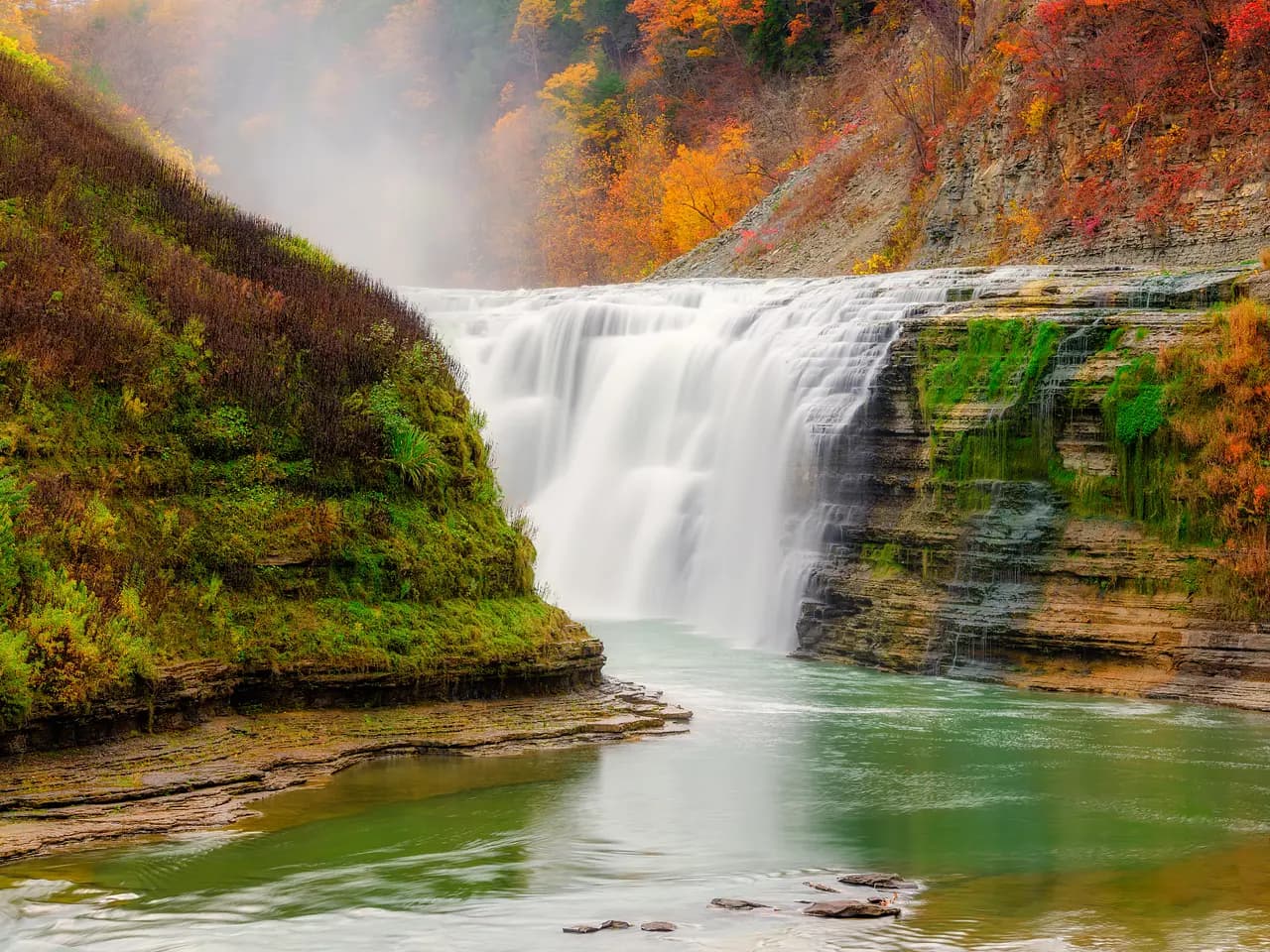
Conesus, Hemlock, Canadice, Honeoye, and Silver Lake sit west of Canandaigua. The strongest argument for this cluster is not wine but range: taprooms at Conesus Lake's north end in Lakeville, a state park at the south end with three major waterfalls on the Genesee River gorge, and two completely undeveloped Finger Lakes accessible only by paddle.
Heritage Sites
The western Finger Lakes region was the core of Seneca Nation territory for centuries. The Seneca, the westernmost nation of the Haudenosaunee Confederacy, called themselves the keepers of the western door of the confederacy's longhouse. Their principal towns occupied the valleys of the Genesee River and the lake shores. Conesus Lake takes its name from the Iroquoian word meaning "always beautiful." Hemlock Lake was known to the Seneca as O-Neh-Da, the name that still marks the winery on its western shore. Canadice derives from a Seneca word for "long lake."
The Sullivan-Clinton Campaign of 1779 destroyed the Seneca towns throughout this region. The campaign burned crops, orchards, and longhouses across forty villages, including the town at Conesus. The military objective was to eliminate the Haudenosaunee as a fighting force in the Revolution and clear the land for post-war settlement. It succeeded on both counts. By the 1790s, a wave of New England families had moved into the Genesee Valley. The Treaty of Big Tree of 1797, signed in Geneseo, transferred nearly four million acres of Seneca land to Robert Morris and the Holland Land Company, leaving the Seneca with a handful of small reservations. The treaty and the dispossession it codified set the conditions for everything that followed in Livingston and Wyoming counties.
The abolitionist tradition runs deep in this landscape. Seth Gates, Warsaw's congressional representative in the late 1830s and 1840s, was among the most vocal anti-slavery voices in the House of Representatives and co-authored an influential protest against the gag rule that suppressed antislavery petitions. The Pitts family of Honeoye were confirmed Underground Railroad conductors, and their house on West Main Street still carries a historical marker. Helen Pitts Douglass, born in Honeoye in 1838 to abolitionist parents, became the second wife of Frederick Douglass in 1884. She spent the last decade of her life working to preserve his Cedar Hill estate in Washington, D.C., which is now the Frederick Douglass National Historic Site. The Geneseo chapter of this story centers on the Wadsworth family, whose land management shaped the valley's development and whose 1804 homestead is the oldest continually owned private estate west of the Hudson River.
Outdoor
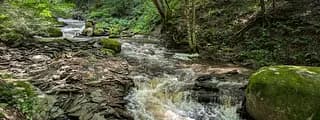
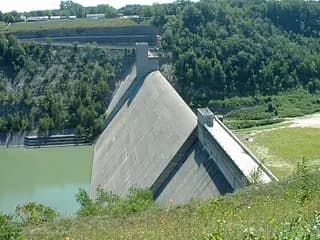
The western lakes are anchored by Letchworth State Park, where the Genesee River has cut a gorge up to 550 feet deep through 14,350 acres of plateau, producing three major waterfalls and 66 miles of trails. Go before 9 a.m. on summer weekends or come in October. The Mount Morris Dam, the largest concrete gravity dam east of the Mississippi, sits just north of the park and has a canyon-floor trail along the dry riverbed below. Stony Brook State Park in Dansville offers a quieter gorge alternative, with three waterfalls and a stream-fed swimming pool.
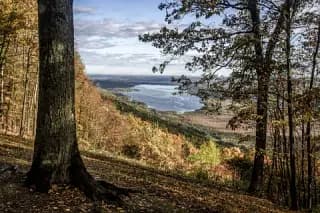
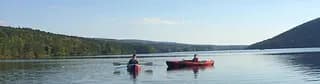
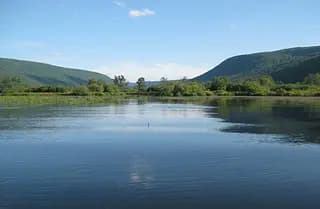
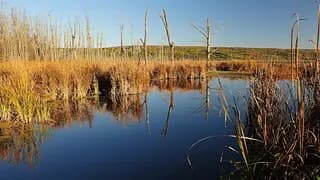
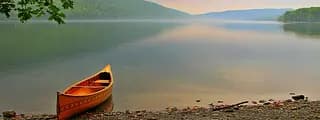
The smaller lakes each have their own outdoor character: Hemlock and Canadice are undeveloped Rochester water supply reservoirs, accessible only by paddle through Hemlock Canoe Works and Canadice Lake Outfitters, and offer the quietest water in the region. Honeoye has Harriet Hollister Spencer State Recreation Area on the ridge above the southern end, with 22 miles of multi-use trails and the best elevated lake view in the western chain, plus Sandy Bottom Park's free public beach at the north end and Wesley Hill Nature Preserve's 390 acres of old-growth forest above Briggs Gully. The Honeoye Inlet Wildlife Management Area and Conesus Inlet Wildlife Management Area round out the birding and paddling options at the southern ends of their respective lakes, each covering roughly 2,100 acres of freshwater marsh.
Craft Beverages
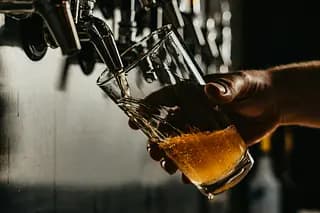
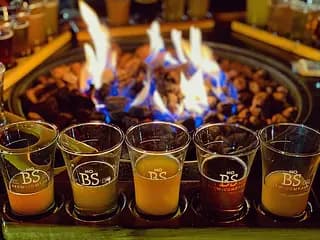
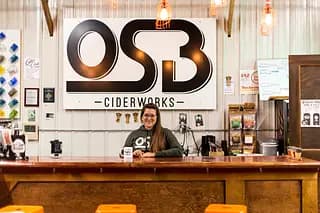
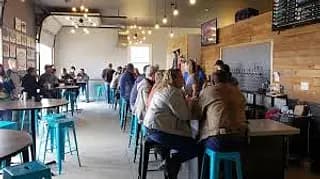
Livingston County's LivCo Libation Loop is the organizing trail for craft beverages across the county, formally designating twelve producers from Dansville in the south to Avon in the north. The trail spans a forty-mile north-south corridor, long for a single county, but every producer on it is worth the drive. The loop does not follow a single road: the sensible approach is to base in Lakeville or Geneseo and work outward. The north end of the trail, concentrated in Lakeville and Avon, is the most walkable. The southern producers, including Battle Street in Dansville and Deer Run on Conesus Lake, require more deliberate routing.
Beyond the Loop, the western lake country holds two significant wine producers. O-Neh-Da Vineyard on Hemlock Lake is the oldest sacramental winery in the New World, established in 1872 by Rochester's first Catholic bishop to produce sacramental wine for local churches. The winery still operates on the same hillside above the western shore, producing small-batch table wines from Finger Lakes grapes. Deer Run Winery on Conesus Lake's west shore is a family farm winery that has been making approachable, award-winning wines since 2003 and serves Sunday brunch on a patio overlooking the vineyard and the lake.
Farms
Wyoming County is the largest dairy-producing county in New York State, and that fact shapes the agricultural character of the western lakes more than any other single factor. The hills around Silver Lake and south of Warsaw are working dairy country. What you see from the road is what feeds the local economy. For visitors, the farm-facing operations are small in number but excellent in quality.
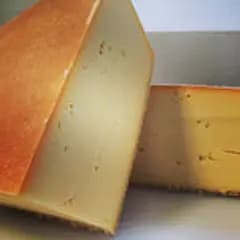
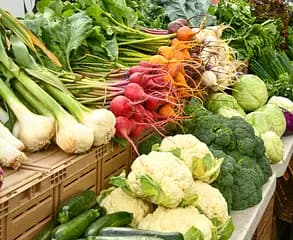
East Hill Creamery in Perry produces French Alpine-style cheese from the milk of their own herd. The operation is small and the output is sold locally and through the farm. It is among the few raw-milk cheese producers in the region producing at an artisanal scale in the French tradition. The Perry Farmers' Market on South Main Street runs Saturday mornings from mid-June through September and is the most direct route to Wyoming County's agricultural output: local produce, baked goods, honey, and seasonal farm products from producers throughout the county.
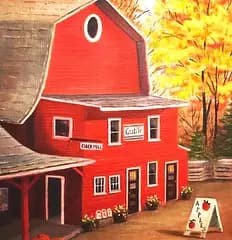
The Castile Cider Mill near the south entrance to Letchworth has been pressing fresh apple cider on-site since 1945. The operation runs from September through November. The cider doughnuts are made fresh each morning, and the tasting room also carries jams, honey, maple syrup, local cheeses, and seasonal produce. It operates as a sister business to Three Falls Cidery, which produces hard cider in the same building. Cash and check only.
In Livingston County, Monks' Bread at Piffard is the retail outlet for the Abbey of the Genesee, a Trappist monastery on the Genesee River that has operated a commercial bakery since 1953. The monks bake in volume for regional grocery distribution, but the abbey shop sells fresh loaves, biscotti, jams, and monastery goods not available elsewhere. The grounds are open to visitors and the Genesee River setting is worth the short detour. The shop runs Tuesday through Saturday, 10 a.m. to 4 p.m.
Western Lakes Deep Dive
The western minor lakes were part of the Seneca Nation's western territory, a landscape of villages, cornfields, and orchards organized along the ridge roads between the lakes. The Sullivan-Clinton Campaign of 1779, ordered by General Washington to neutralize the Haudenosaunee alliance with the British, destroyed the villages and cleared the land for European settlement. The campaign succeeded militarily but did not expel the Seneca permanently; the Cattaraugus and Allegany Reservations to the southwest remain Seneca territory today.
The region's 19th-century economy was organized around grain, timber, and the Genesee Valley Canal, which ran from Rochester through Mount Morris and south to Olean between 1840 and 1878. Warsaw and Geneseo grew as market towns serving the canal's agricultural corridor. The canal was abandoned when the railroads made it uneconomical. William Pryor Letchworth, a businessman from Buffalo who had made his money in the saddlery trade, began purchasing the Genesee River gorge in 1859 and spent forty years restoring the land before donating it to the state in 1906 as a public park.
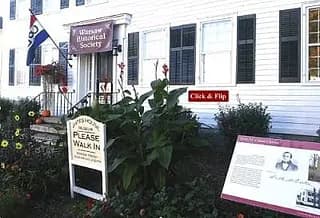
The Seth Gates House in Warsaw represents a more contested history. Seth M. Gates, a Whig congressman from Wyoming County, was one of only a handful of congressmen to sign the 1842 anti-gag rule petition against banning abolitionist petitions in the House. His home was a documented stop on the Underground Railroad. The house has operated as the Wyoming County Historical Society since the 1960s.
Planning Your Trip
The eastern lakes require a car. Public transit does not serve the region, and the distances between sites make walking or cycling impractical as a primary strategy.
The nearest airports are Greater Rochester International Airport (43 miles from Lakeville via I-390 S) and Buffalo Niagara International Airport (55 miles from Letchworth via I-90 E). From New York City, take the New York State Thruway (I-87) north to I-90 west, then I-390 north; the drive to Lakeville is approximately 6 hours.
The main lake road on Conesus Lake is Big Tree Road (CR-36) on the east side, which runs the full length of the lake and carries the Lakeville taproom cluster at the north end. West Lake Road (NY-256) is the quieter western shore. Route 20A is the primary east-west connector across Wyoming and Ontario counties, linking Warsaw, Perry, Honeoye, and Bloomfield. Route 20A also passes Noble Shepherd and Bristol Valley Vineyards in Bloomfield.
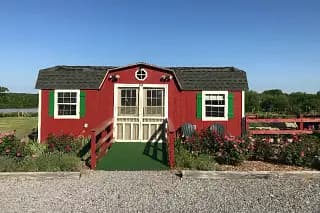
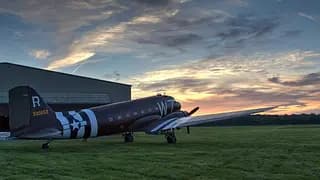
Farm stands run May through October, with some (SaJe Family Farm, Deer Run Winery) staying open year-round. The Lakeville taproom cluster is open year-round. Letchworth has year-round access; peak visitation is September and October. Canadice and Hemlock lakes are best visited May through October. The Geneseo Airshow runs the second weekend of July.



No image available
No image available