The Long and Short of it
Canandaigua is the most approachable lake in the region: smaller wine trail, less traffic, and a downtown that works without wine-trail branding pressing down on it. The Treaty of Canandaigua was signed at the north end in 1794 and is still honored annually on November 1. Come in late September for the Naples Grape Festival, or any other time when you want to experience the quieter side of the Finger Lakes.
Heritage Sites
The Seneca Nation are Ondöndowa’ga:', the Great Hill People. Their origin story places the emergence of their people at Nundawao, the Great Hill, at the lake’s southern tip near Naples. The name of the lake comes directly from Seneca: Tganondæ:gwęh, the Chosen Spot. Fifteen miles northwest, near Victor, is Ganondagan, the Town of Peace, which at its 17th-century height was one of the largest Seneca towns, home to roughly 4,500 people.
Jikonsaseh, the Mother of Nations, whose diplomatic intervention was essential to founding the Haudenosaunee Confederacy, lived here and is buried nearby. The French destroyed Ganondagan in 1687, burning 150 longhouses during the fur trade conflicts. The Seneca rebuilt their political life elsewhere, absorbing further losses during the Sullivan-Clinton Campaign of 1779, and returned to the treaty table in November 1794.
In November 1794, more than 1,500 Haudenosaunee representatives gathered at Canandaigua. The Seneca had invited a delegation of Quakers from Philadelphia to witness. On November 11, fifty-nine sachems signed the Treaty of Canandaigua. The treaty affirmed Haudenosaunee sovereignty, set Seneca territorial boundaries, and established a framework for resolving disputes. The United States still pays the annual cloth annuity promised in Article Six. The original parchment is held by the Ontario County Historical Society at 55 North Main Street. The Haudenosaunee return each November 11 to brighten the chain of friendship. The ceremony is open to the public.
Canadaigua Wine
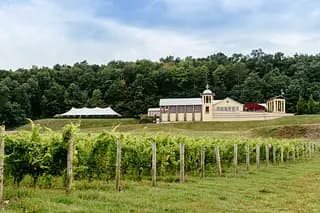
The Canandaigua Lake Wine Trail has nine producers running from Victor and Fairport south through Canandaigua and along the lake’s western ridge to Naples, thirty miles end to end. The south-end cluster around Naples is the most food-integrated wine loop in the region: wineries, grape pie, and a gorge walk all within thirty minutes of each other.
What distinguishes the Canandaigua expression: lighter body, more fruit-forward, a tasting culture that tends toward approachability. The south end, where the valley compresses and the Concord-planted hills are dense, produces wines that prioritize agricultural character over formal structure. For visitors new to the region, this is often the right lake to start with before heading east to Keuka or Seneca.
Honest note: Canandaigua’s nine producers and Seneca Lake’s thirty-three sit at opposite ends of trail ambition. Canandaigua is a day trip. Seneca is a two-day project. Both are worth doing.
Approach
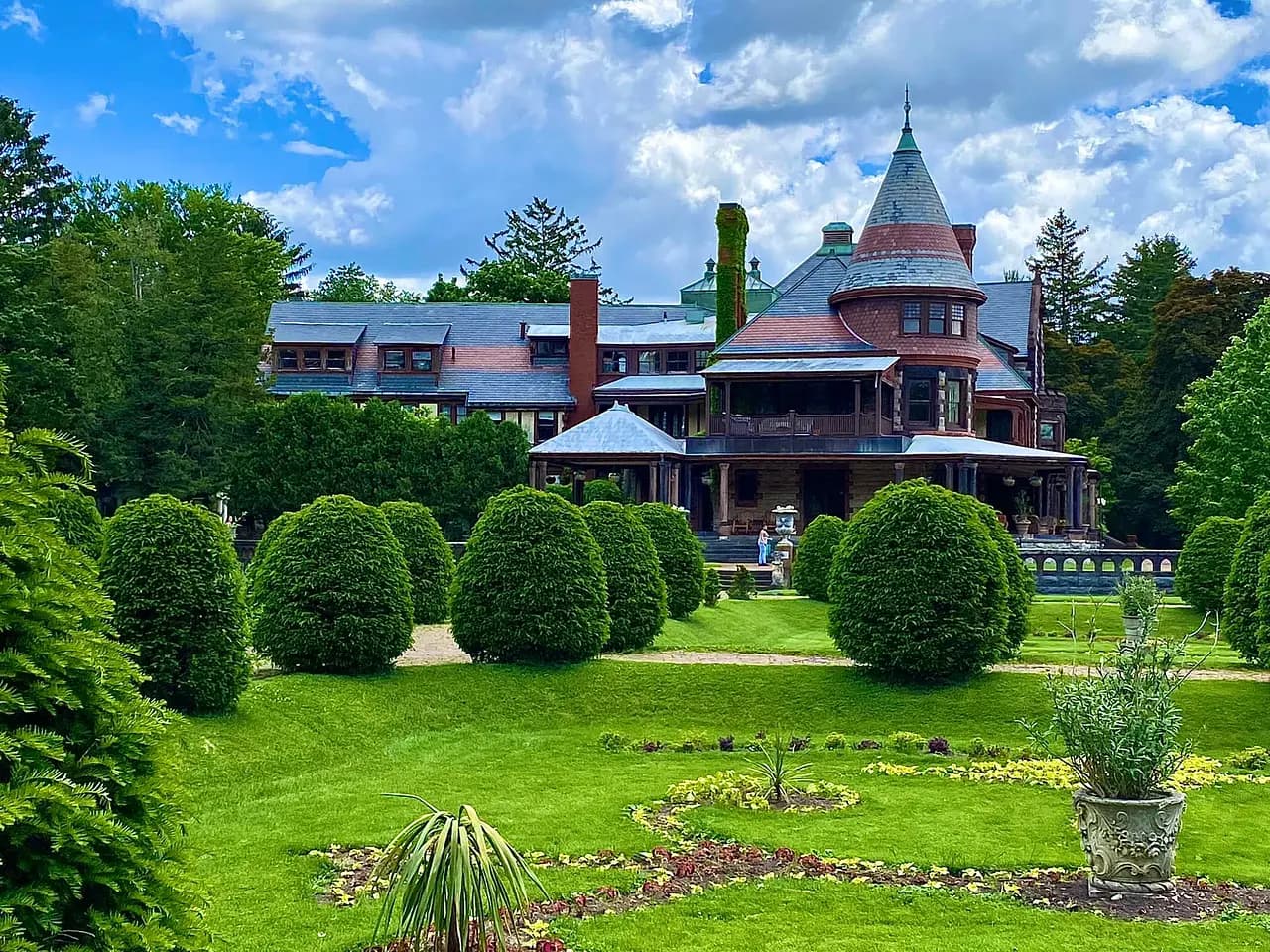
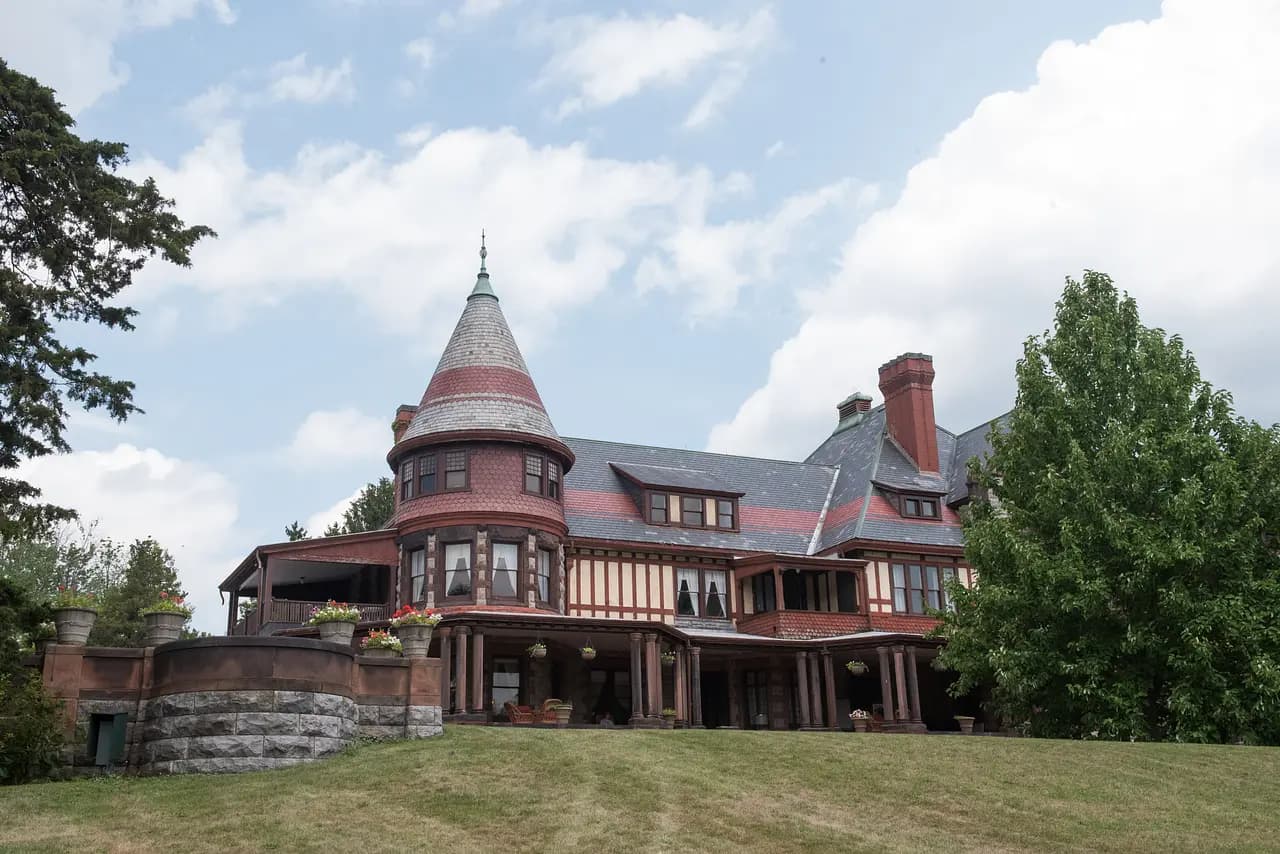
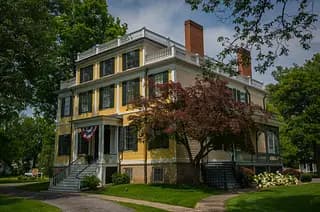
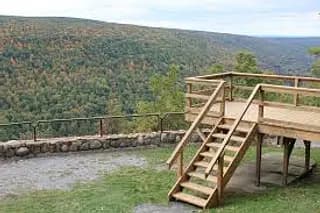
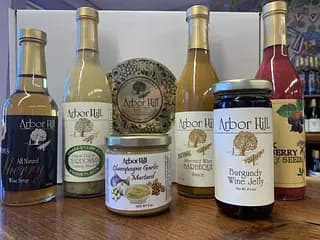
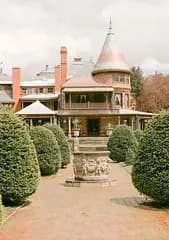
Start at Sonnenberg Gardens in Canandaigua for the Finger Lakes Wine Center overview, then drive south on Route 21, stopping at Heron Hill on the western ridge in South Bristol. Continue south to Naples for Arbor Hill, Hazlitt, Inspire Moore, and Hometown Wine Company. Return north on Route 64 past the South Bristol Overlook. One day, no backtracking. Tasting fees $10–$15 per stop. Full hours May through November; call ahead December through April.
Outdoors
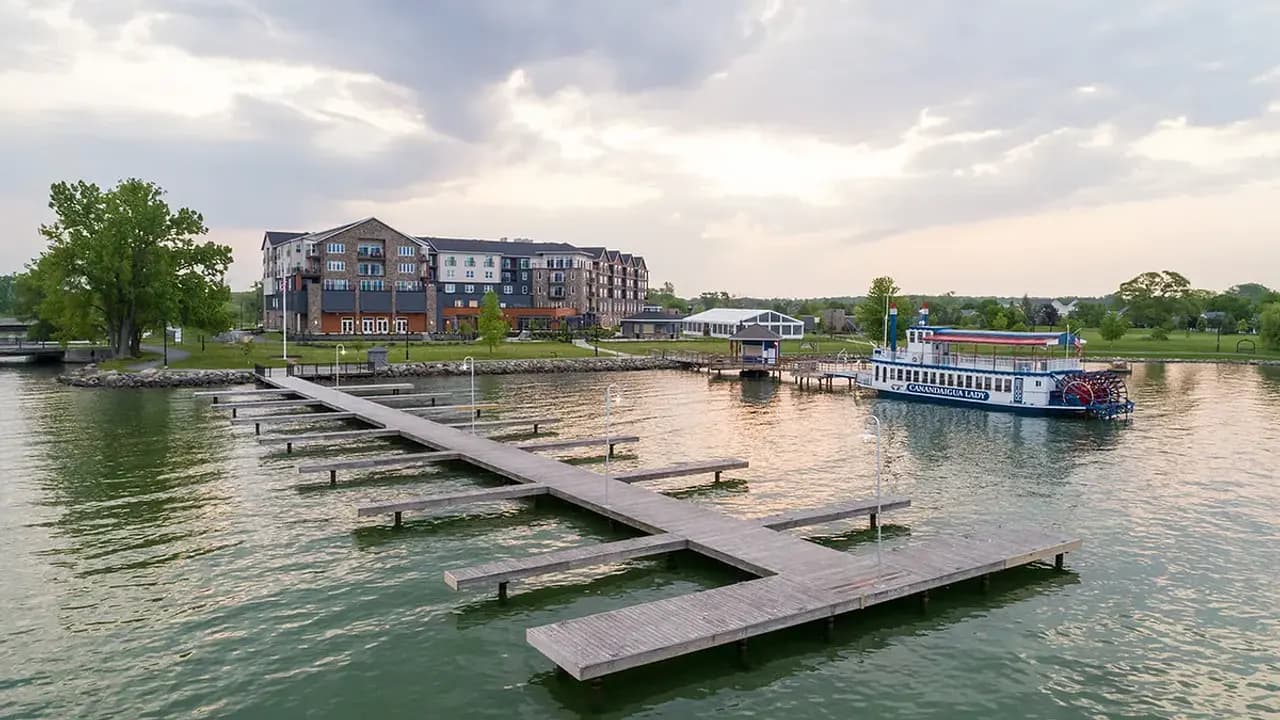
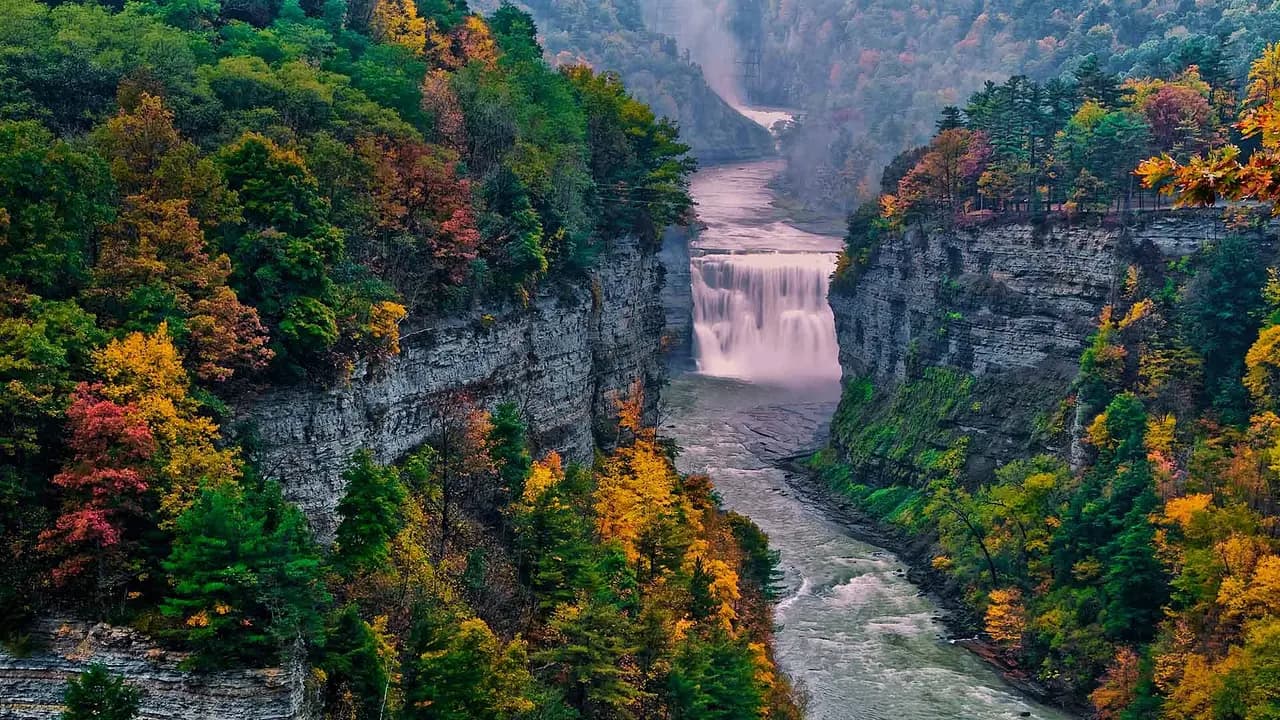
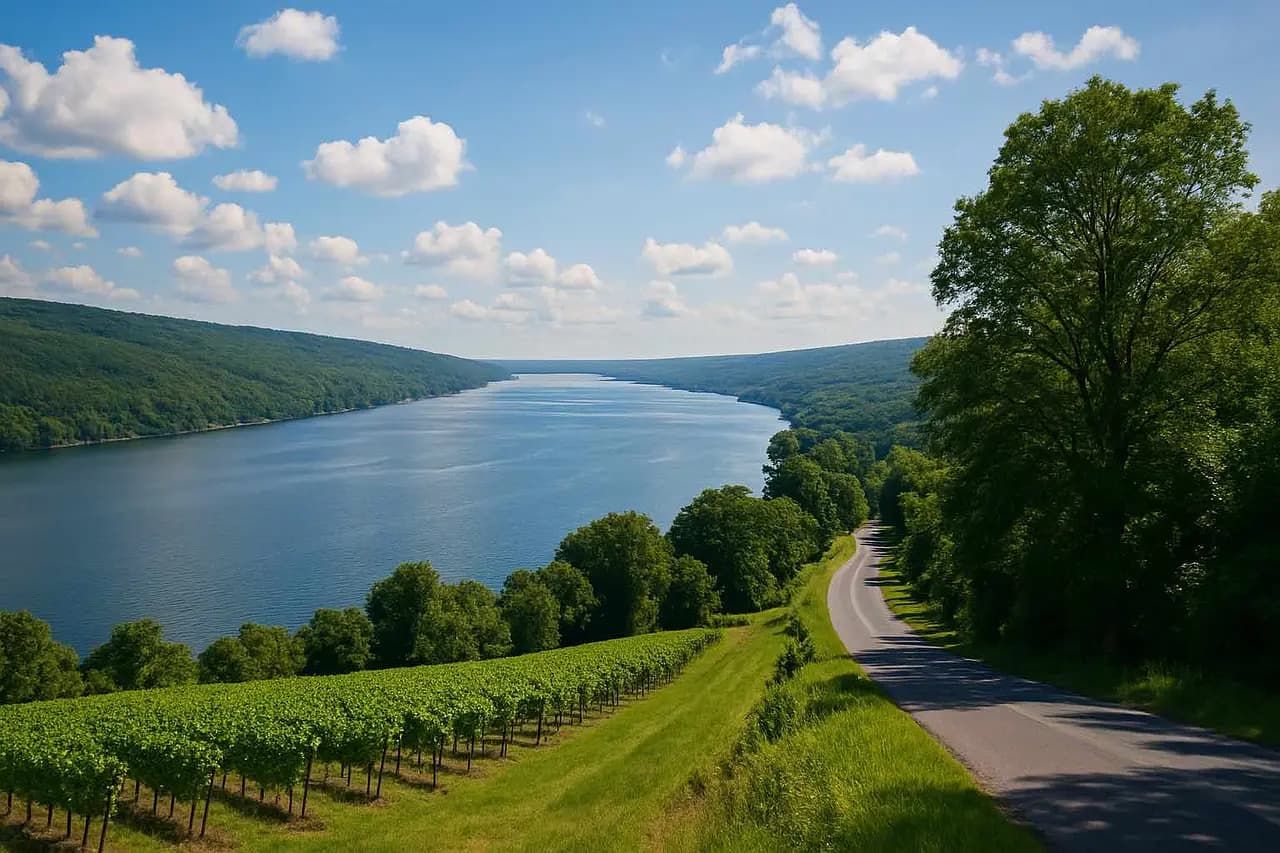
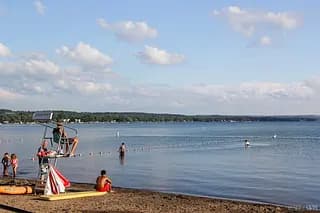
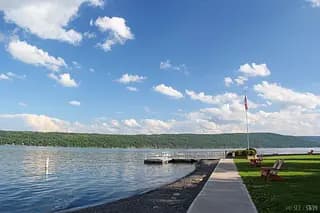
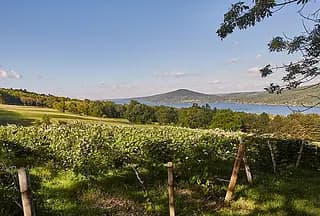
Canandaigua’s outdoor geography is organized vertically: the lake at the floor, the vineyard ridge running the western wall, and the gorge at Naples tucked into the south end. Gannett Hill at 2,256 feet is the highest point in Ontario County. The lake itself offers steamboat cruises on a 19th-century replica paddleboat from the city pier.
Farms
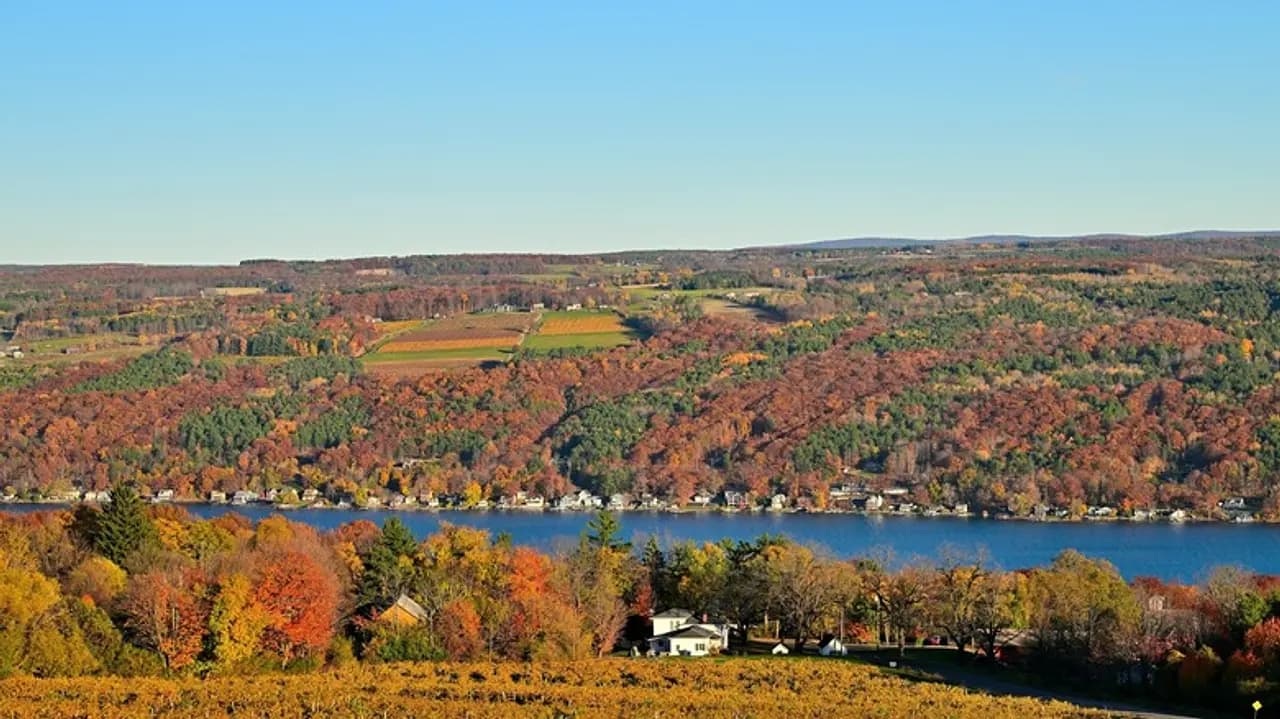
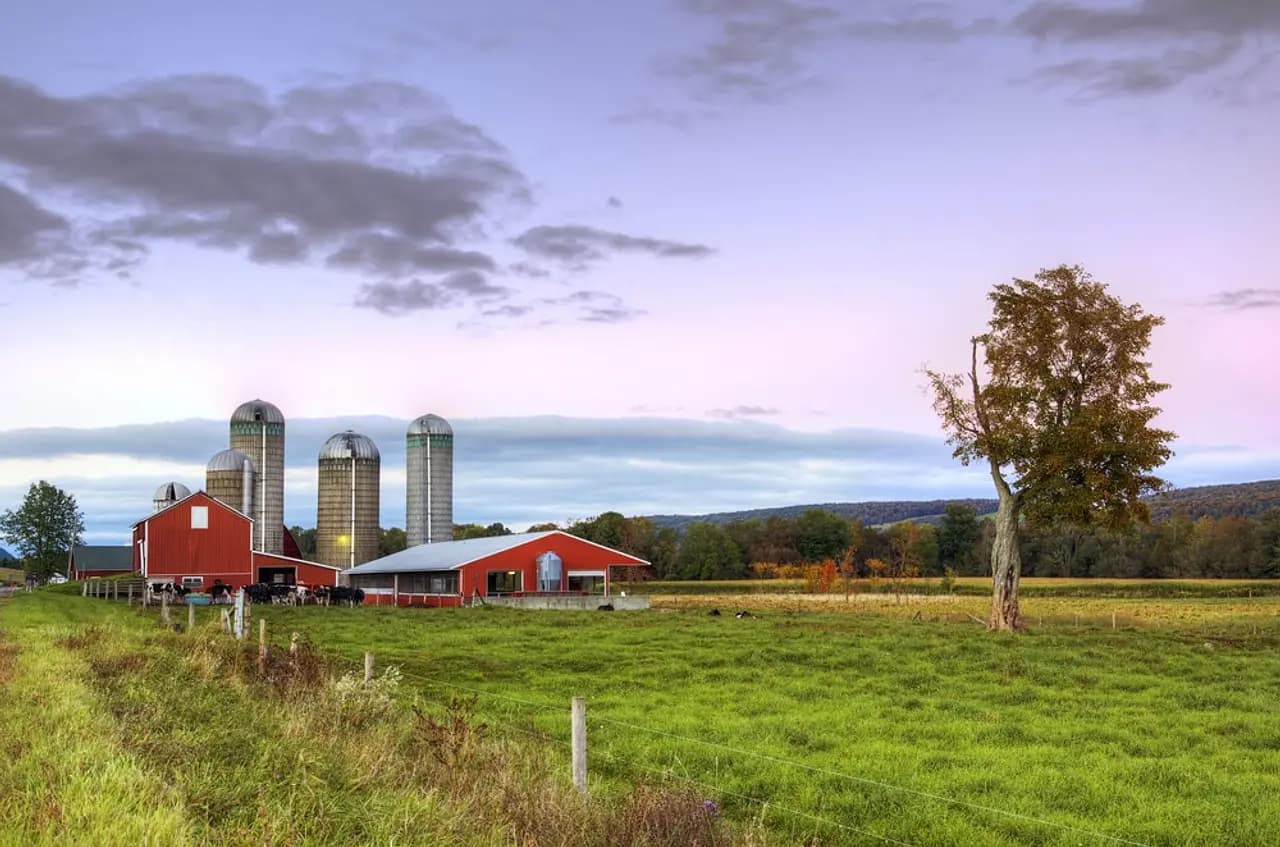
The Concord grape defines the Canandaigua valley’s agricultural identity. Route 21 south from Canandaigua to Naples is one of the most productive fruit-growing corridors in the Finger Lakes. The Concord is native to this climate in ways that European vinifera is not, and the variety that makes Naples grape pie taste like nothing else in the country.
Towns
Canandaigua Deep Dive
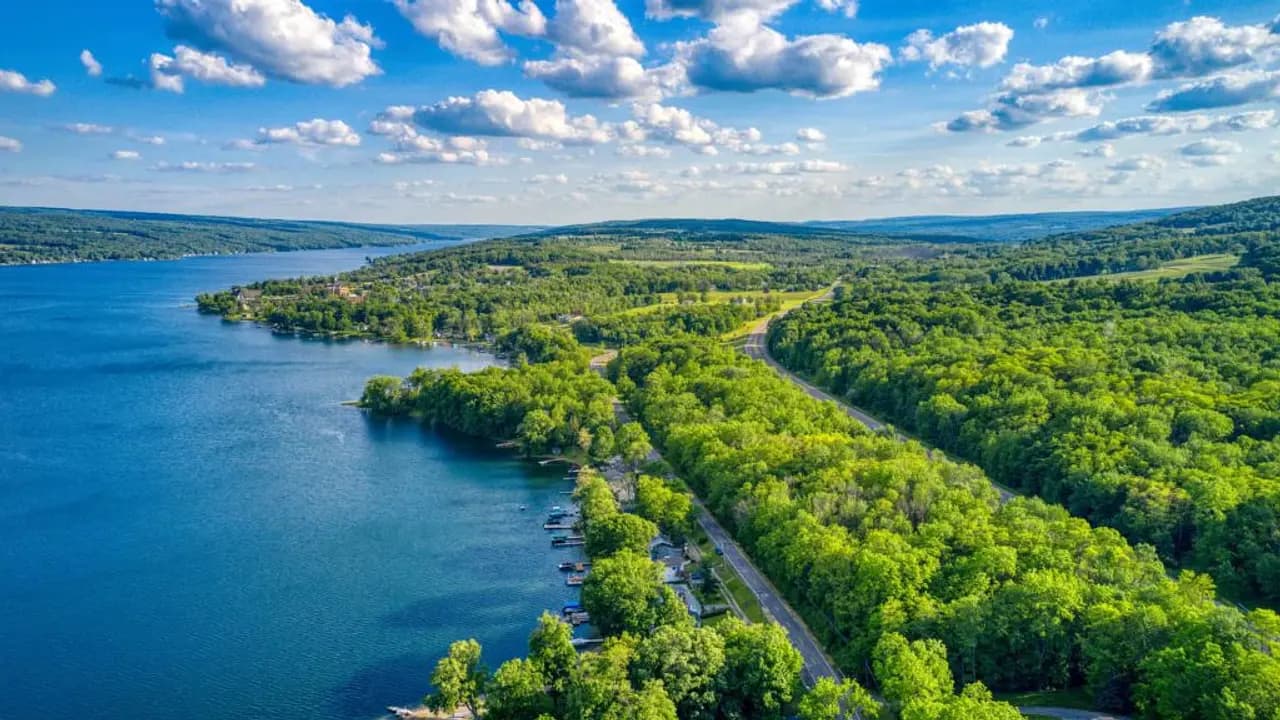
The name is Seneca. Tganondæ:gwęh, the Chosen Spot, rendered as Canandaigua, which is what happens to a language when colonial administrators try to write it down phonetically in English. The Seneca Nation were the ones who named it, and they had been here long enough to know what they had found. The glacial lake runs 15.5 miles south from the city at its northern end into a valley that narrows as it approaches Naples, where the hills press in close and the Concord grape harvest defines September in a way that nothing else in the Finger Lakes quite matches.
Canandaigua is the most approachable lake in the region: the smallest wine trail, the least-trafficked shoreline, the western gateway. It is also the lake with the fewest visitors who know the treaty ground is a ten-minute walk from the Sonnenberg Gardens parking lot. The same courthouse square where Susan B. Anthony was tried in 1873 for voting holds Treaty Day commemorations each November 11. The grape pie tradition began in a Naples restaurant in the 1960s and now draws forty thousand people in a single September weekend. Canandaigua keeps producing occasions for recognition.
Planning Your Visit
5.5 hours from New York City via I-87 north to I-90 west to Route 332 south. Greater Rochester International Airport is 40 minutes north; Syracuse Hancock International Airport is 90 minutes east. A car is required.
Route 21 runs the western valley from Canandaigua south through the vineyard corridor to Naples: the primary wine trail drive, the fall foliage route, the grape pie run. Route 64 climbs the western ridge for the South Bristol Overlook and the Heron Hill barn on the return north. Route 5 and 20 connects the north end to Seneca Falls (25 minutes east) and Geneva (30 minutes west).
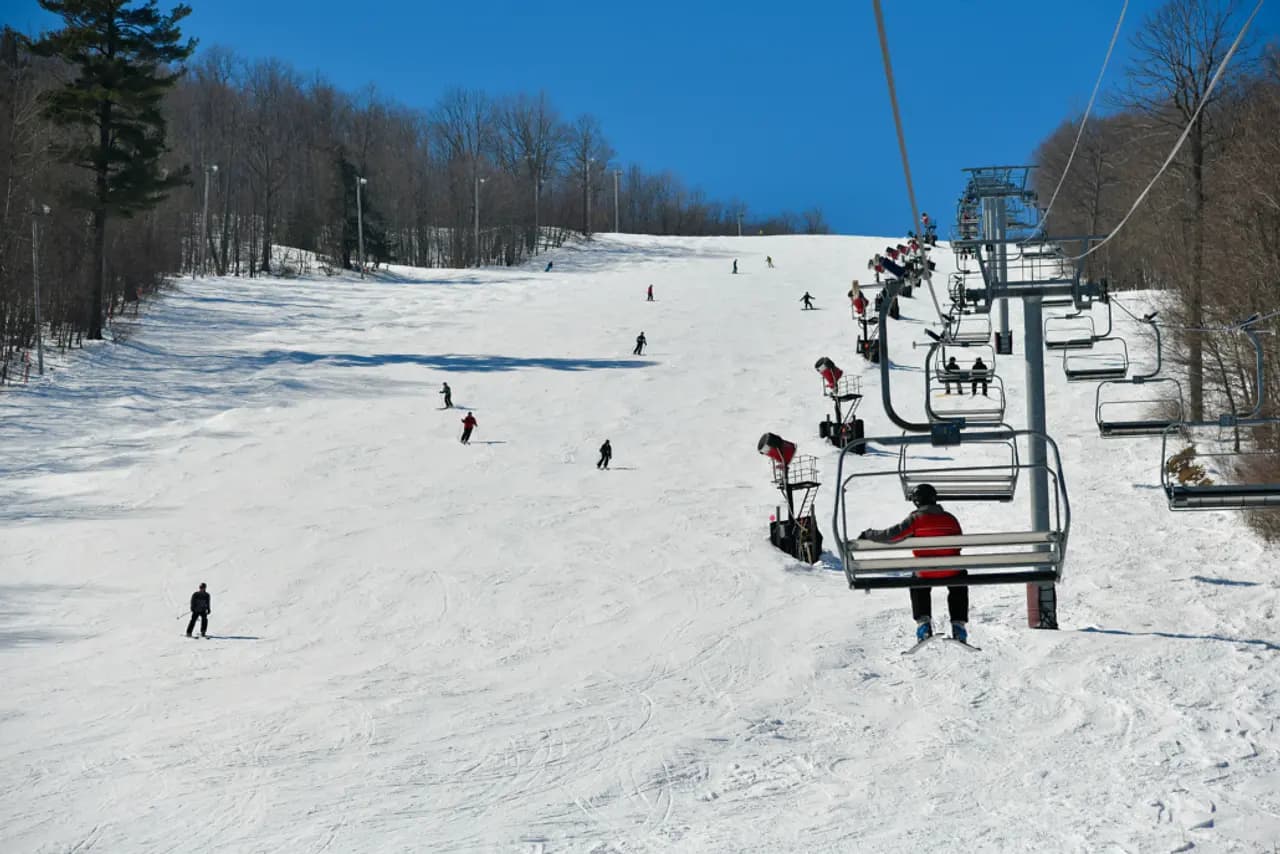
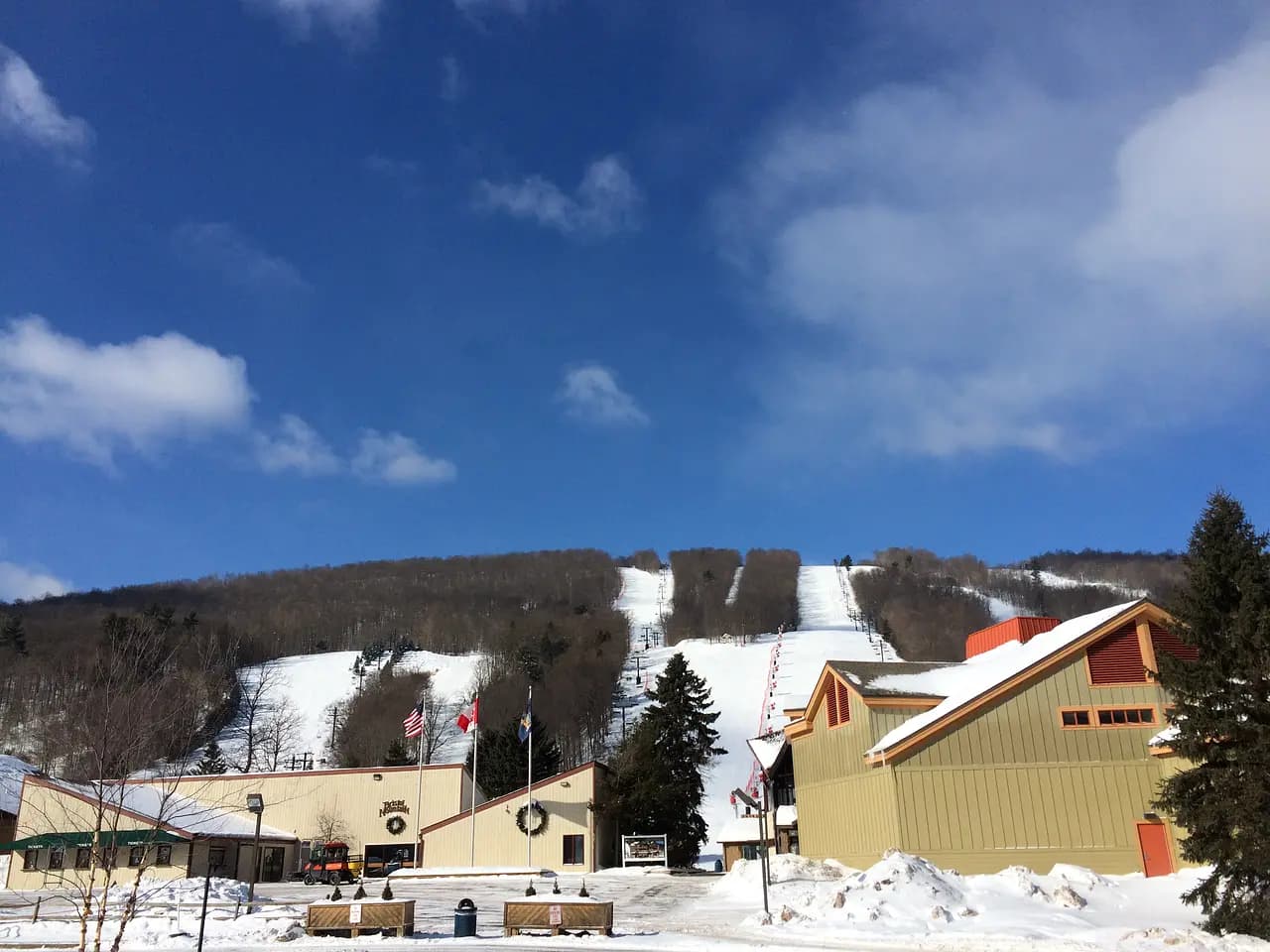
Wine trail tasting rooms: full hours May through November; reduced or appointment-only December through April. Naples Grape Festival: last full weekend of September. Grimes Glen: year-round. Bristol Mountain ski season: December through March; fall chairlift rides by schedule. Canandaigua Lady: May through October. Sonnenberg Gardens: May through October, admission $15–18. Ganondagan: Wednesday through Saturday; closed mid-January through mid-February. Treaty Day: November 11 at the courthouse, free and open to the public
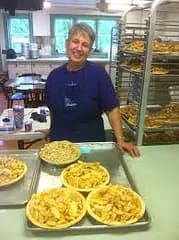
Forty thousand visitors on the last full weekend of September, every year since 1961. Grape pie is available year-round at Arbor Hill even when the festival is not running.