The Long and Short of it
Eleven glacial lakes, four organized wine trails, two national parks, and the significant sites of 19th-century American reform history, all within a day's drive of each other. The Finger Lakes is a region that rewards people who come with intention and stay longer than they planned.
Lakes
The Finger Lakes is organized by its lakes: that's how the geology laid it out and how visitors usually plan. Each has its own character, its own wineries and hiking trails, its own reason to stay more than one night. The four chapters below function as independent guides; the Eastern Lakes chapter covers six lakes in one. Any of them is a complete trip on its own.
Featured Itineraries
Finger Lakes History
The glaciers that carved the Finger Lakes millions of years ago left behind minerals that continue to nurture an incredibly rich agricultural society today. The Haudenosaunee people first recognized the value of this land thousands of years ago: fertile glacial soils, mild lake-shore temperatures, a topography that shelters valleys from the worst of the plateau winters. It was here that the Haudenosaunee built one of the world's oldest participatory democracies, a constitution called the Great Law of Peace, and towns with orchards and frame houses that astonished the Continental Army soldiers sent to burn them in 1779. The names of the lakes in the region come from the Haudenosaunee people: Cayuga, Seneca, Skaneateles, Owasco, Keuka, and Otisco.
The Quakers in the region stayed true to their morals, running businesses that refused to stock goods produced by enslaved labor. By the 1830s their communities along Cayuga's western shore were organized nodes of the abolitionist movement, circulating petitions and hosting speakers, years before the Underground Railroad had a name. By the time Harriet Tubman was looking for somewhere to land in 1859, the network was already forty years old. Tubman had been moving people through this corridor for a decade before she settled here; she knew the safe houses, the meeting houses, the people. After years of guiding people to freedom across a hostile landscape, thirteen trips south, never a single passenger lost, she surveyed her options and settled on a small city at the northern tip of Owasco Lake, surrounded by Quaker abolitionists, overlooking valley floors the Cayuga Nation had farmed for centuries. Auburn became Harriet Tubman's chosen home.
The landscape of the Finger Lakes has shaped the communities that live there. The Second Great Awakening burned through this corridor so intensely in the 1820s and 1830s that historians called it the burned-over district: a landscape so saturated with religious revival that there was no dry timber left to catch. Out of that fire came not just faith but argument. The abolitionist movement found its organizational roots here. Frederick Douglass published his newspaper, The North Star, in Rochester. Elizabeth Cady Stanton drafted the Declaration of Sentiments at her kitchen table in Seneca Falls and presented it at the Wesleyan Chapel in July 1848. The reform movements that produced all of this were the same people, in the same rooms, on the same roads, in a shared
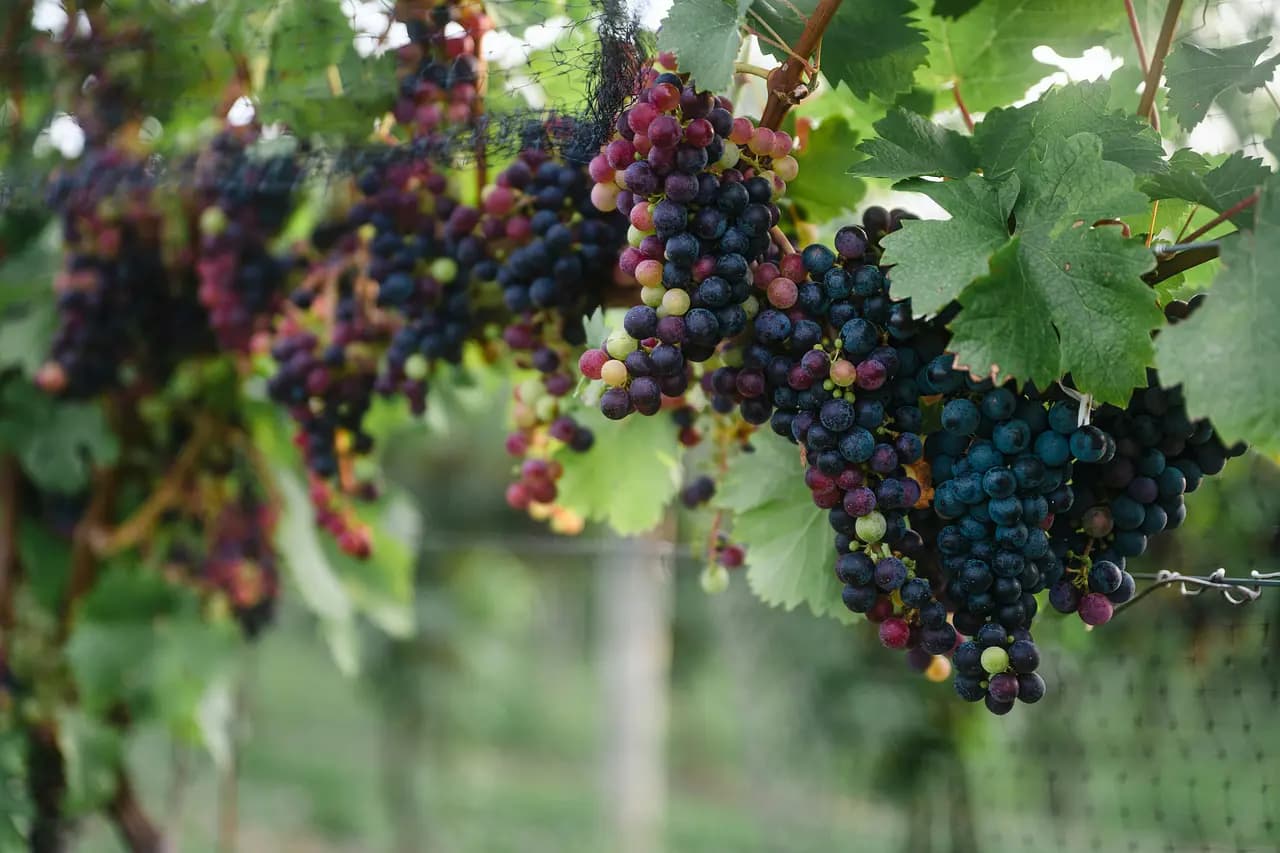
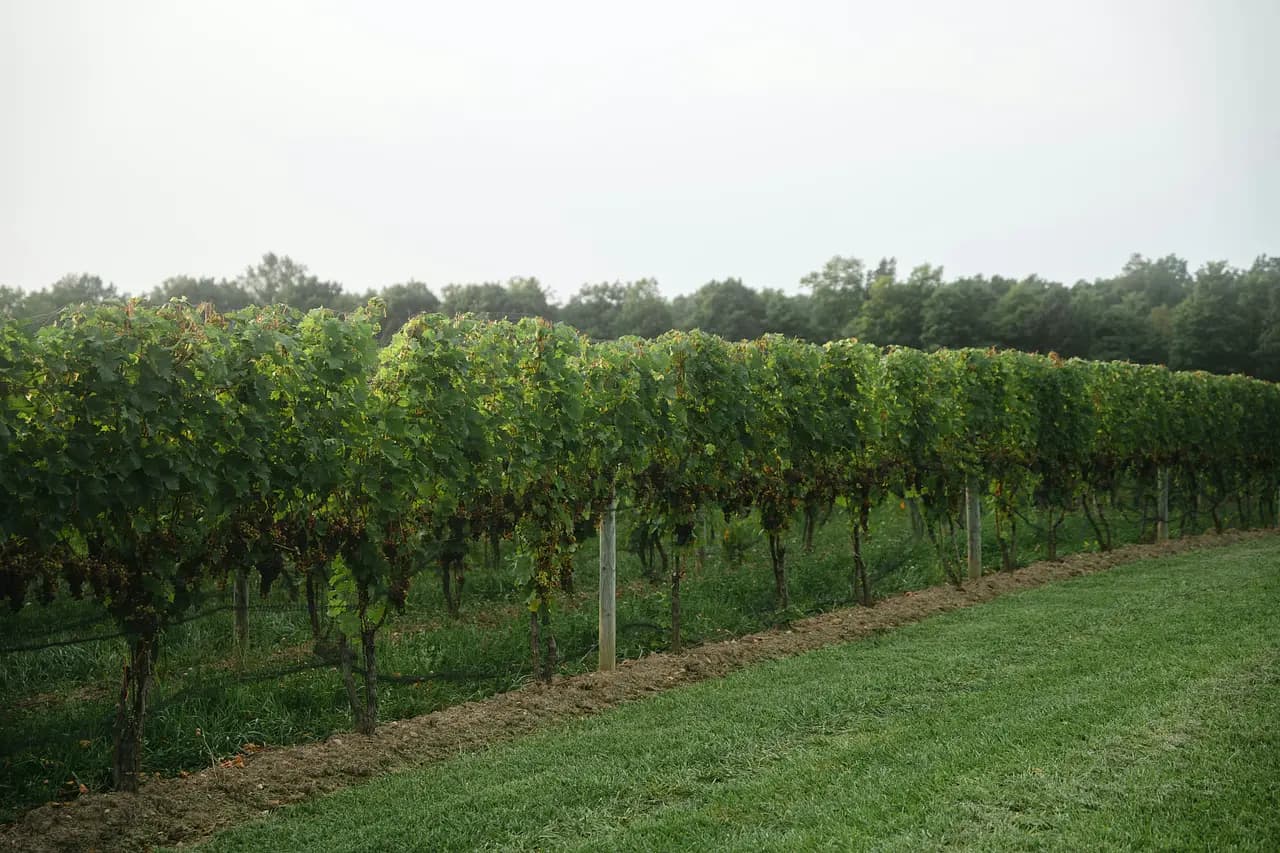
By 1900 there were more than 20,000 acres of vines across the region and over fifty wineries. The region was, briefly, the sparkling wine capital of the country. Scientists at Cornell's Agricultural Experiment Station in Geneva spent decades convinced that European wine grapes could not survive the Finger Lakes winters. They were wrong, and it took a Ukrainian viticulturalist who had spent his career working in colder conditions to tell them so. Konstantin Frank arrived at the Geneva Experiment Station in 1951, recognized the cold-climate conditions he had spent his career working with in Ukraine, and proved that Riesling would grow. He was right, and the Finger Lakes wine region followed. More than 140 wineries now run along four lakes. Wine Enthusiast named the Finger Lakes its American Wine Region of the Year in 2025. Frank, one suspects, would not have found this news particularly surprising.
What to Know Before You Go
A car is required to explore the Finger Lakes properly. Greater Rochester International Airport is 40 minutes from Canandaigua; Syracuse Hancock International Airport is 30 minutes from Skaneateles and 45 minutes from Auburn. From New York City: 4 to 5.5 hours, depending on which lake, I-87 north to I-90 west.
Two days minimum to do one lake. Five to seven days to cover multiple lakes. A full week to explore wine trails, the heritage corridor, and the outdoors at an enjoyable pace. Geneva, at the north end of Seneca Lake, is the geographic center of the region and a practical base for multiple lakes.
In this guide, we have included five deep dives into different lakes. The Cayuga Lake chapter covers the longest lake and the strongest heritage corridor. The Seneca Lake chapter covers the deepest lake and the largest wine trail. The Keuka Lake chapter covers the Y-shaped lake where the region's wine history began. The Canandaigua Lake chapter covers the westernmost lake and the treaty ground. The Eastern Lakes chapter covers the six smaller lakes, Skaneateles, Owasco, Hemlock, Canadice, Honeoye, and Otisco, in a single guide.
Each chapter works as a standalone day-trip or overnight guide and as part of a longer regional itinerary. Every chapter includes: the towns, the heritage sites, the wineries, craft beverage producers, farms, nature sites, and a practical seasonal guide.
October for harvest and fall color on the vineyard hills. April for waterfalls running at full snowmelt. November 11 for Treaty Day at the Canandaigua courthouse: the Haudenosaunee return annually, the ceremony is open to the public. December weekends in Skaneateles for the Dickens Christmas celebration. Ice wine releases at Seneca and Keuka producers from December through February.