
The Long and Short of it
Seneca is the deepest lake entirely within New York State, and its thermal mass is the reason the wine trail here has more producers than any other loop in the region. Run the west shore on day one and the east shore on day two: Route 414 is quieter, steeper, and produces wines that earn the Mosel comparison they are always being given.
Seneca Lake Wine
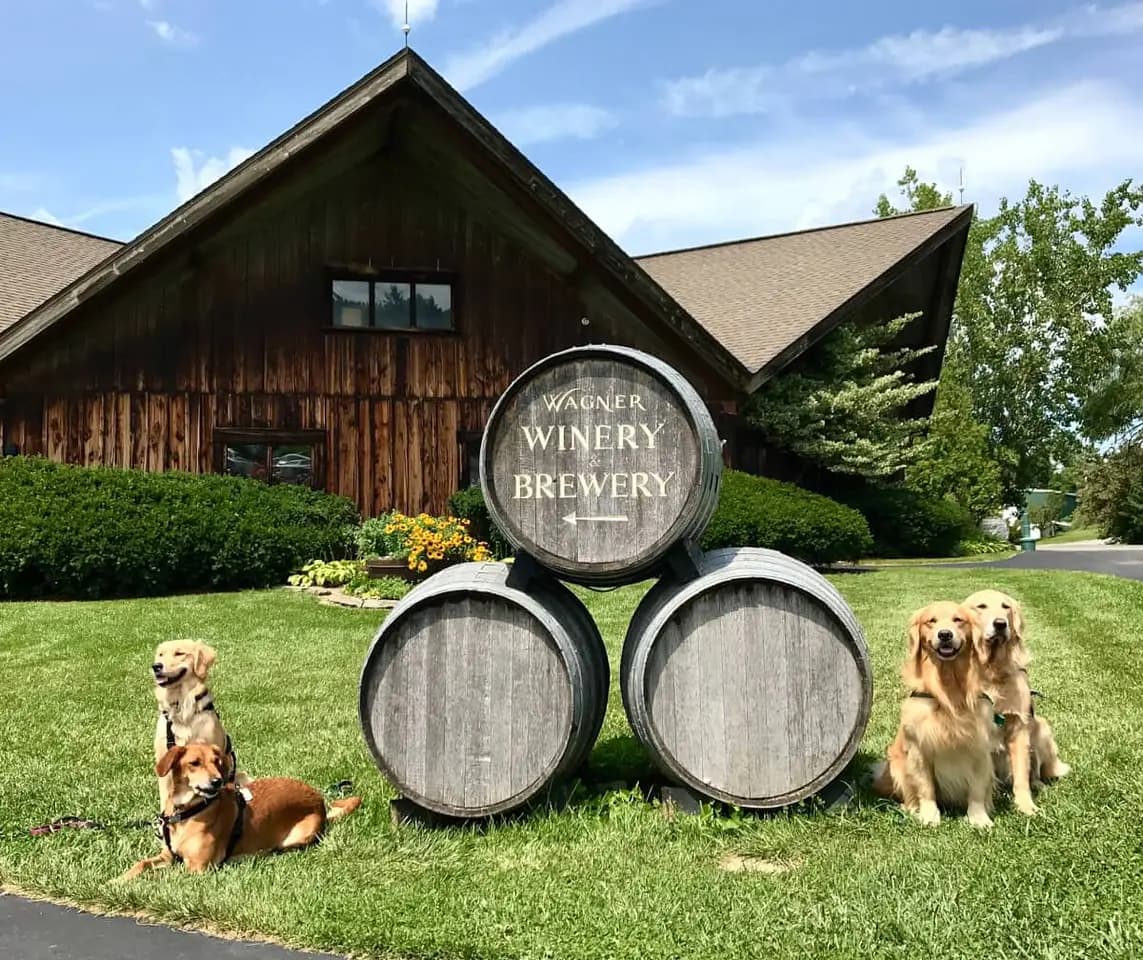
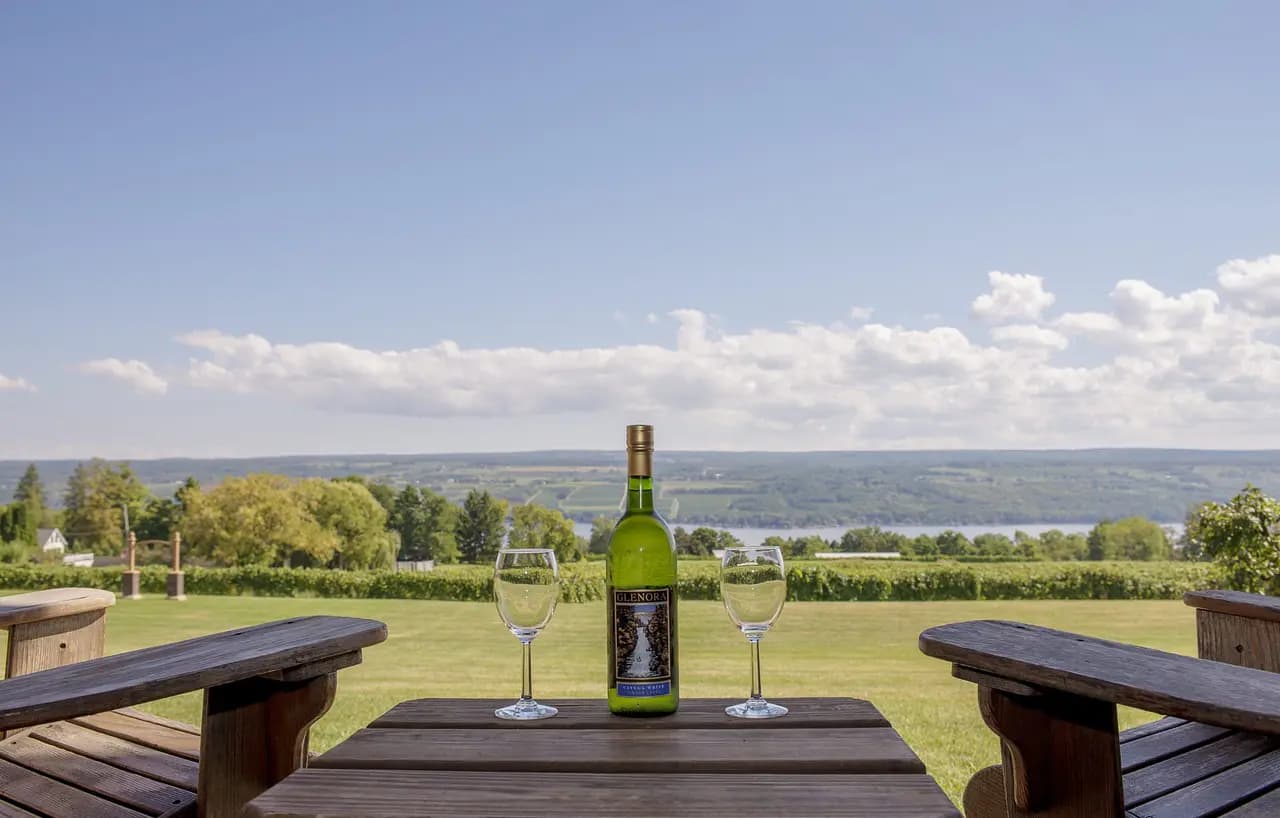
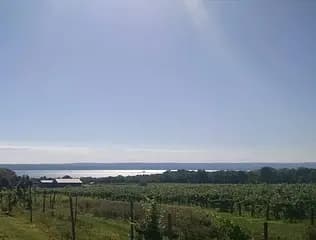
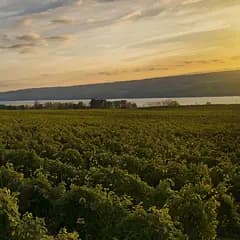
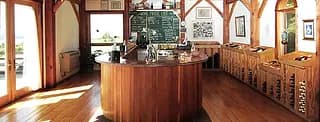
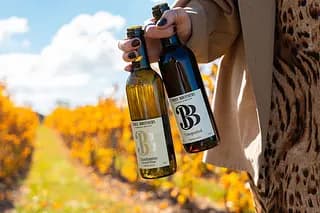
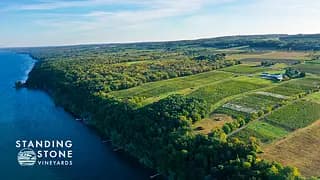
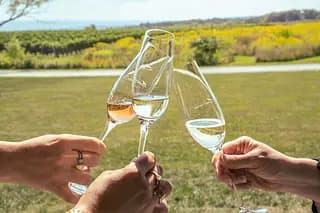
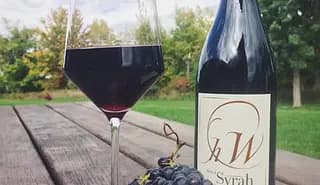
The Seneca Lake Wine Trail has 28 producers. What distinguishes Seneca: more thermal mass, lower elevation on the lake shores, steeper east-side slopes, and a slightly richer, rounder expression in the Riesling. The east shore, Route 414, produces wines that earn serious Mosel comparisons because the conditions are genuinely similar: shale slopes, cold lake moderating temperatures, long hang time in autumn.
The east shore's so-called banana belt, the southeast-facing slopes where afternoon sun lingers into the evening, produces the most concentrated fruit on the trail. Hermann Wiemer identified this in the 1970s. The wines from those slopes have been making the argument ever since.
How to approach the trail:
West shore: Route 14 north from Watkins Glen through Rock Stream, Dundee, Himrod, to Geneva. More producers, more established names, easier logistics: most tasting rooms are right on the road. East shore: Route 414 north from Watkins Glen through Burdett, Hector, and Lodi. Quieter, steeper, the better second day when you want depth over breadth. The two roads connect at Geneva on the north end and Watkins Glen on the south, so a two-day loop covering both shores is straightforward: one road each day, no backtracking. Tasting rooms run full hours May through November; call ahead in shoulder season.
Outdoor
Heritage Sites
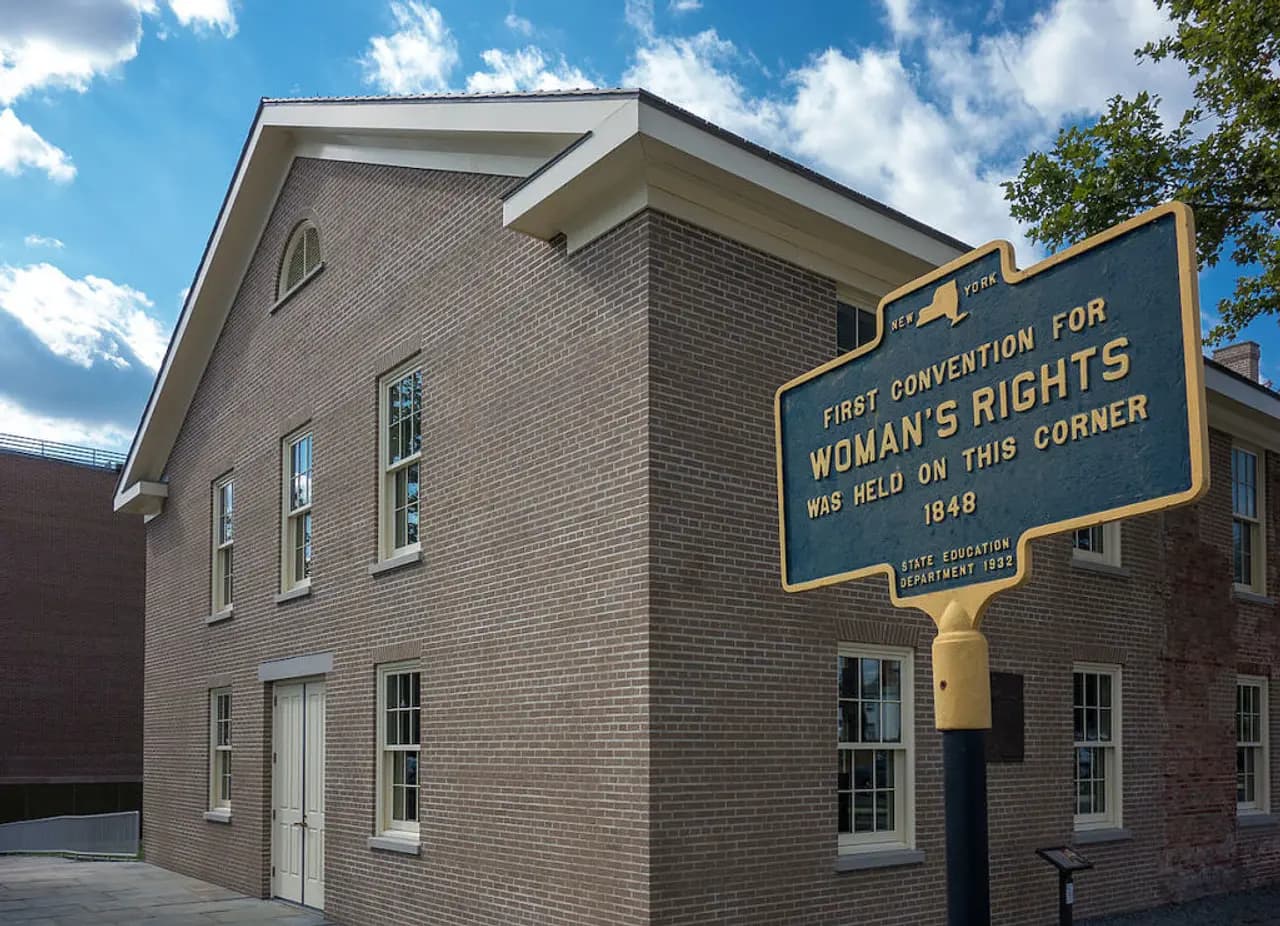
Seneca carries more of the reform era than most visitors realize. Waterloo, five miles west of Seneca Falls, holds two pieces of American history on the same main street: the M'Clintock House, where the Declaration of Sentiments was drafted before the 1848 convention, and the birthplace of Memorial Day. On May 5, 1866, pharmacist Henry Welles and General John Murray organized the first community-wide observance of Memorial Day in Waterloo. In 1966, President Johnson signed a proclamation formally recognizing it.
Geneva's claim is Elizabeth Blackwell. The reform movements of the 19th century were not confined to the Auburn-Seneca Falls corridor. They ran the length of the lake.
Seneca Lake Deep Dive
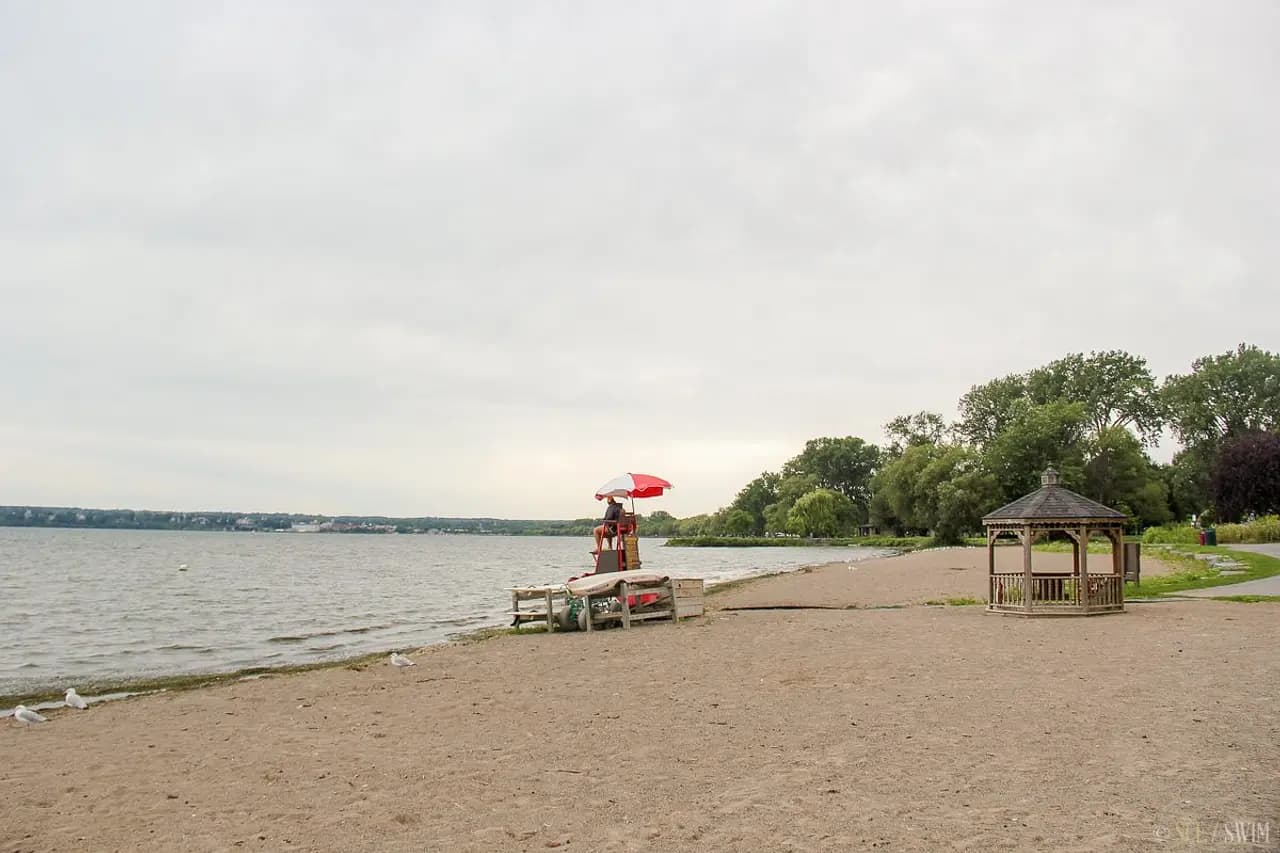
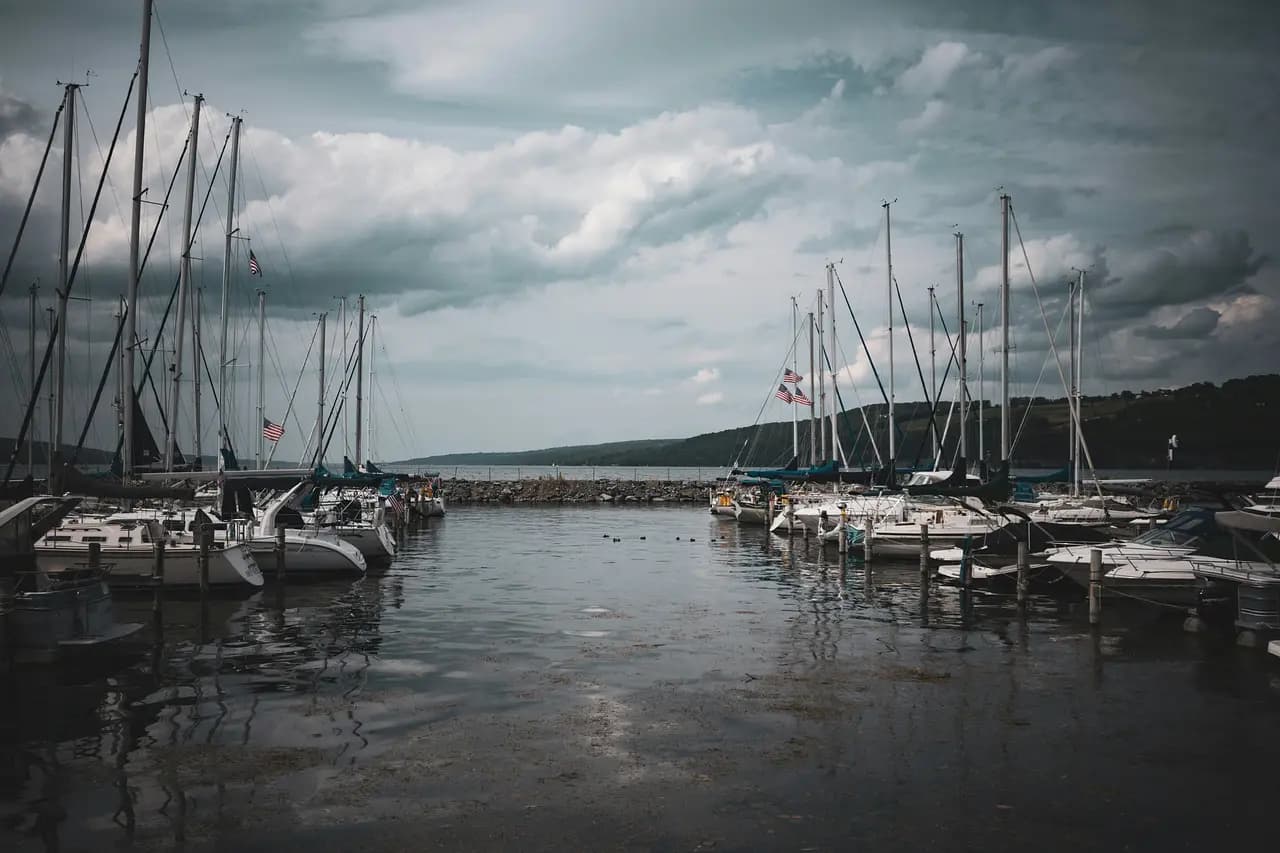
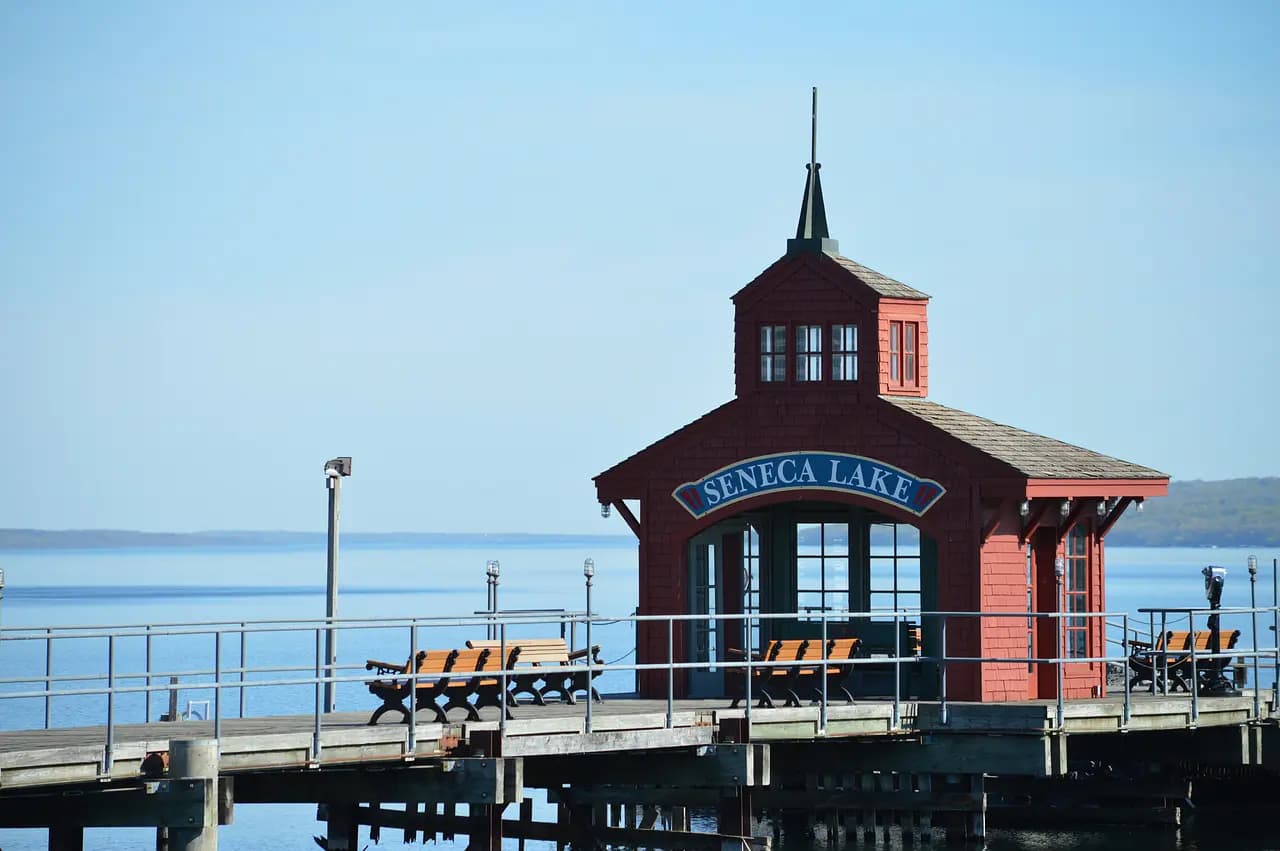
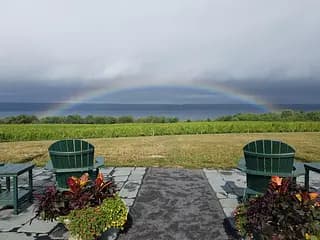
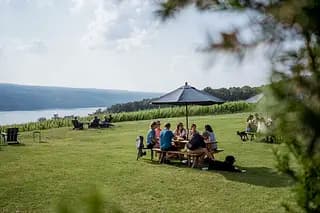
Seneca Lake looks like the other lakes from the road, long, narrow, framed by vineyard slopes, but the numbers are different. At 618 feet deep, its bottom sits 173 feet below sea level, and it holds roughly half the water in all eleven Finger Lakes combined. It freezes completely about once a century. The last time was 1912, when people skated the full 35 miles from Geneva to Watkins Glen.
That thermal mass is the whole story. The lake holds summer heat deep into autumn, keeps the surrounding slopes from freezing when the plateau above is already locked in, and creates a microclimate that makes viticulture possible at this latitude. The Seneca Nation farmed these shores and built their capital, Kanadeseaga, near what is now Geneva, before Washington's troops burned their villages in 1779. Catherine's Town, near present-day Watkins Glen, was among those destroyed. The early nursery industry that made Geneva's founding wealth began with the Kanadesaga fruit trees that survived Washington's campaign.
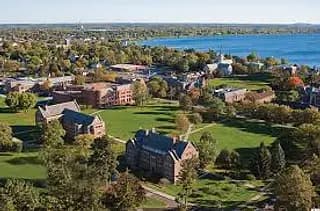
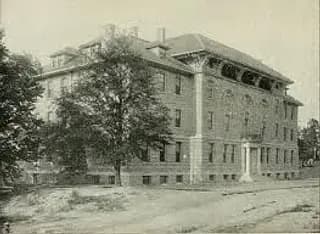
Hobart and William Smith Colleges trace their origins to Geneva Academy, established 1797 at the lake's north end, on land that was Seneca Nation territory. The institution's specific claim: Elizabeth Blackwell applied to and was rejected by 29 medical schools before being admitted to Geneva Medical College in 1847. She graduated two years later at the head of her class, the first woman to receive a medical degree in the United States. This happened six miles west of Seneca Falls, in the same decade as the women's rights convention.
By 1900 there were more than 20,000 acres of vines across the Finger Lakes, with Seneca at the center. Prohibition dismantled most of it. Scientists at Cornell's Agricultural Experiment Station in Geneva spent subsequent decades convinced that European wine grapes could not survive these winters. In 1951, a Ukrainian viticulturalist named Konstantin Frank looked at the cold Seneca slopes and recognized the conditions from home. He was right. Hermann Wiemer, who came from Germany's Mosel Valley, saw the east-shore slopes in the 1970s and recognized the geology. He stayed for the rest of his working life. The Rieslings from those slopes have been earning the comparison ever since.
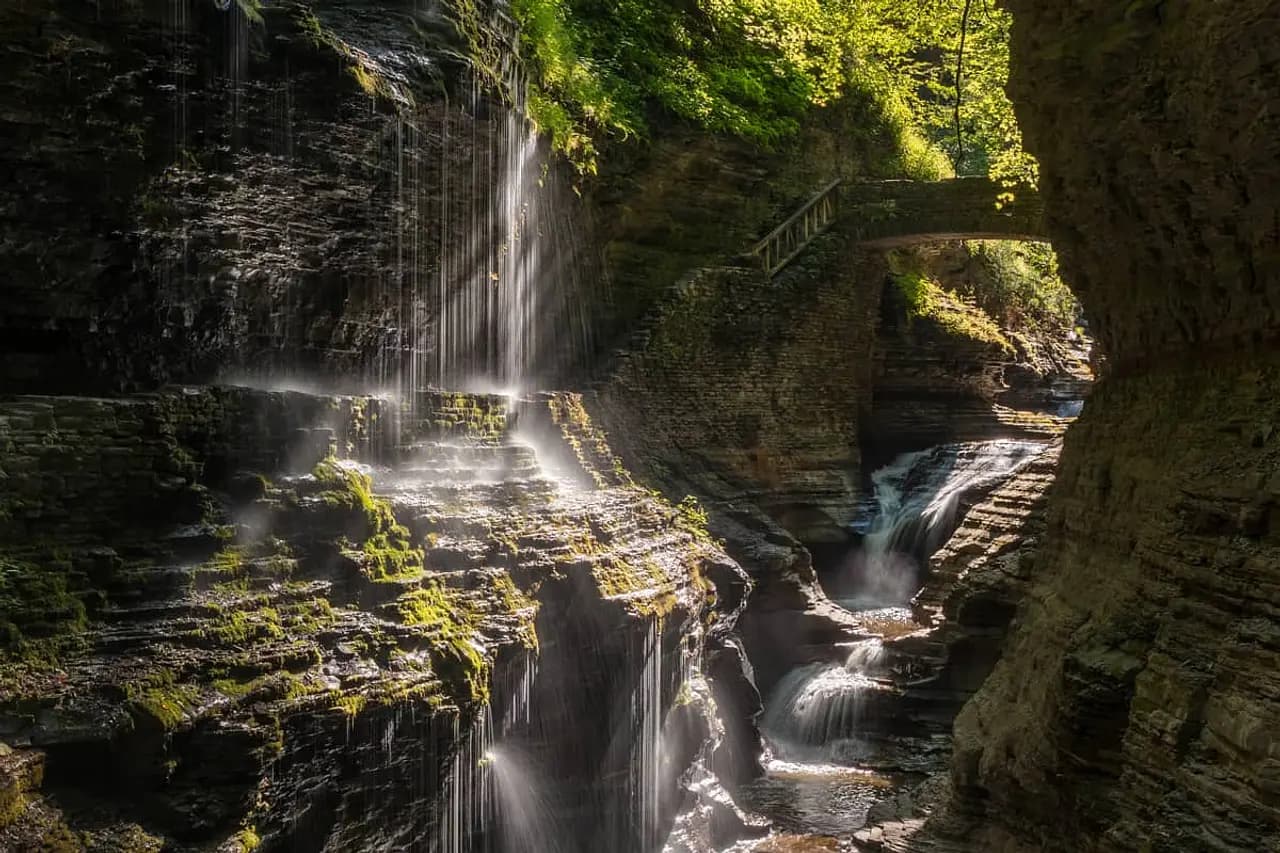
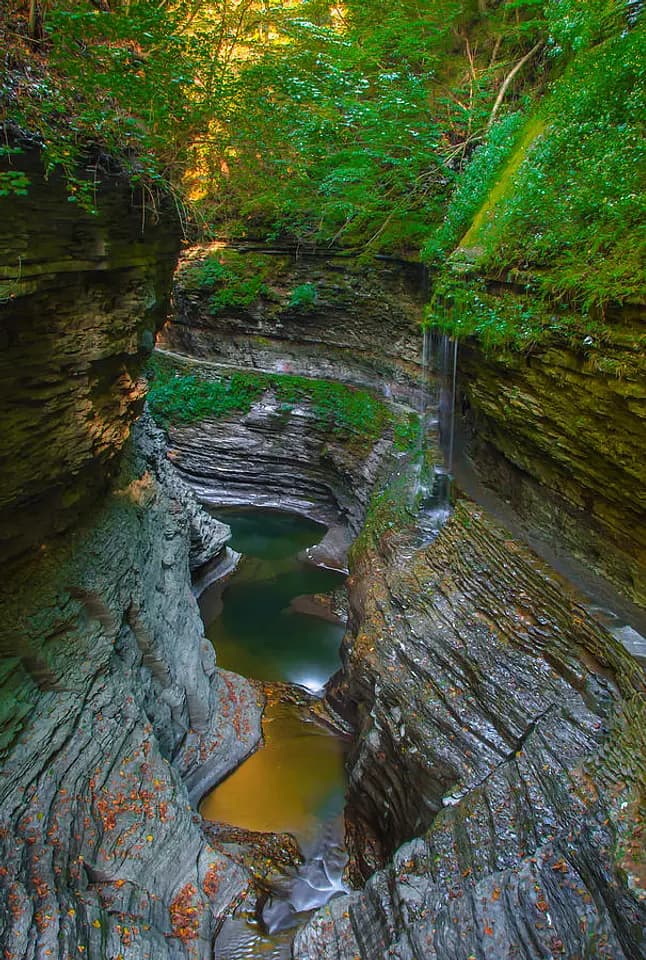
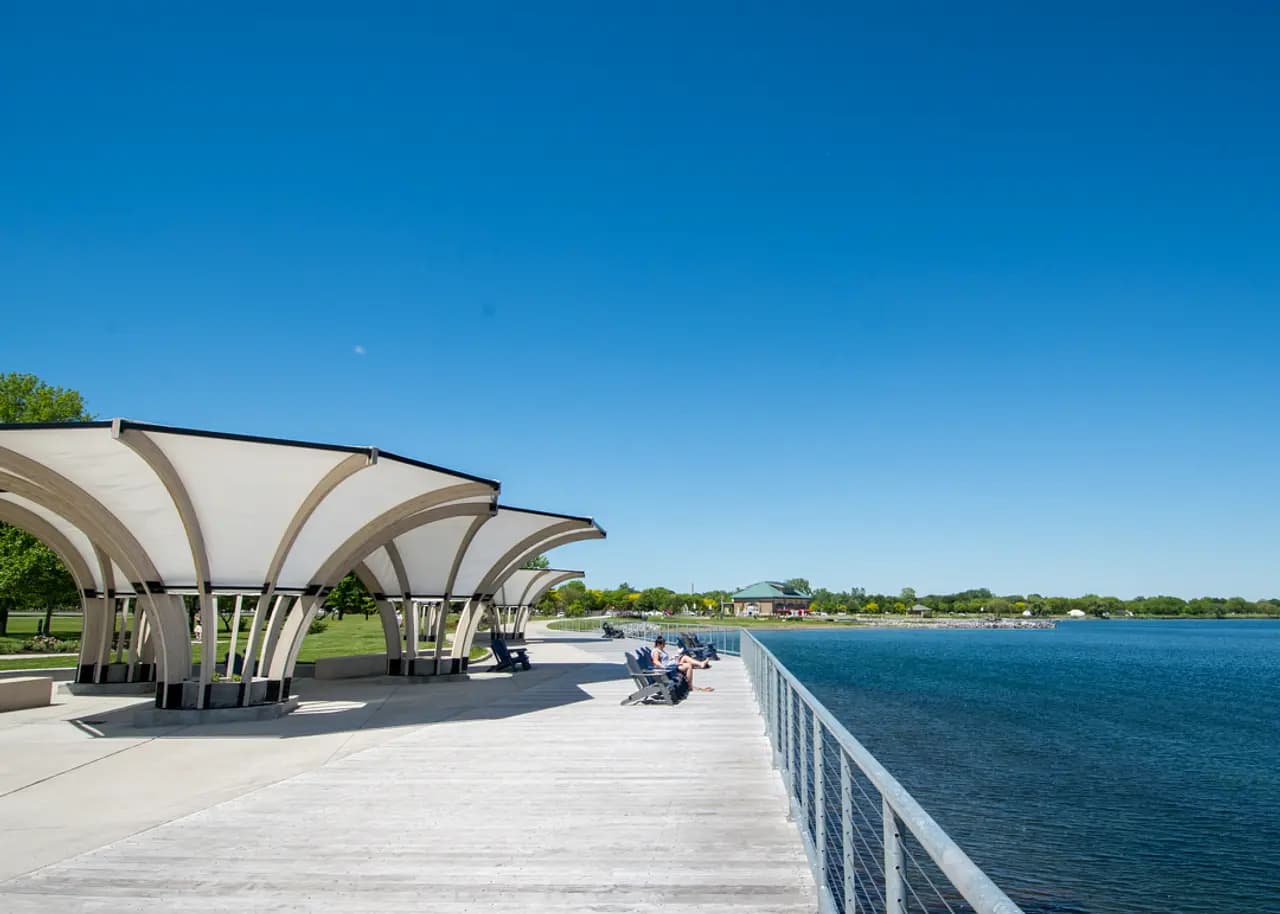
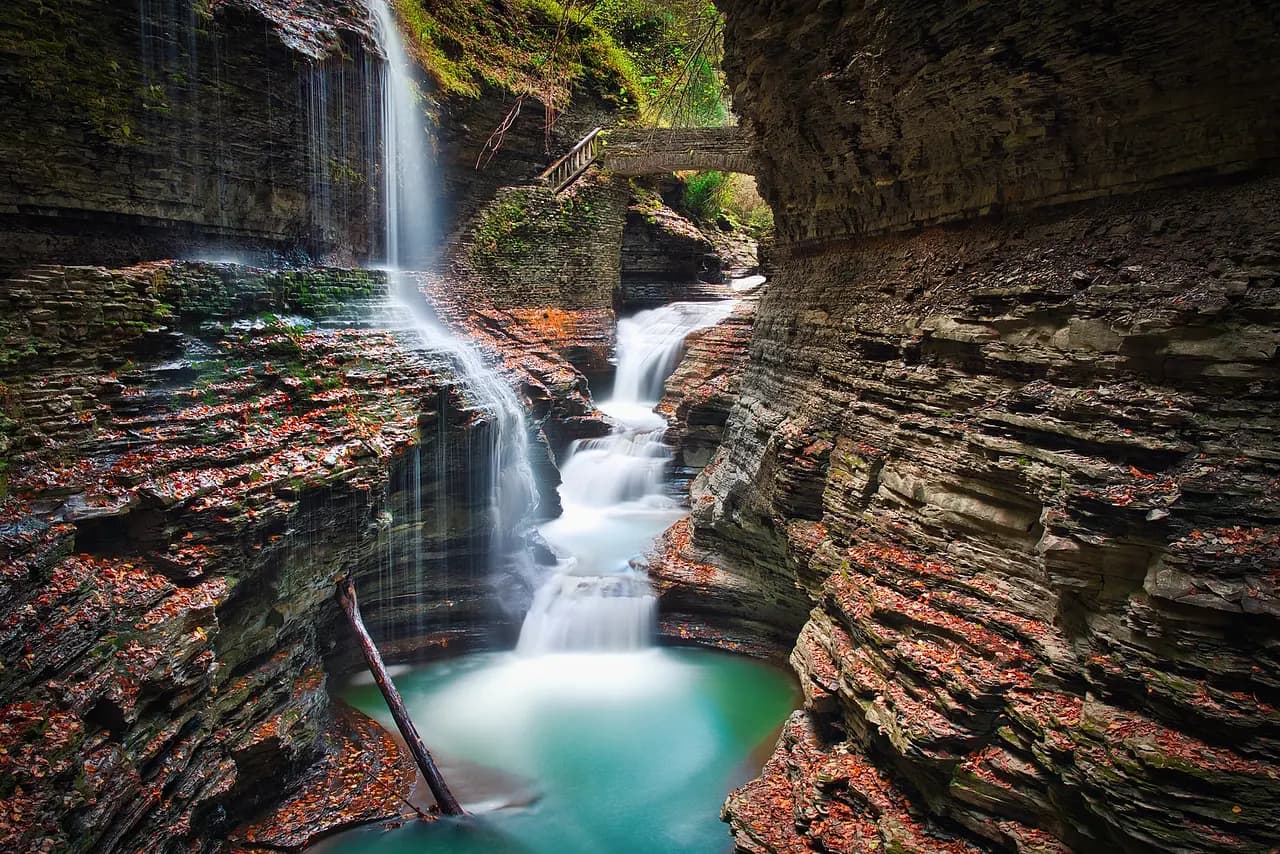
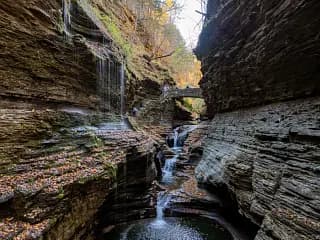
Geneva anchors the north with a real downtown, Hobart and William Smith Colleges on the lakefront, and the Cornell Experiment Station where the wine region's modern history was made. Watkins Glen anchors the south with the best gorge trail in the Finger Lakes and a village that has been drawing visitors since the 1840s. Between them: 28 wineries on the Seneca Lake Wine Trail, two shore roads, and the steepest east-facing shale slopes in the region.
The Towns
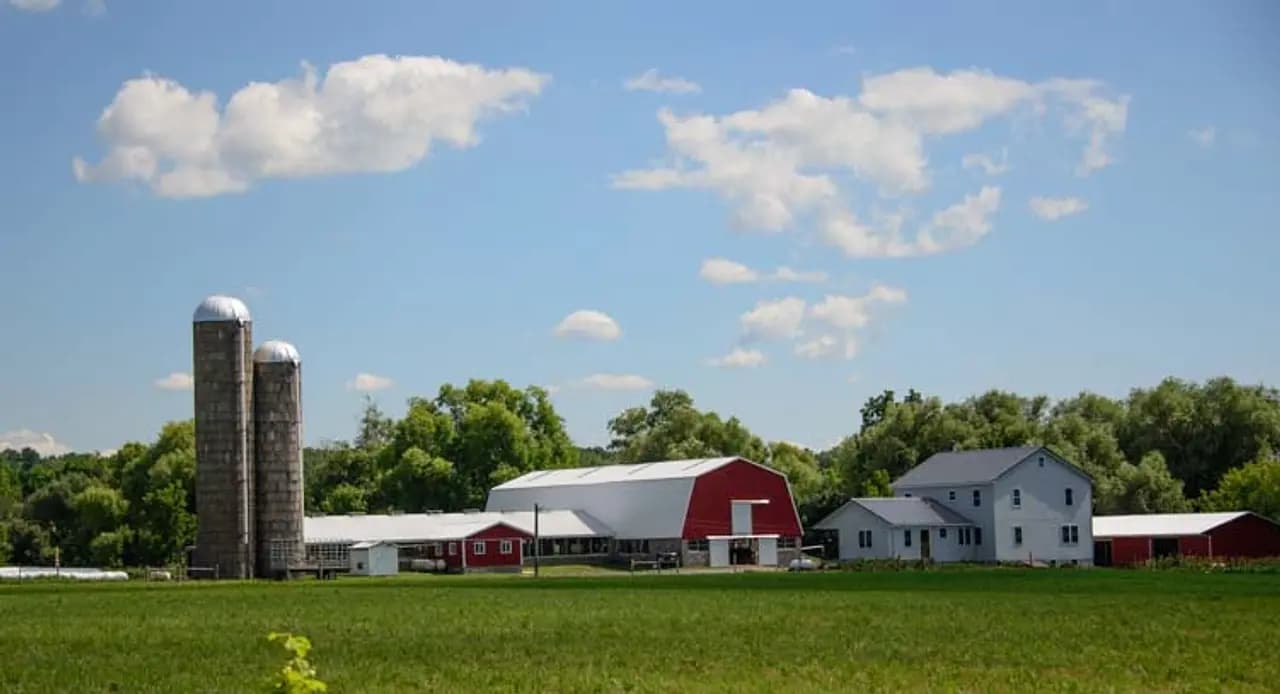
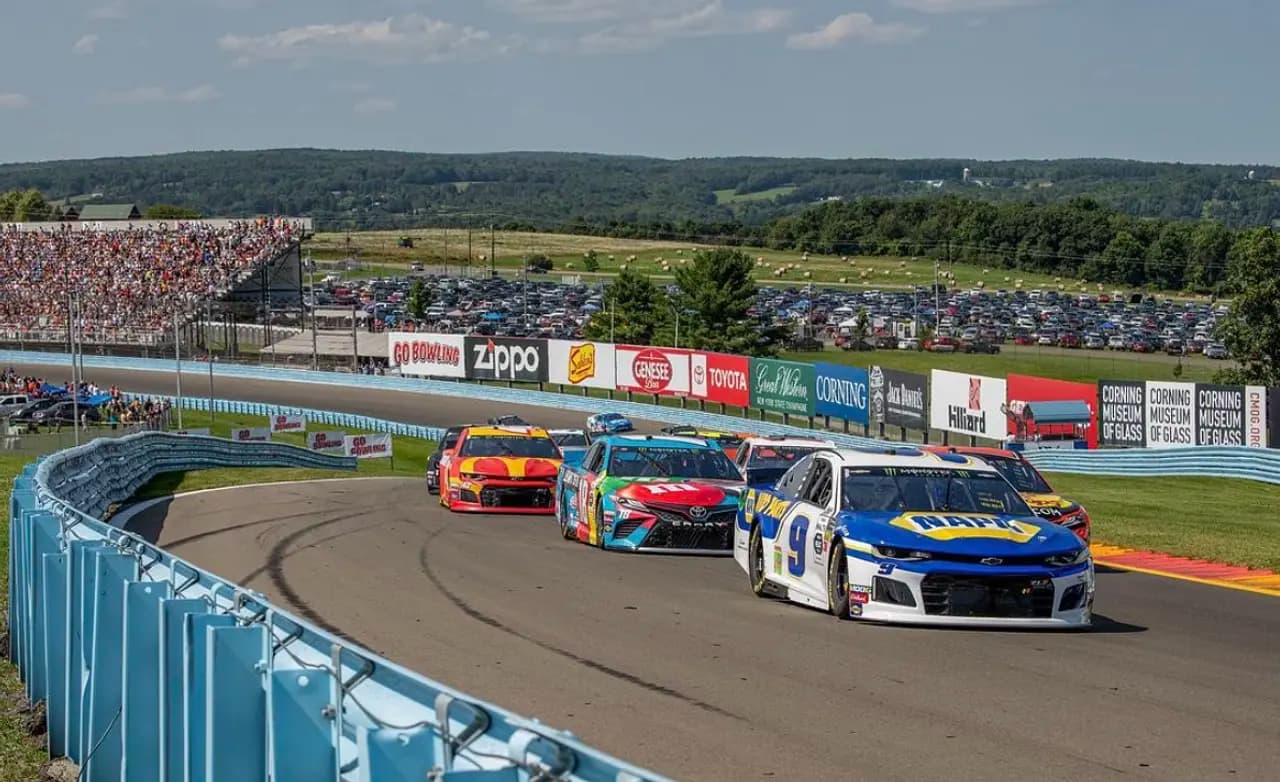
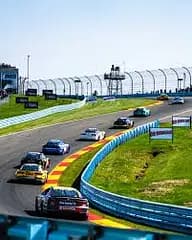
Geneva anchors the north with colleges and a downtown that has functioned as a downtown since before the Erie Canal was built through it in 1825. Watkins Glen anchors the south with a gorge and a racing history it carries without strain. The east-shore towns, Burdett, Hector, Lodi, are wine country in its working form. Dundee sits mid-lake on the west shore with a benchmark winery that belongs on any serious list.
Planning Your Trip
4 hours from New York City via I-86 to Route 14. Syracuse Hancock Airport is 1 hour northeast; Rochester Airport is 1 hour northwest. A car is required.
Route 14 runs the west shore from Watkins Glen north through Rock Stream, Dundee, Himrod, to Geneva. More producers, more traffic. Route 414 runs the east shore north through Burdett, Hector, and Lodi. Quieter, steeper, the better second day. The two roads connect at Geneva on the north end and Watkins Glen on the south.
Two days minimum to run both shores properly. Three days if you want the gorge at Watkins Glen, the heritage sites near Seneca Falls, and time at the east-shore wineries without rushing.
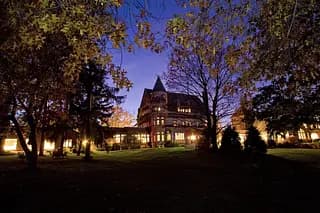
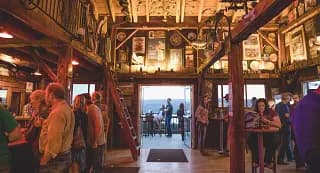
Geneva anchors the north end with the most lodging options and a walkable downtown. Watkins Glen anchors the south and puts you closest to the gorge. Glenora Wine Cellars on the west shore is the only mid-lake overnight.
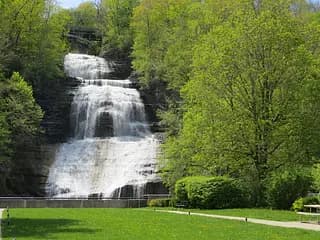
Spring is the underrated window. The gorge trail opens in mid-May, snowmelt runs the falls hard through April, and the tasting rooms are quiet enough that winemakers have time to talk.
No image available




No image available
No image available



No image available

No image available
No image available


No image available
No image available