
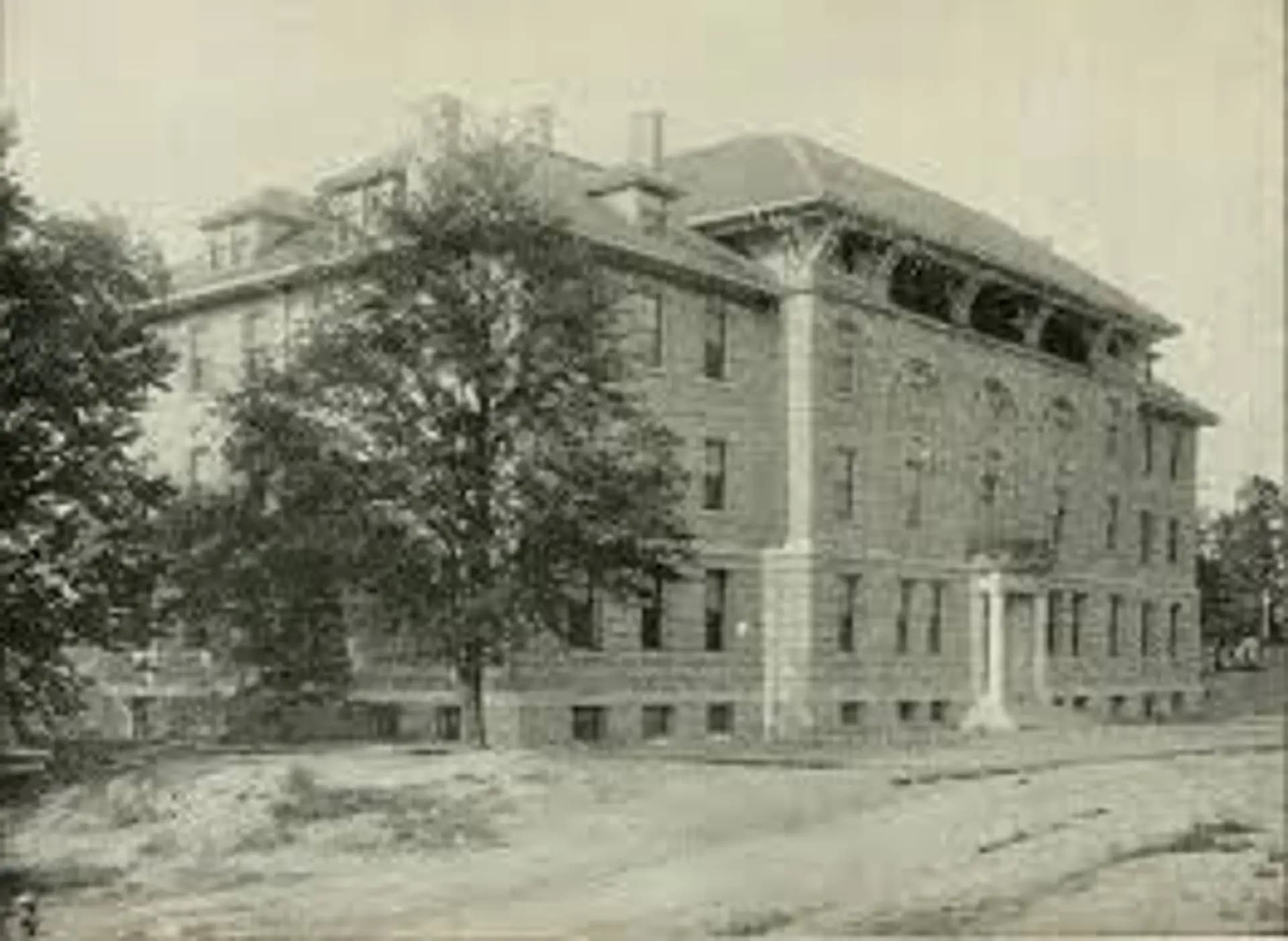
New York State Agricultural Experiment Station
The research station that made the Finger Lakes wine region possible
Cornell's New York State Agricultural Experiment Station spent decades insisting European wine grapes could not survive Finger Lakes winters. In 1951, Konstantin Frank, a Ukrainian viticulturalist who had spent his career working in colder conditions, ran the experimental plantings that proved them wrong and changed American wine.
The Geneva Experiment Station, established in 1882 on a hilltop above the north end of Seneca Lake, was the scientific authority on what could and could not grow in the Finger Lakes. Its conclusion, repeated for decades: European vinifera varieties could not survive the winters at this latitude. Konstantin Frank arrived in Geneva in 1951 as a newly immigrated Ukrainian viticulturalist who had spent his career in conditions colder than anything the Finger Lakes could offer. He ran his experimental vinifera plantings at the Station under the supervision of Charles Fournier of Gold Seal Winery. The trial vines survived. The commercial estate he subsequently planted on Keuka Lake's west shore became Dr. Konstantin Frank Winery, and the oldest Riesling vines in the eastern United States are still producing there today. The Station's research campus on West North Street in Geneva is open to visitors year-round; the ornamental grounds include trial plantings representing current research, and the history of the Frank collaboration is documented in the Station's public archives.
Explore More Listings

Aurora Brewing Co
Food Drink
A Cayuga Lake brewery and restaurant in King Ferry with a deck overlooking the water, hay fields, and vineyards, plus outposts in Rochester and Syracuse.
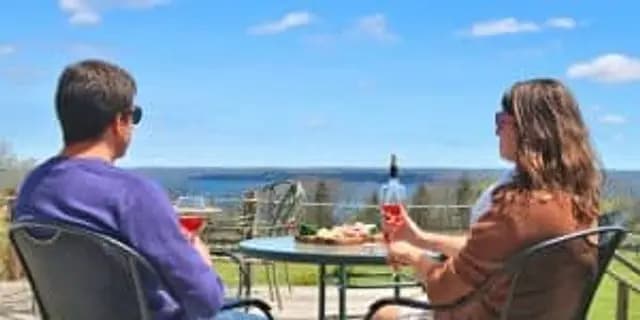
Buttonwood Grove Winery
Food Drink
Estate lakeside tasting room with cabins on the property
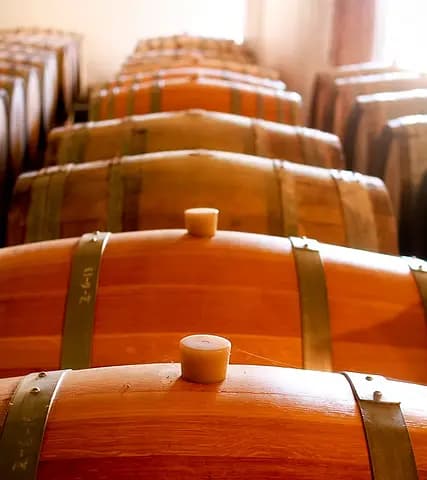
Cayuga Ridge Estate Winery
Food Drink
A founding member, a gothic barn, and The Copper Oven pizza
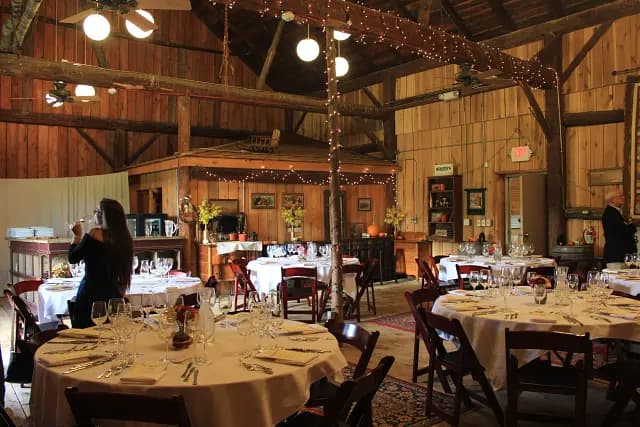
Hosmer Winery
Food Drink
70-acre sustainable estate on the western shore
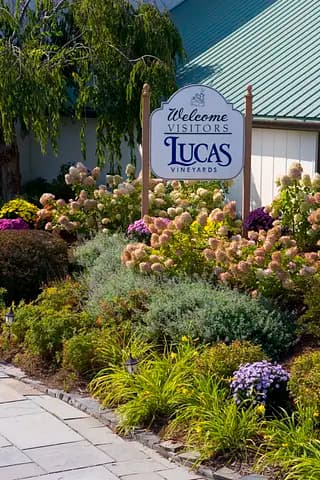
Lucas Vineyards
Wine
Lucas Vineyards is a winery located in Interlaken, Seneca County, featured on the Cayuga Lake Wine Trail.
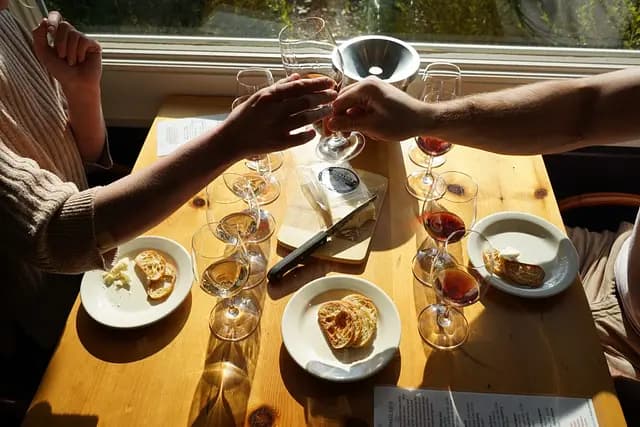
Sheldrake Point Winery
Food Drink
Gold Coast limestone soils, dock parking available
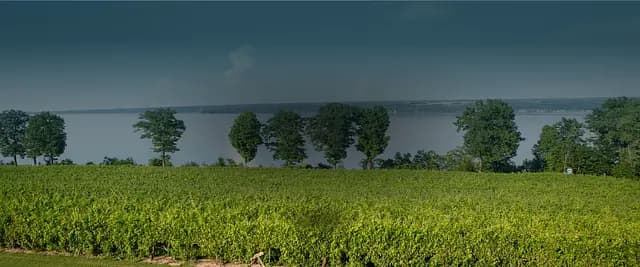
Thirsty Owl Wine Company
Food Drink
Walk-in and boat-accessible, with an on-site bistro
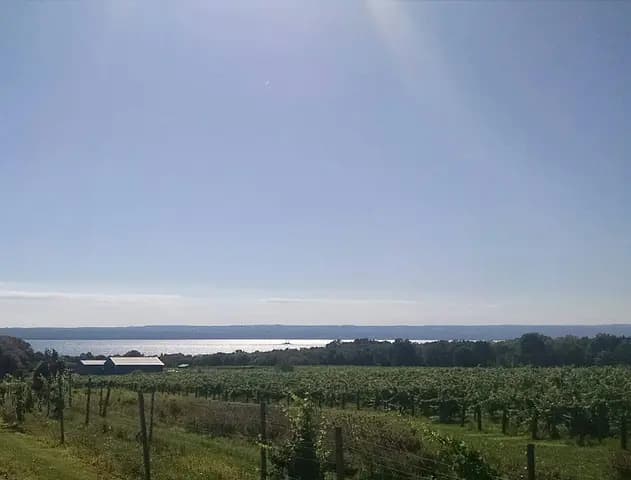
Seneca Shore Wine Cellars
Food Drink
The winery that sold its grapes to other Finger Lakes producers for 19 years before deciding to bottle the Gold Medal Riesling itself.
Anthony Road Wine Company
Food Drink
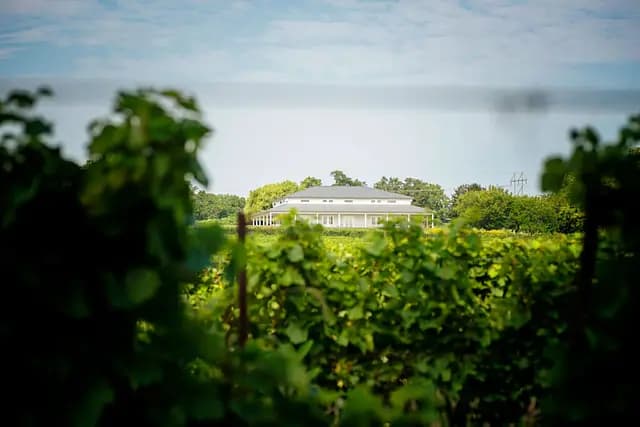
The Martini family's Penn Yan operation since 1989, where the Riesling and Gewurztraminer program is serious enough that reservations are strongly encouraged and group size caps at six.
Miles Wine Cellars
Food Drink
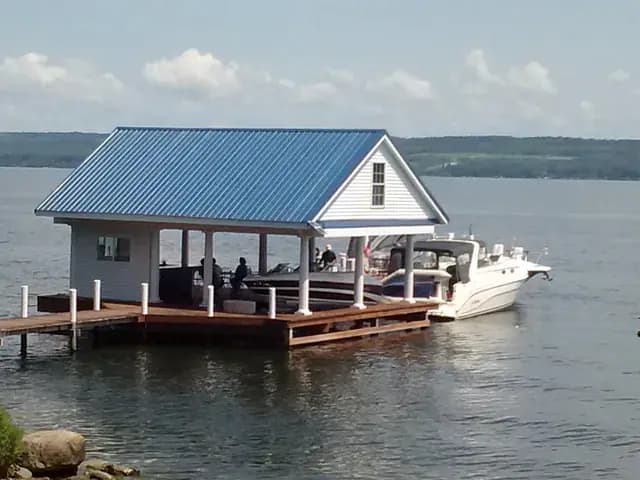
A west-shore winery on a quiet road above Himrod that earns the detour most Route 14 visitors never take.
Glenora Wine Cellars
Food Drink
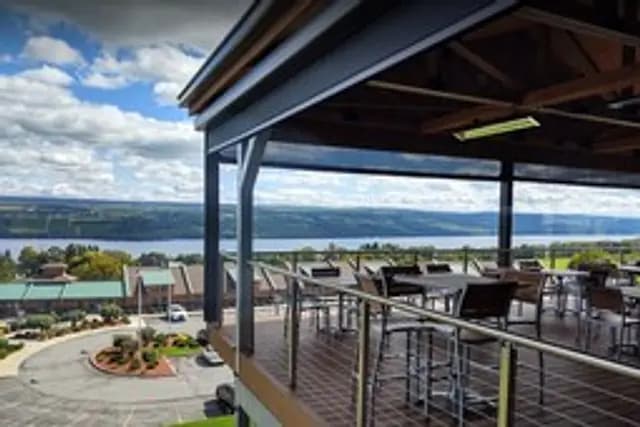
Glenora Wine Cellars offers a picturesque venue for weddings with vineyard views, luxurious accommodations, and exceptional service.
Fulkerson Winery
Food Drink
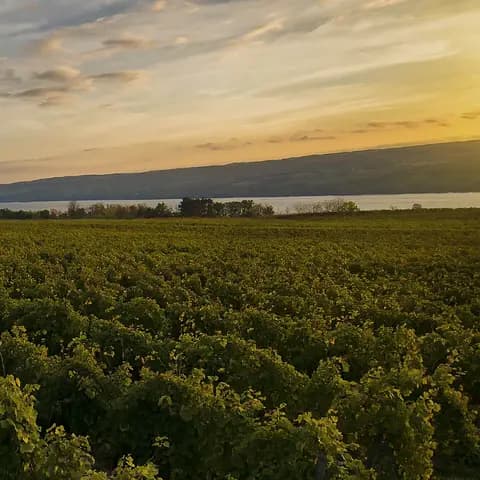
A west shore Seneca Lake farm with roots going back to 1805, where seventh-generation winemaker Sayre Fulkerson also supplies grape juice to home winemakers across the country.
Toast Winery
Food Drink
A dry-vinifera operation on the east shore where the winemaking steps aside and the Seneca Lake AVA does the work.
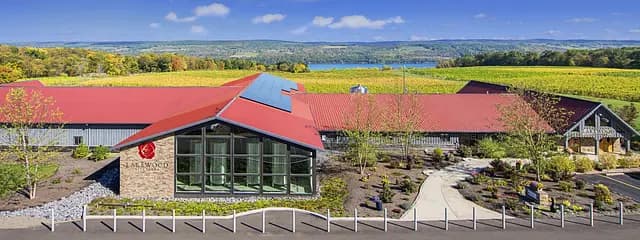
Lakewood Vineyards
Food Drink
Three generations of Stamps have been farming the west side of Seneca Lake since 1952, opening the winery in 1989 and growing it to 80 acres without leaving the family.