The Long and Short of it
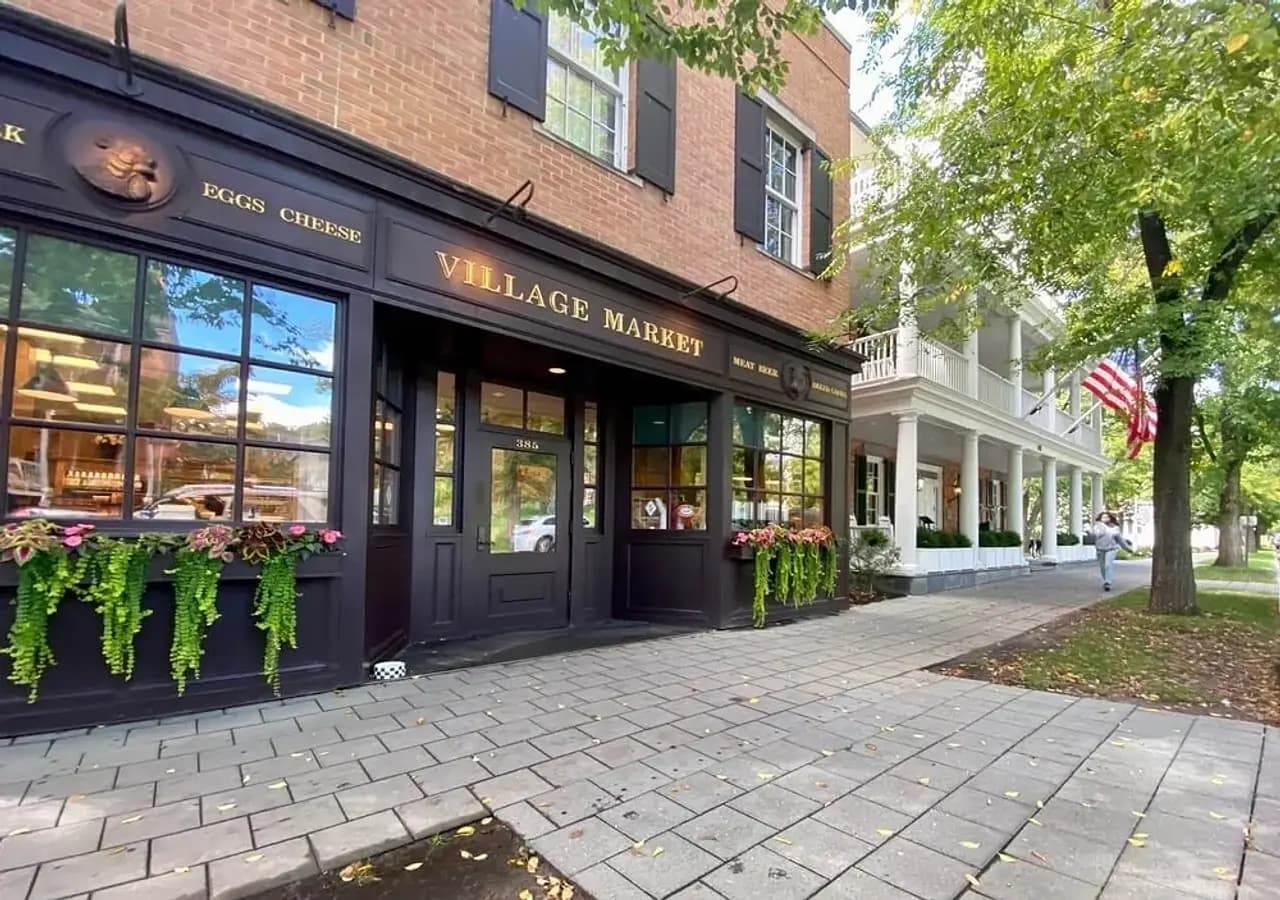
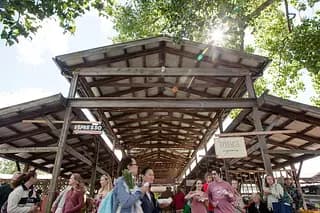
Cayuga is the longest lake in the region and the one that rewards people who stay more than two nights. The reform corridor between Auburn and Seneca Falls is the most historically consequential fifteen miles in New York State: Harriet Tubman, William H. Seward, Elizabeth Cady Stanton, and Frederick Douglass all operated within thirty miles of each other. Base in Ithaca or Aurora, run the east shore on day two, and plan at least one morning at the Ithaca Farmers Market before you do anything else.
Heritage Sites
The Cayuga Nation inhabited and cultivated this lake for centuries before European contact. They called it Tiohero. They managed the forest understory with fire, maintained orchards, and operated a sophisticated agricultural system along the lakeshore. The Sullivan-Clinton Campaign of 1779 destroyed forty Haudenosaunee towns, burning approximately 160,000 bushels of corn and cutting down orchards throughout the region in a scorched-earth operation ordered by George Washington. The Treaty of Canandaigua of 1794 was signed with the Six Nations at the north end of Canandaigua Lake and is still honored on November 11 each year. The Cayuga Nation today maintains governmental headquarters in Union Springs, on the east shore of the lake that bears their name.
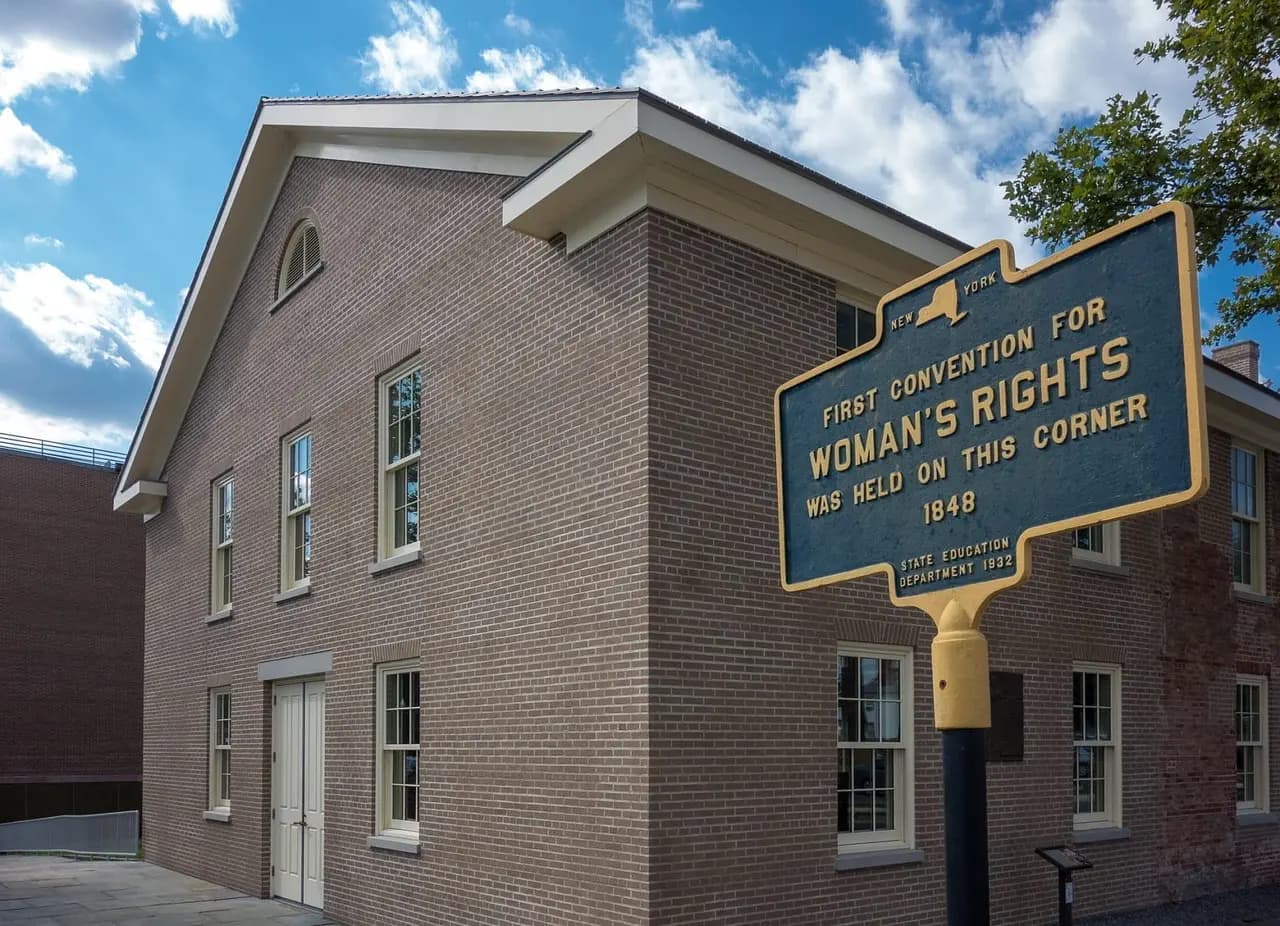
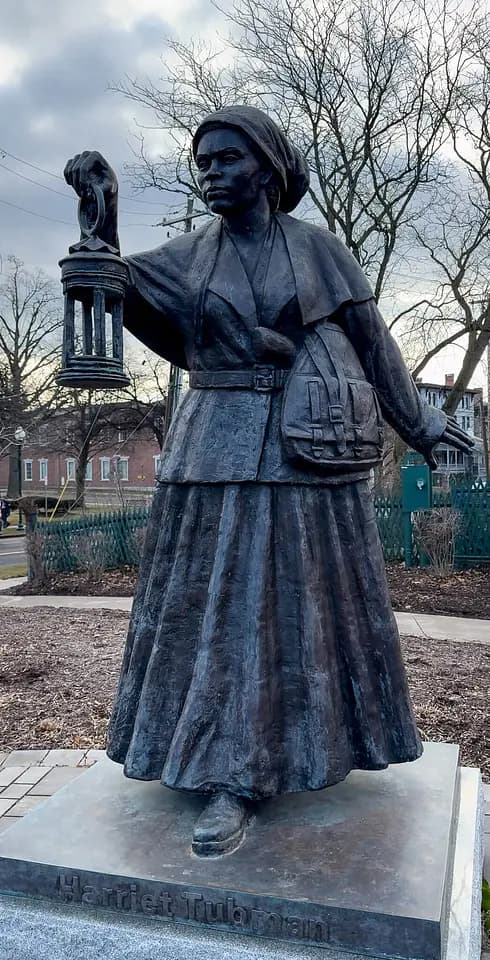
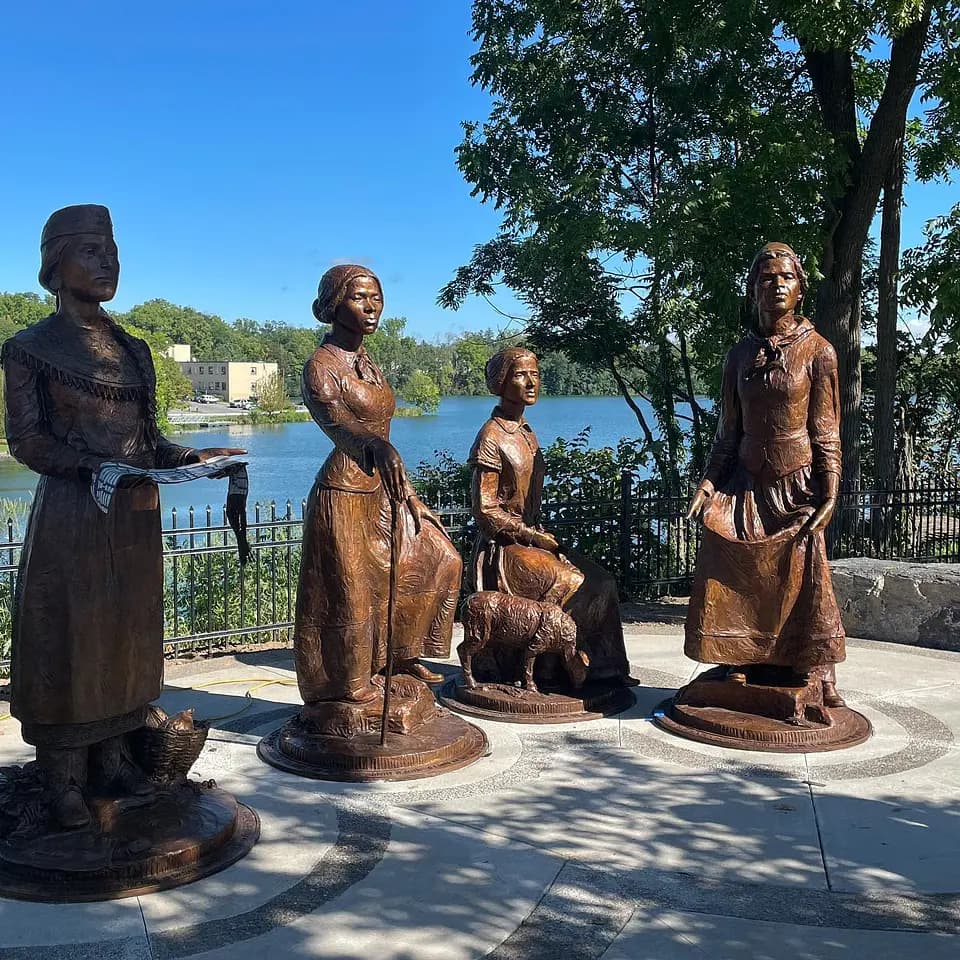
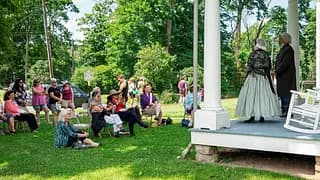
The reform corridor along the northern lake is the most concentrated geography of 19th-century American reform history anywhere in the country. Within thirty miles, between approximately 1830 and 1870: Harriet Tubman made Auburn her home and base of operations; William H. Seward ran the private Underground Railroad support network from his house two blocks away; Elizabeth Cady Stanton organized the 1848 convention in Seneca Falls that launched the American women's suffrage movement; and Frederick Douglass was a regular visitor to the Seward household and present at the 1848 convention, where he made the argument that secured the suffrage resolution by its narrowest margin. These individuals knew each other, corresponded with each other, and operated through the same networks. They were not parallel stories.
Cayuga Wine
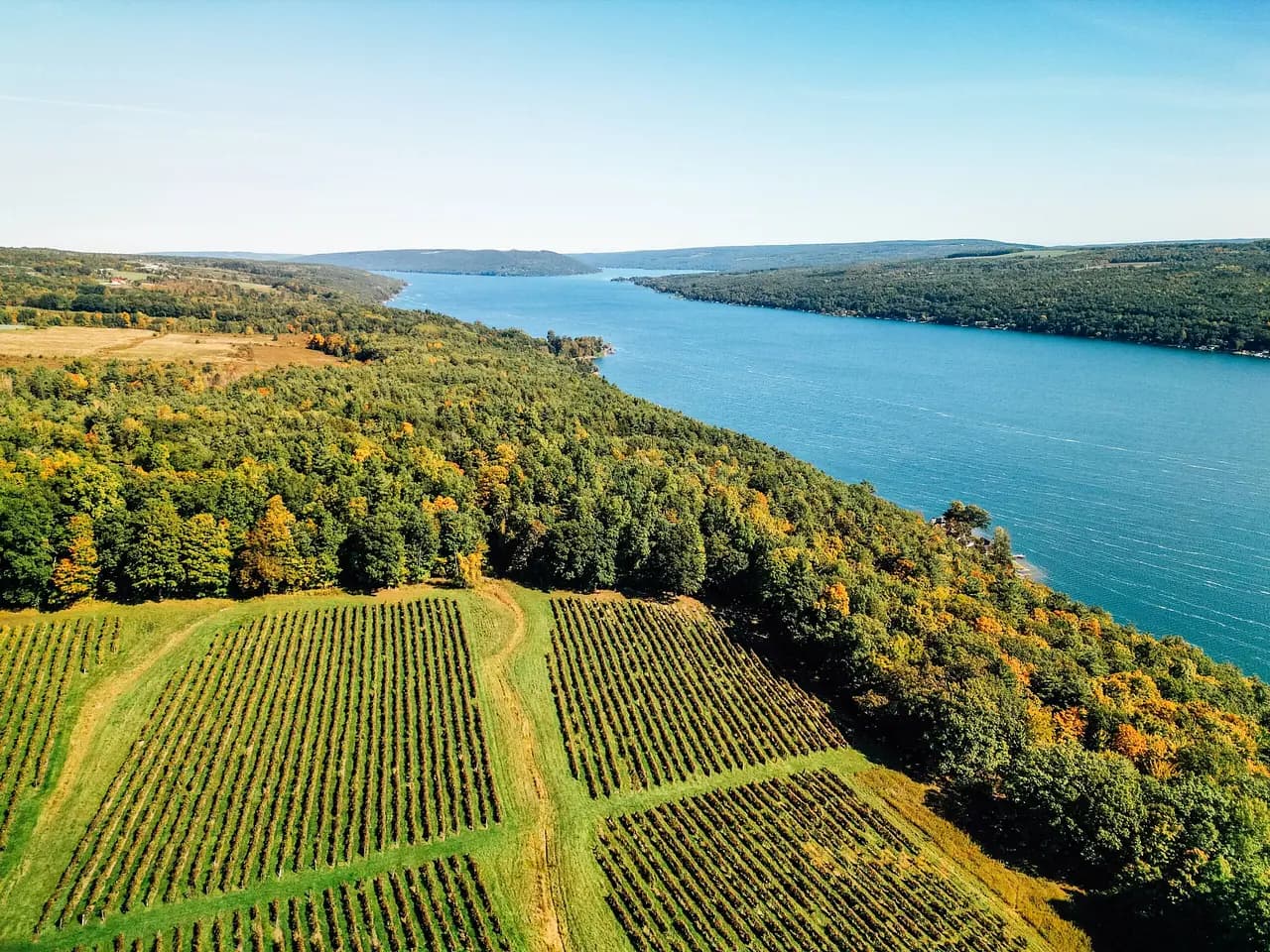
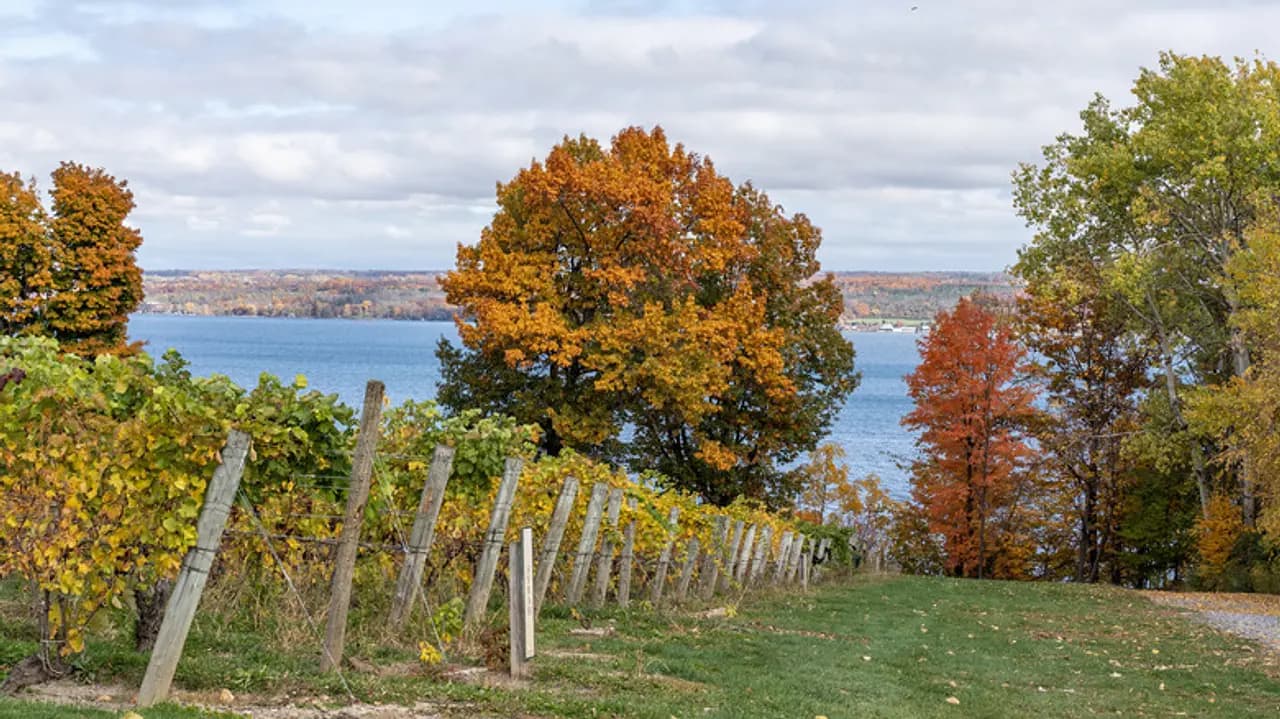
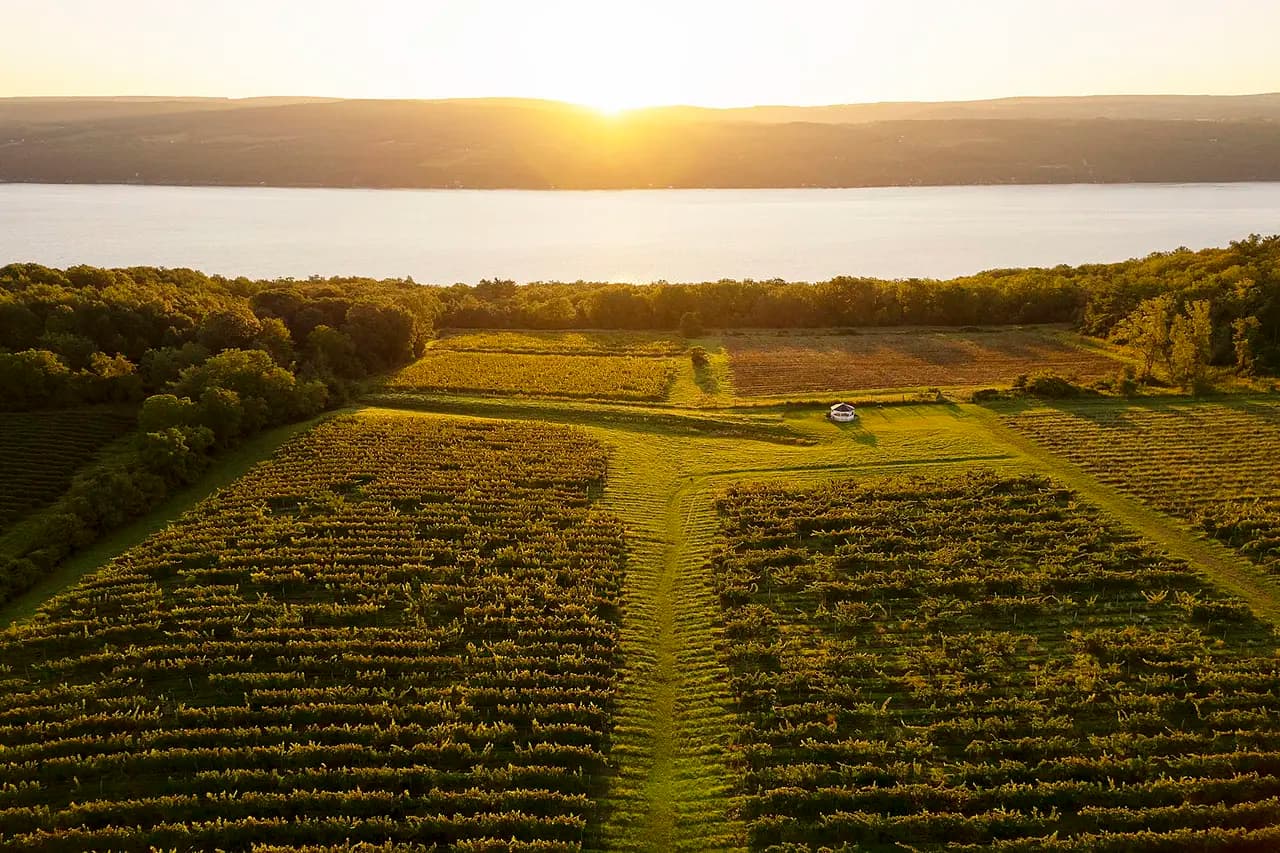
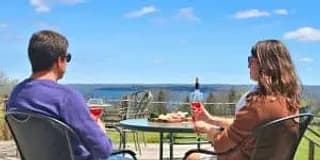
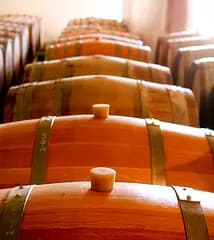
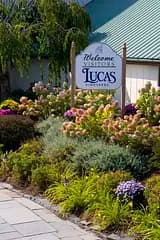
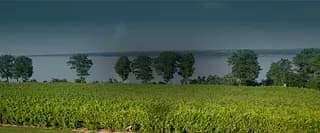
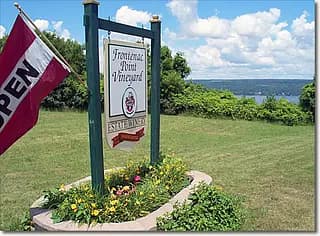
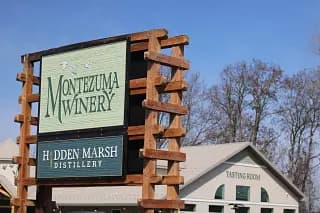
The Cayuga Lake Wine Trail was founded in 1983 by five producers: Americana Vineyards, Cayuga Ridge (then Plane's Cayuga Vineyards), Frontenac Point, Lucas Vineyards, and Lakeshore Winery. It was the first organized wine trail in the United States. The founding claim was audacious at the time: that the thermal mass of the lake and the shale-and-limestone soils of the surrounding slopes could produce wine competitive with the northeast's best. The Cayuga Lake AVA was recognized in 1988. Producers here have developed particular authority in Riesling, Gewürztraminer, Pinot Noir, and Cabernet Franc.
Approach
West shore: Route 89 north from Ithaca through Trumansburg, Interlaken, and Romulus. More producers, more established names, the farm corridor running alongside. East shore: Route 90 north through Aurora, King Ferry, and Union Springs. Fewer stops, more space, producers who see fewer visitors and have more time to talk. A full circuit takes two days done properly: one shore per day, with a night in Ithaca or Aurora between. Tasting rooms run full hours May through November; call ahead November through April.
Outdoors
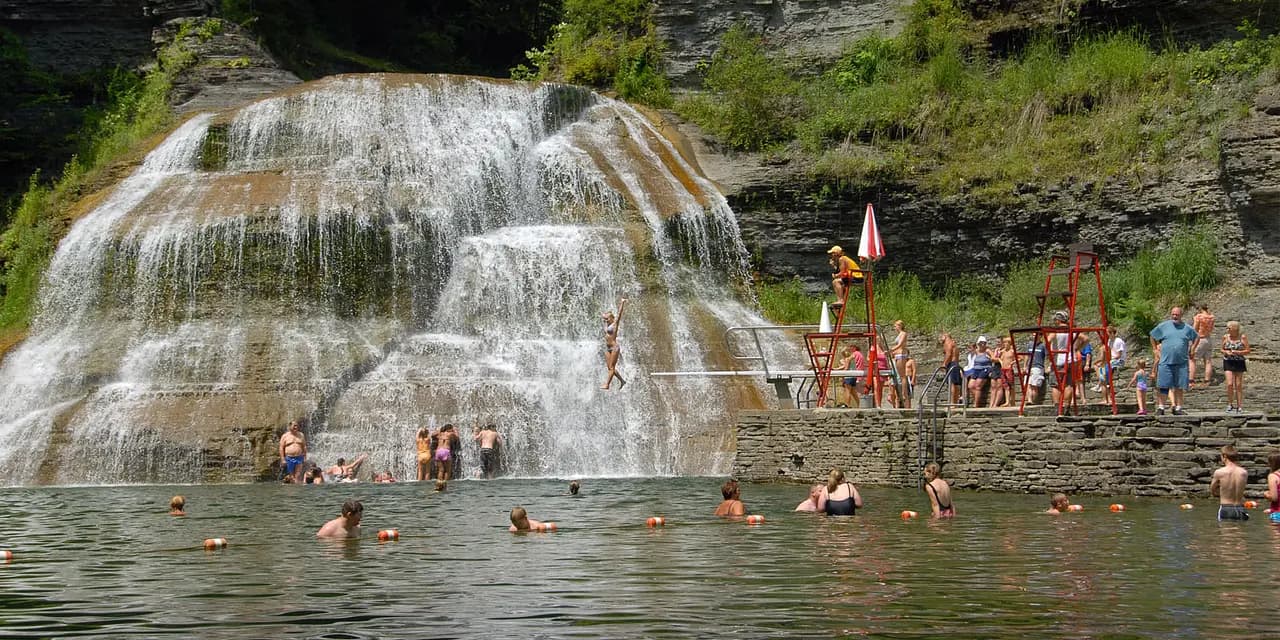
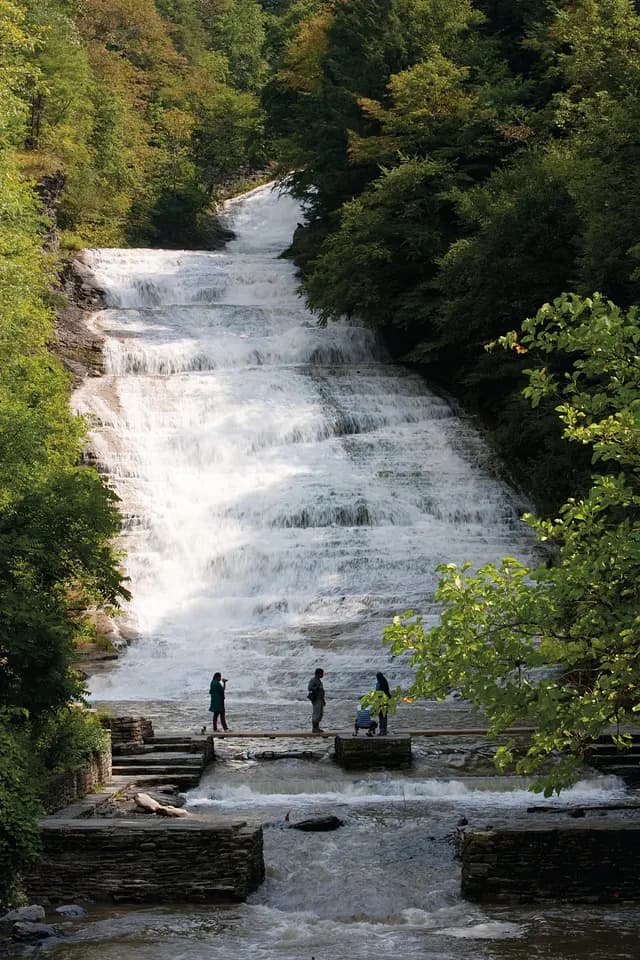
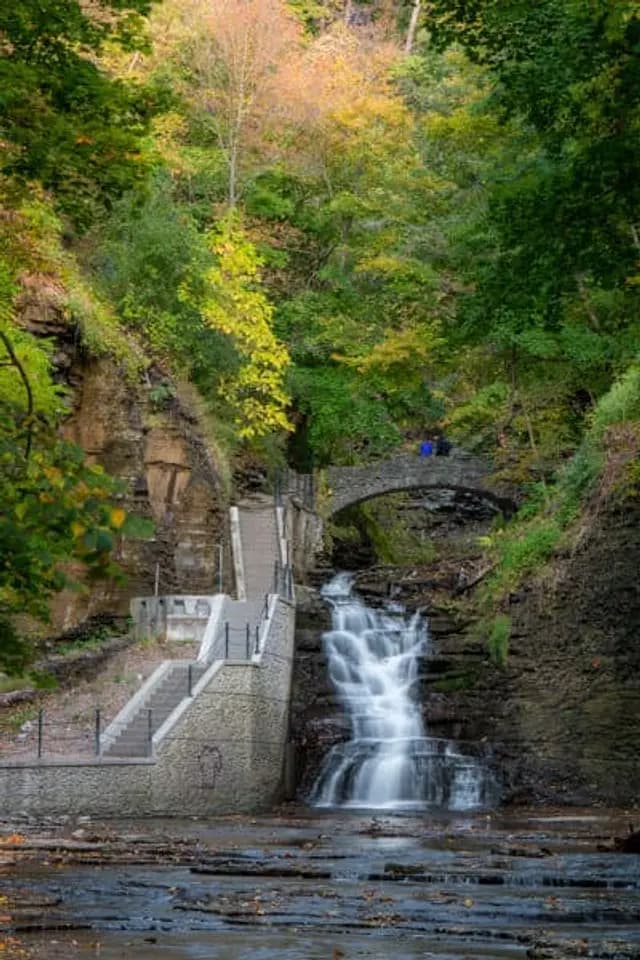
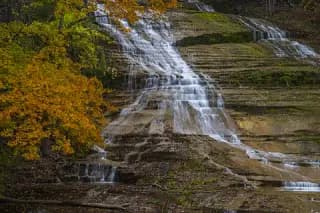
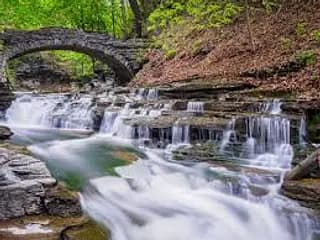
The southern end of Cayuga Lake is the most gorge-dense concentration in the region. Within ten miles of Ithaca, four separate gorge systems expose Devonian shale stratigraphy in different configurations. The geological story is legible from the trails: the same shale layers visible in the gorge walls are what produce the mineral structure in the lake's wines.
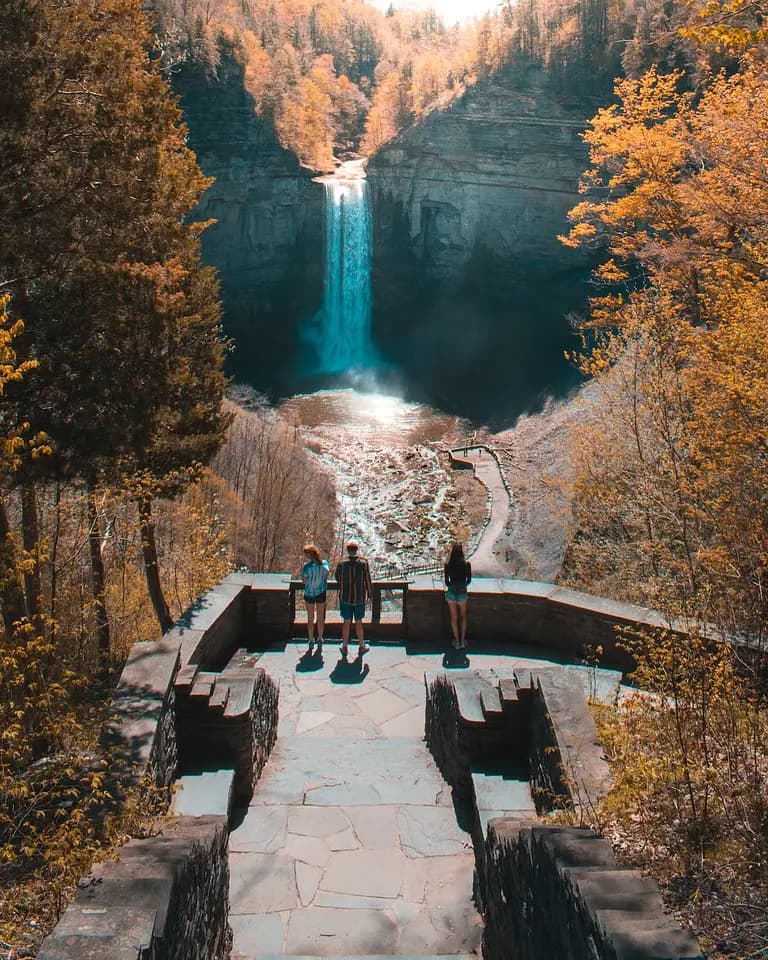
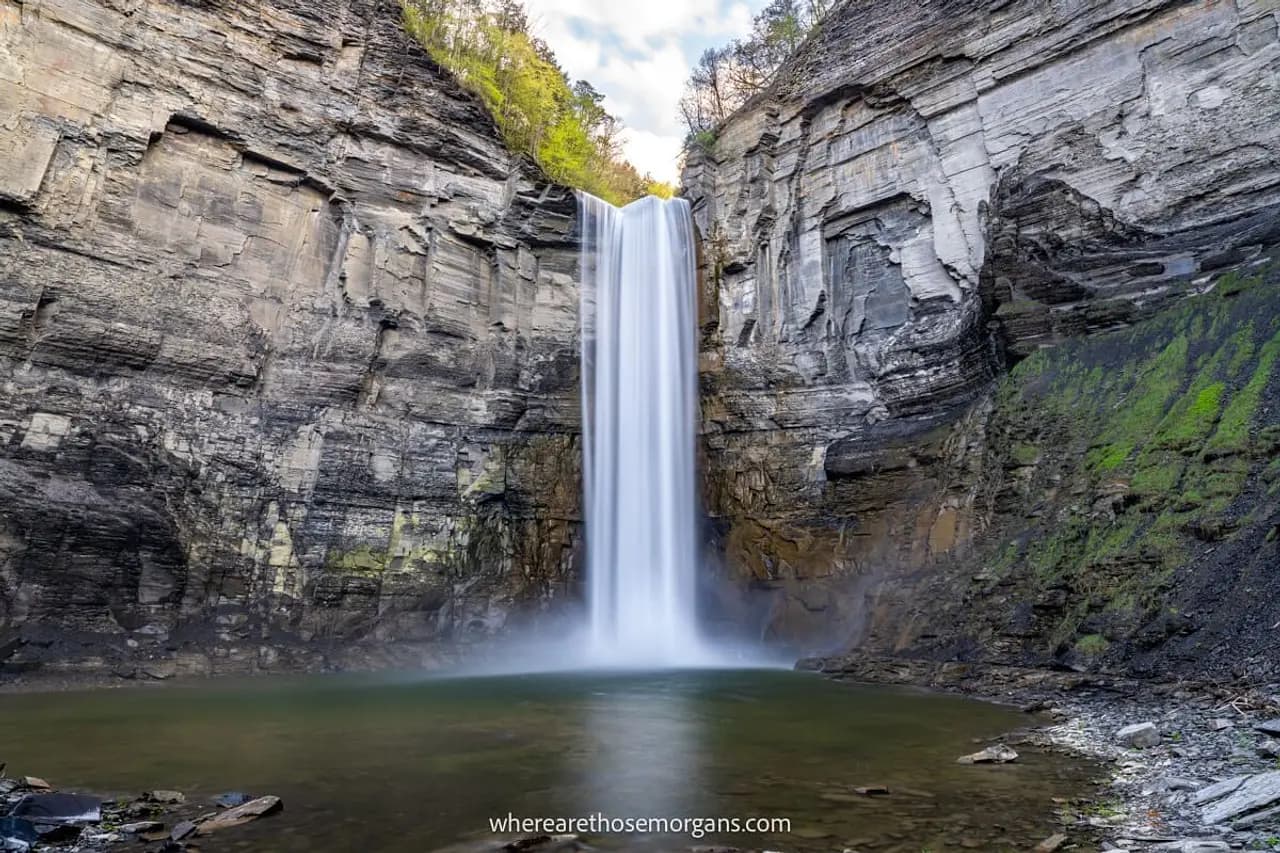
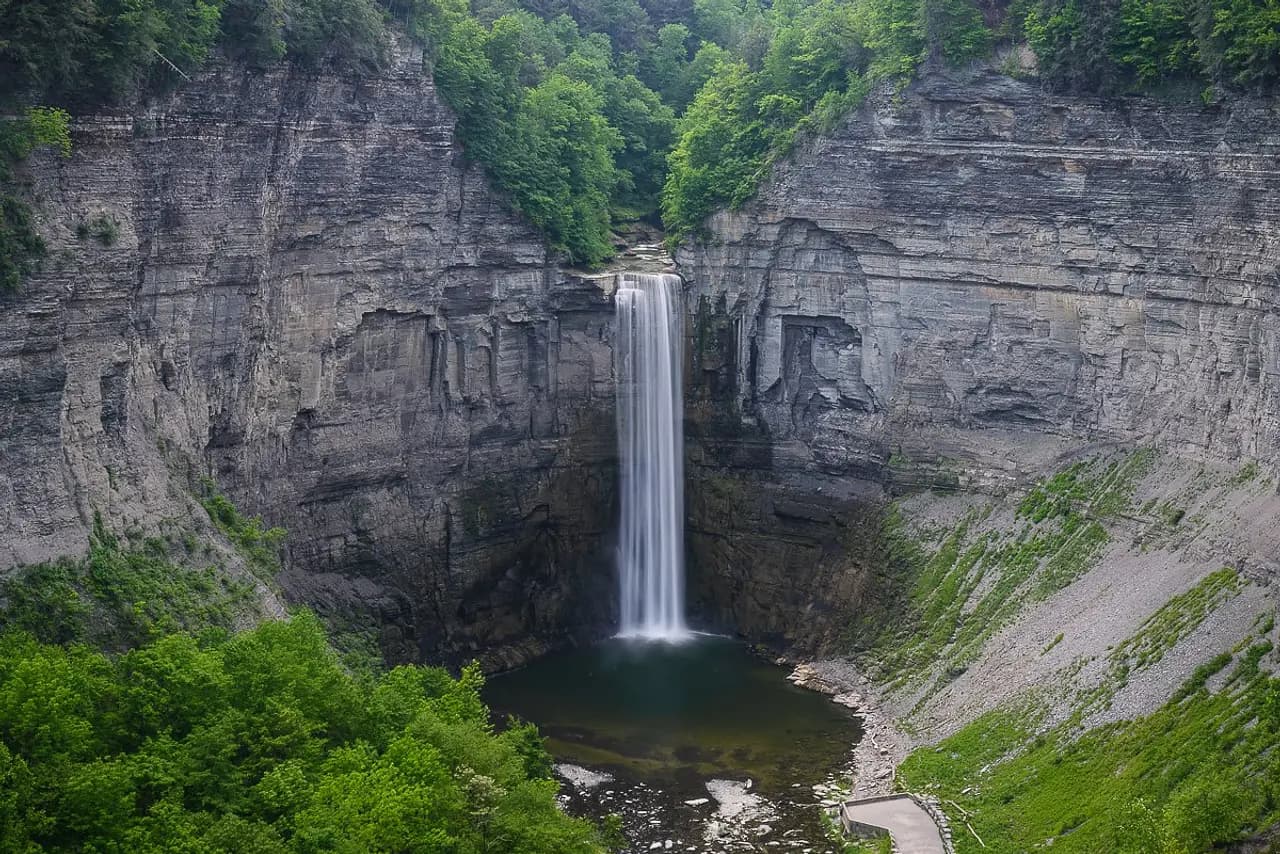
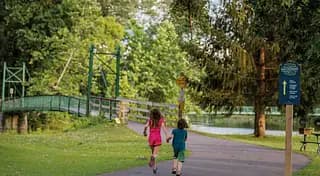
Taughannock Falls State Park holds the centerpiece: a 215-foot single-drop waterfall three stories taller than Niagara Falls, visible in its entirety from the base of a flat half-mile trail. The approach from the Route 89 parking area takes 20 minutes and is accessible to virtually everyone. Go in April for the snowmelt flow; in summer for the concert series on the marina lawn. The Black Diamond Trail connects south to the Cayuga Waterfront Trail in Ithaca: 12 flat miles along the lakeshore.
Farms
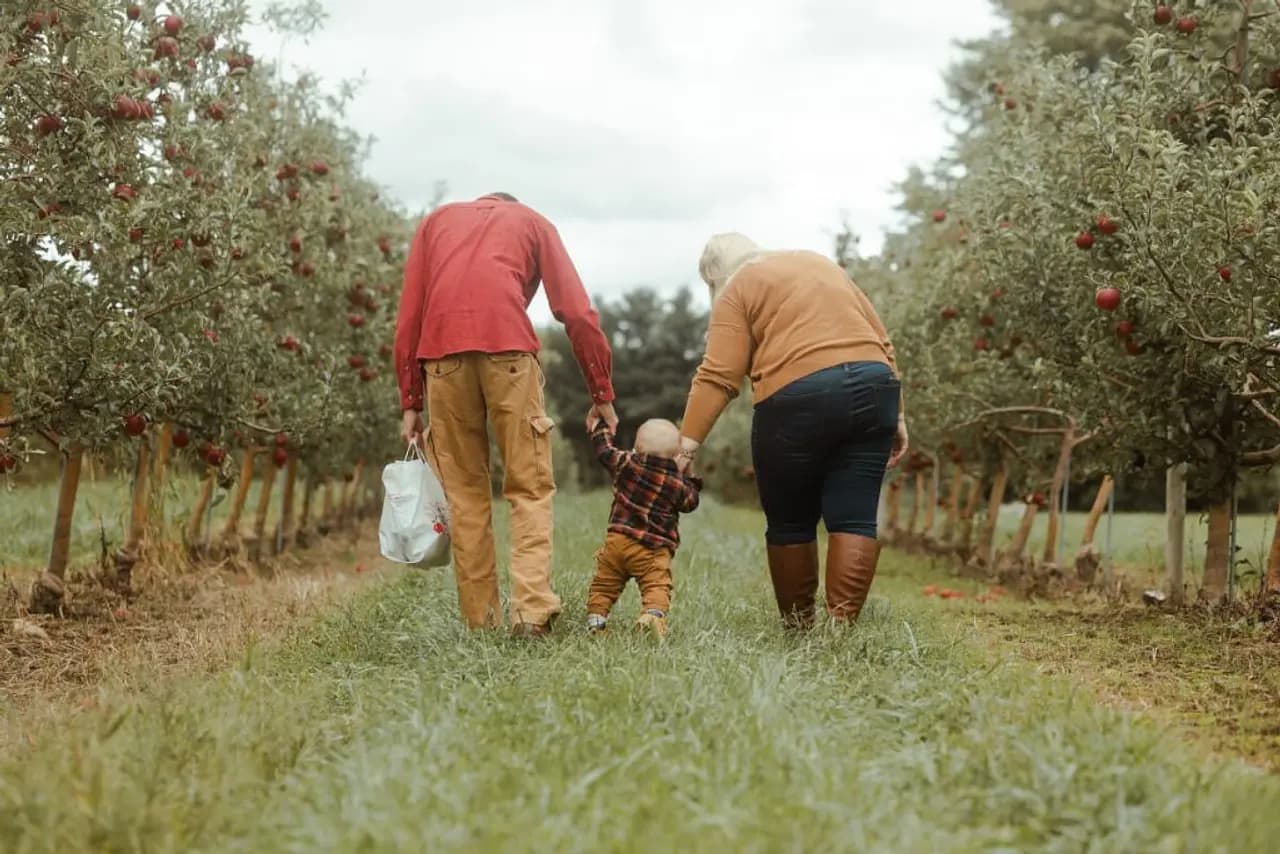
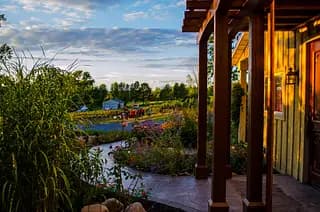
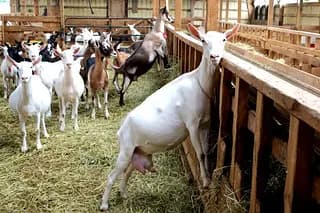
The east-shore farm corridor along Route 89 between Interlaken and Aurora is the agricultural backbone of the Cayuga Lake food system. The same glacial soil conditions that support viticulture on the slopes support stone fruit, dairy, and vegetable production in the lowland fields. The farms and the wine trail have grown alongside each other for forty years.
Towns
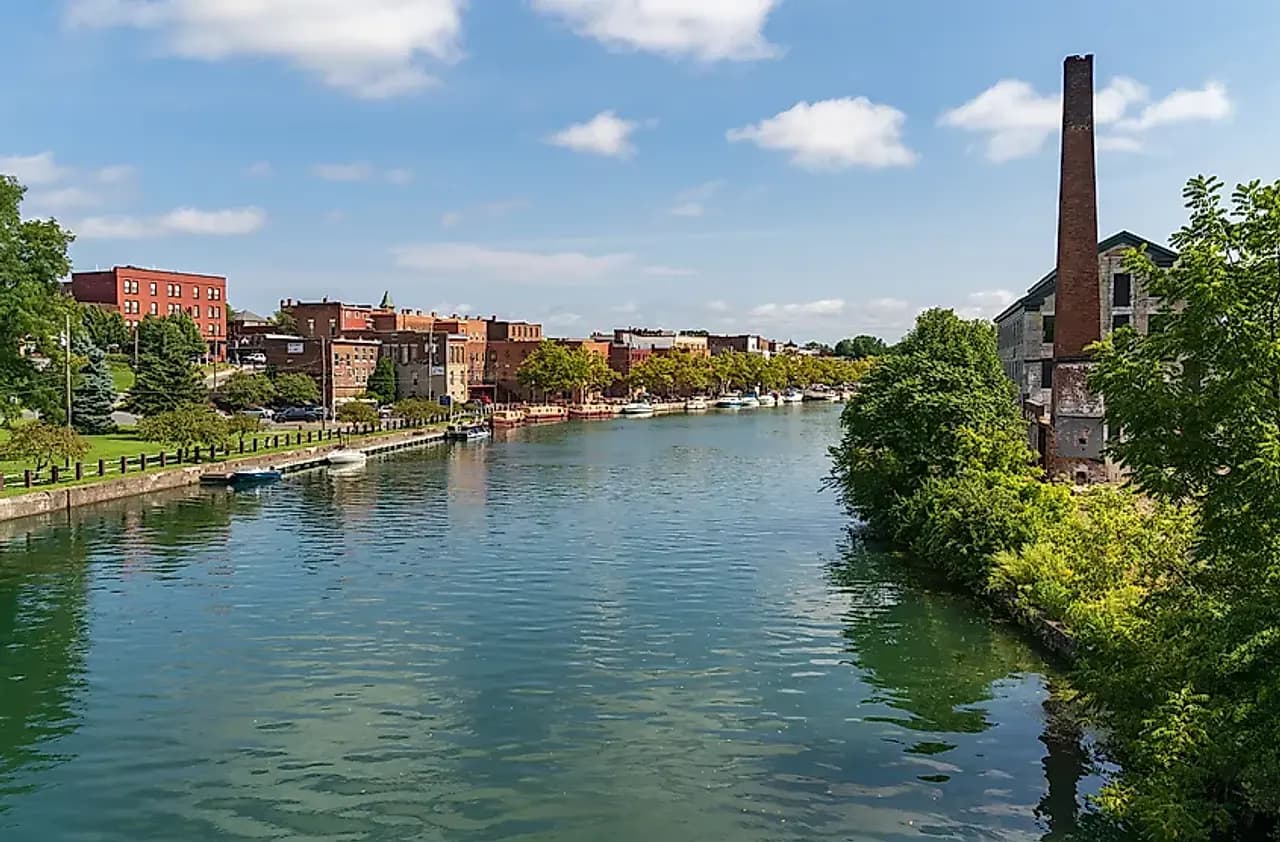
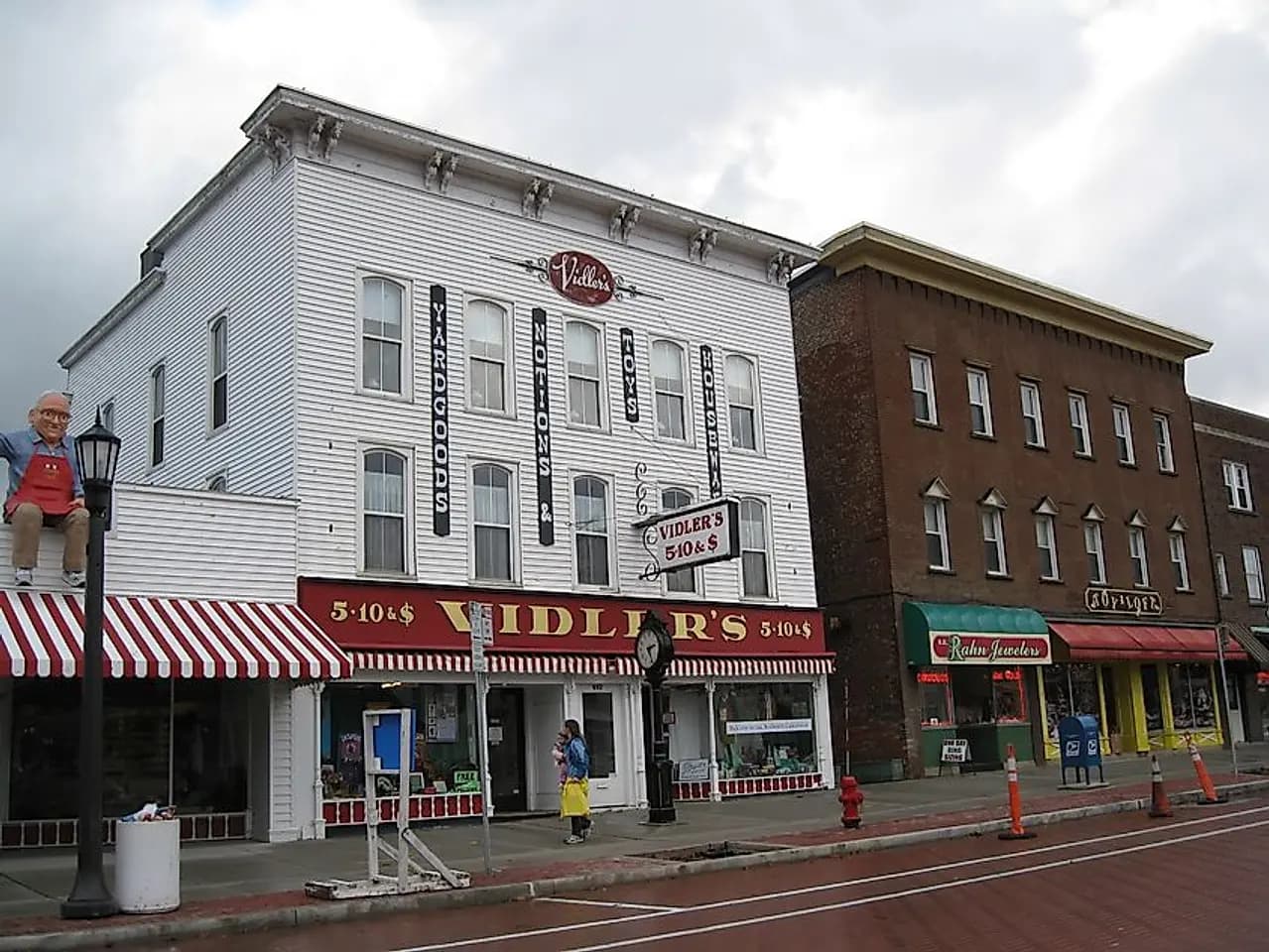
Cayuga Lake is long enough to have meaningfully different communities at different points along its shore. Ithaca anchors the south with gorge trails and universities. Auburn anchors the north with the Harriet Tubman National Historical Park and the most consequential square mile in 19th-century American civil rights history. Aurora holds the east shore's middle, modest in population and remarkable in biography.
Cayuga Lake Deep Dive
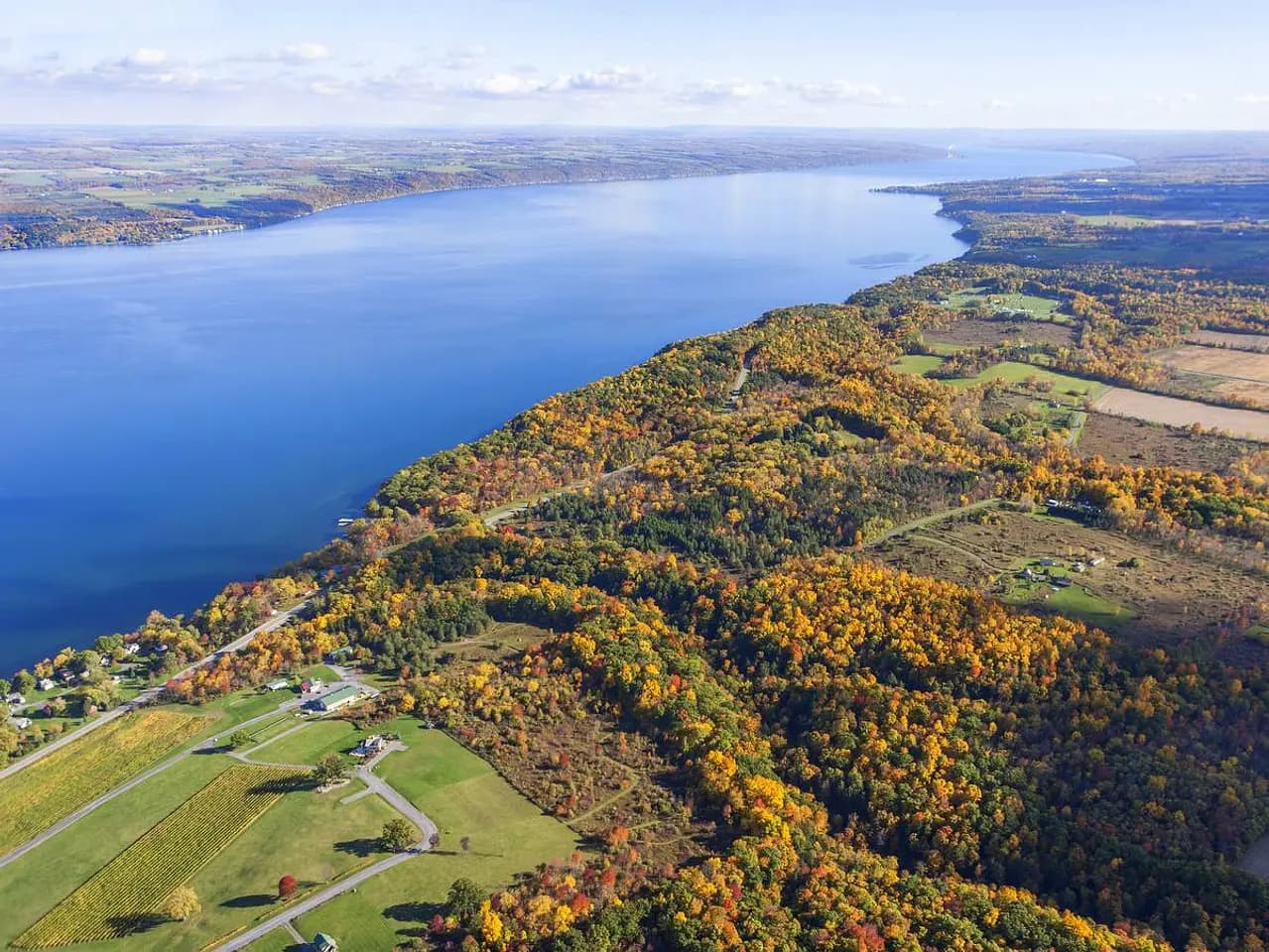
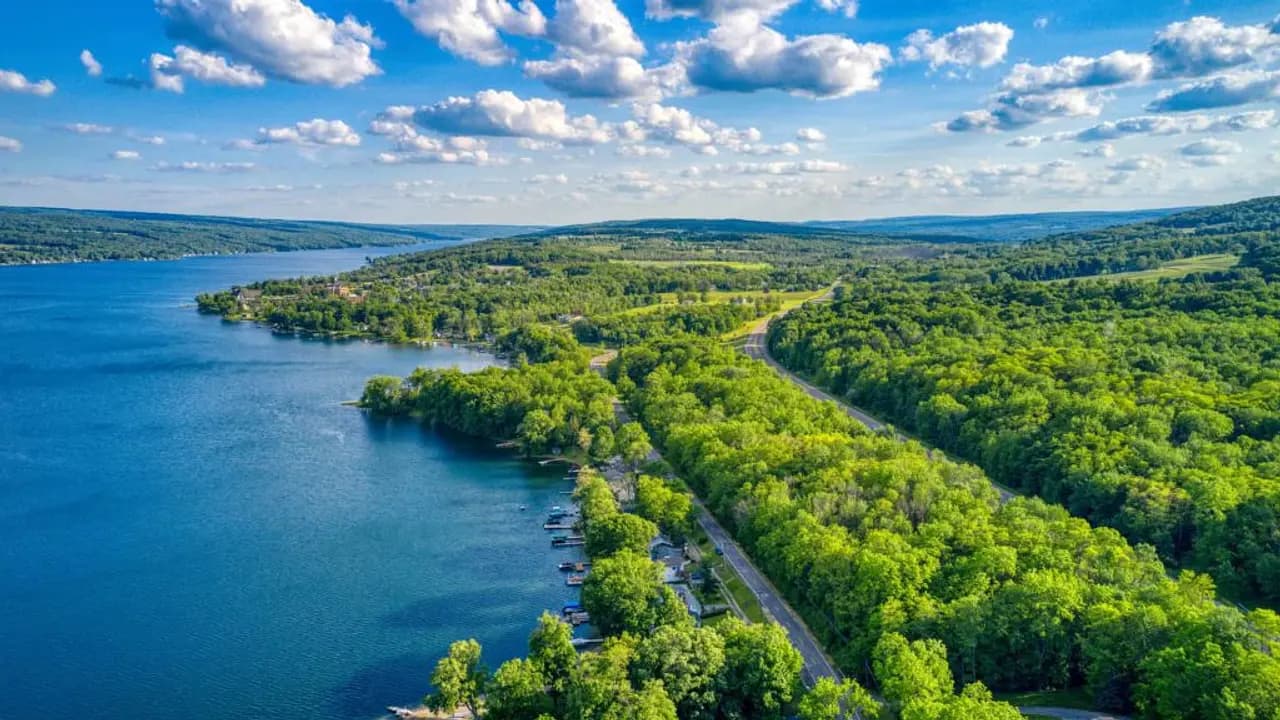
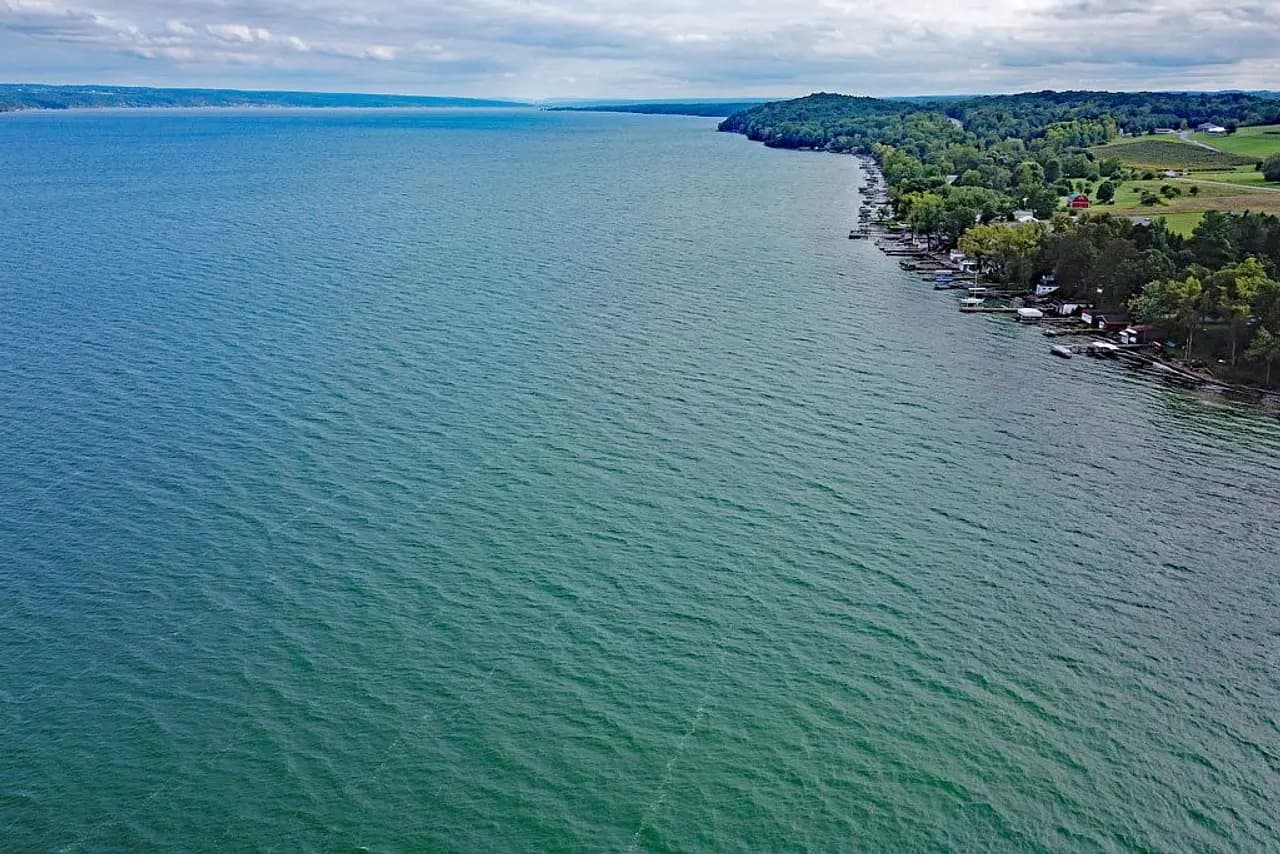
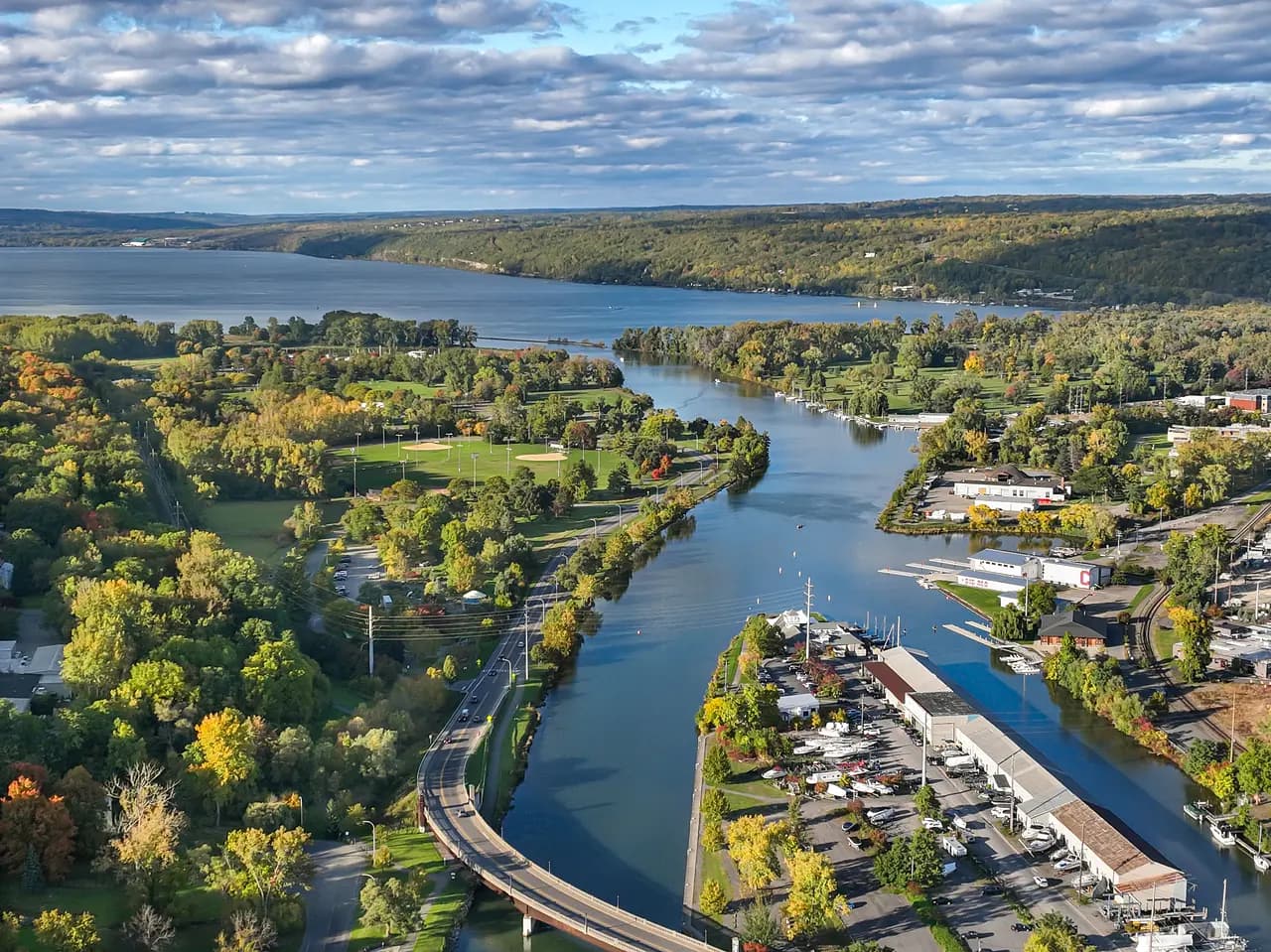
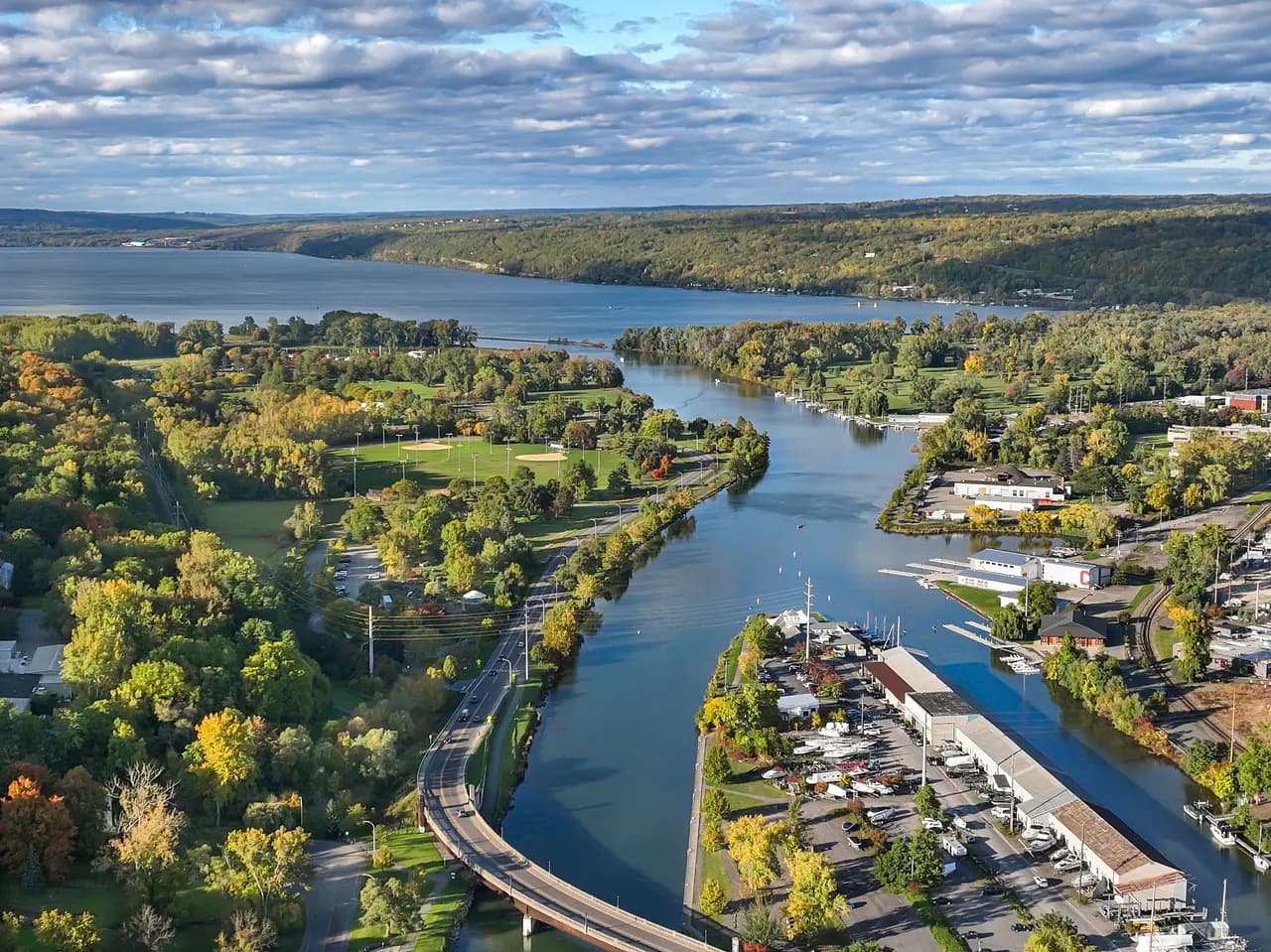
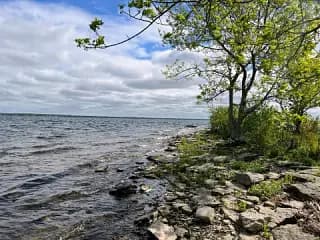
Cayuga Lake is 38.9 miles long and 435 feet deep, the longest of the eleven Finger Lakes and the second deepest. It runs north-south through three counties: Cayuga, Seneca, and Tompkins. Ithaca sits at the southern tip where the land rises sharply and the gorges begin. Auburn anchors the north, where Harriet Tubman lived for the last 54 years of her life. More than 150 waterfalls lie within ten miles of downtown Ithaca, and the glacial geology that carved the gorges is the same geology that makes the vineyards possible.
Jump In
The first European settlers arrived at the lake's southern end in the 1780s, drawn by land grants awarded to Revolutionary War veterans. Ithaca was laid out at the foot of the lake in 1804 and grew into the region's commercial and intellectual center, anchored by the founding of Cornell University in 1865. The northern end developed differently: Auburn became an industrial city whose Quaker abolitionist community made it a hub of the Underground Railroad network. Harriet Tubman settled in Auburn in 1859 and spent 54 years there. William H. Seward, her neighbor and political ally, served as Secretary of State under Lincoln and negotiated the purchase of Alaska. Thirty miles west, Elizabeth Cady Stanton organized the 1848 Seneca Falls Convention and drafted the Declaration of Sentiments. These are not separate stories: they are the same story, produced by the same network of reformers operating in the same fifteen-mile corridor.
The Cayuga Lake Wine Trail was established in 1983 as the first organized wine trail in the United States, founded by five producers who believed the lake's microclimate could support commercial viticulture. The trail now has twelve member wineries, the Cayuga Lake AVA was recognized in 1988, and the lake has become one of the defining addresses in American cool-climate winemaking. The agricultural identity runs deeper than wine: the east-shore farms produce the raw material for a food network that has grown alongside the wine trail over four decades, making Cayuga one of the most integrated farm-to-table corridors in the Northeast.
Planning Your Trip
4 hours from New York City via Route 17 to Route 96. Ithaca Tompkins Regional Airport has limited routes; Syracuse Hancock International Airport is 1 hour north. A car is required.
The west shore runs Route 89 from Ithaca north through Trumansburg, Interlaken, Romulus, and Ovid to Seneca Falls: flat, fast, and the primary wine trail road. Nine of the twelve CLWT member wineries are on or immediately off this corridor. The east shore runs Route 90 north through King Ferry, Aurora, and Union Springs to Auburn: quieter, more scenic, and home to the lake's most celebrated small-production estates.
Two days minimum. Three if you want the full heritage corridor, the gorges, and time on both shores of the wine trail.
Ithaca at the south end for gorges and the restaurant scene. Auburn at the north for the reform corridor and the Harriet Tubman National Historical Park. Seneca Falls, 20 minutes east of Auburn, carries the Women's Rights National Historical Park. Aurora mid-lake on the east shore for the overnight village experience.
Seasonal notes: the Cayuga Lake Wine Trail runs year-round but hours reduce significantly November through April. Reservations required for weekend tastings in peak season at most member wineries. The gorge trails at Buttermilk Falls and Robert H. Treman are year-round but upper gorge stairs can be icy November through March. The Ithaca Farmers Market runs Saturdays and Sundays April through December, Saturdays only January through March.