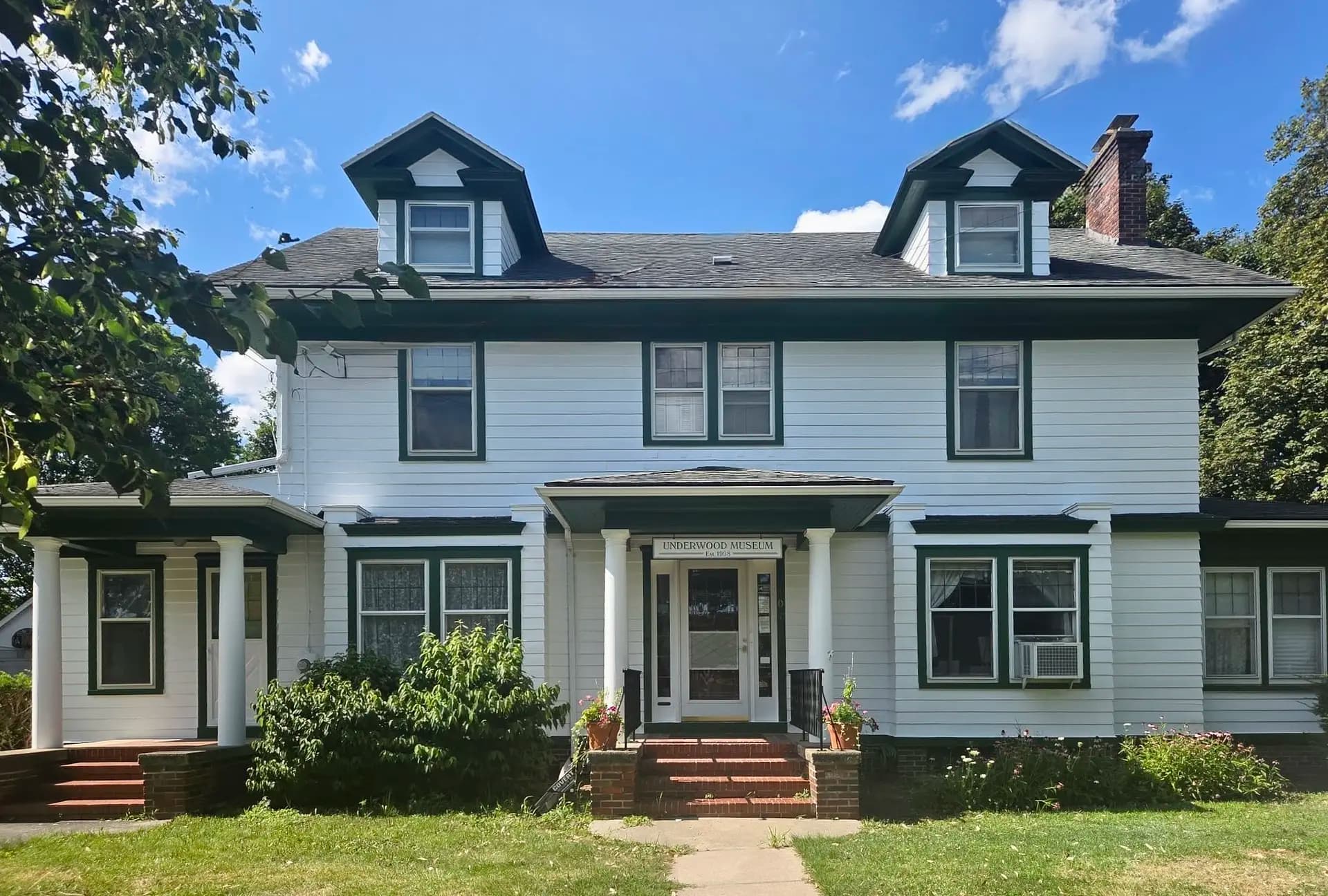
The L. Caroline Underwood Museum
A Penn Yan schoolteacher collected 3,000 objects over a lifetime and left instructions for exactly what to do with them.
L. Caroline Underwood taught fifth and sixth grade in Penn Yan for 47 years, retiring only when the law required it at age 70. She traveled to Europe on the Queen Elizabeth, kept a cottage on Keuka Lake, grew hybrid lilies and irises in her garden on Liberty Street, and spent decades filling her Potter farmhouse with antiques. By the time she died in 1998 at 95, she had accumulated over 3,000 objects and a clear plan for what should happen to them.
The L. Caroline Underwood Museum at 107 Chapel Street holds her permanent collection alongside the Spencer Research Center, the Bullock Imaging Center, and rotating local history exhibits. The second floor interprets Caroline's life directly: 44 objects she specifically chose for public display, surrounded by the rest of what she gathered. Ceramic pigs, travel souvenirs, hand-sewn quilts, antique toys, fine jewelry, and the tokens her students gave her over five decades.
Don't miss: The Scherer Carriage House, behind the L. Caroline Underwood Museum on Chapel Street, holds a permanent exhibit on the Public Universal Friend's life and legacy: a portrait, bible, hat, saddle, and coachee, gathered in the building that was renovated specifically to house them. Born Jemima Wilkinson, the Friend rejected that name after a near-death illness in 1776, adopting a genderless identity as a vessel of God and preaching to growing congregations across the Northeast. The Society of Universal Friends they founded here became the first non-native settlement in what is now Yates County, built the first mills in the region, and by 1790 was the largest community of its kind this far west in New York State. The collection was made possible by Doris Coates Scherer, a benefactor of the Yates County History Center, whose name the building carries.
Explore More Listings

Aurora Brewing Co
Food Drink
A Cayuga Lake brewery and restaurant in King Ferry with a deck overlooking the water, hay fields, and vineyards, plus outposts in Rochester and Syracuse.
Buttonwood Grove Winery
Food Drink
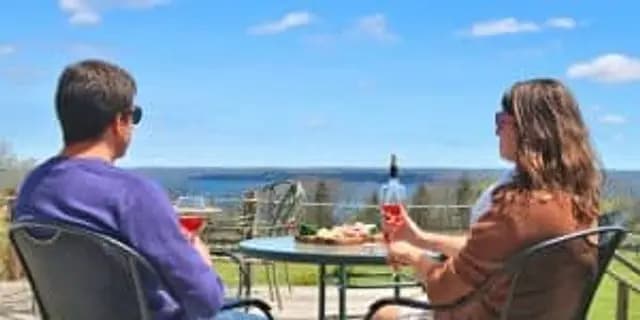
Estate lakeside tasting room with cabins on the property
Cayuga Ridge Estate Winery
Food Drink
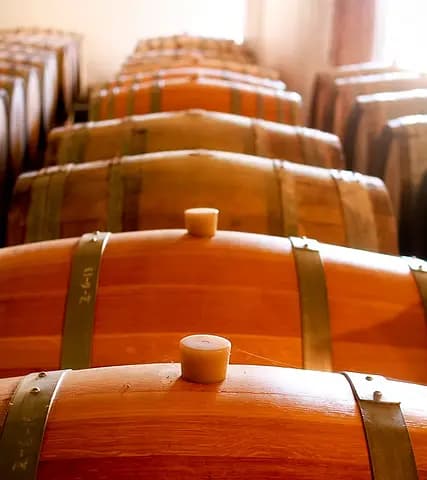
A founding member, a gothic barn, and The Copper Oven pizza
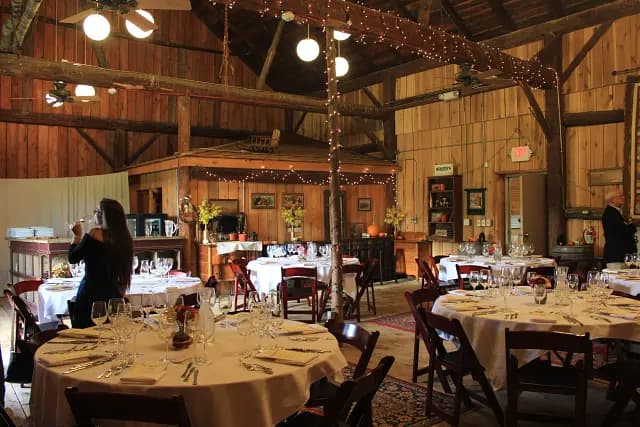
Hosmer Winery
Food Drink
70-acre sustainable estate on the western shore
Lucas Vineyards
Wine
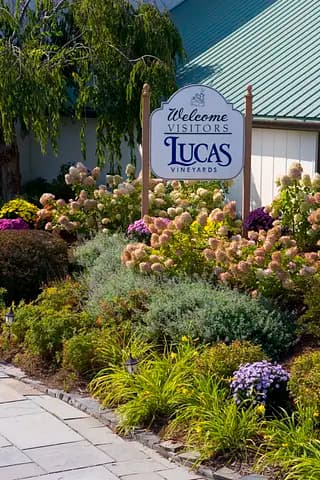
Lucas Vineyards is a winery located in Interlaken, Seneca County, featured on the Cayuga Lake Wine Trail.
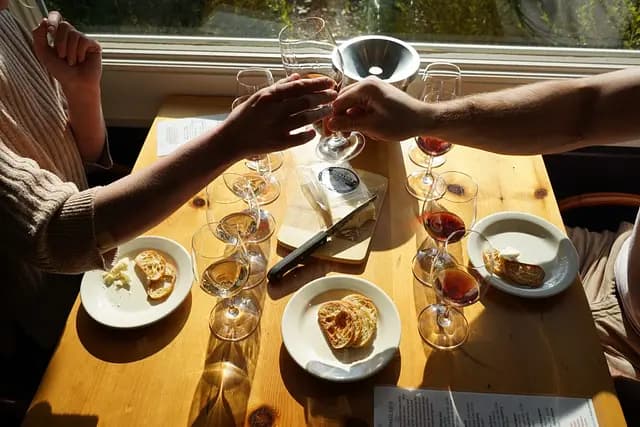
Sheldrake Point Winery
Food Drink
Gold Coast limestone soils, dock parking available
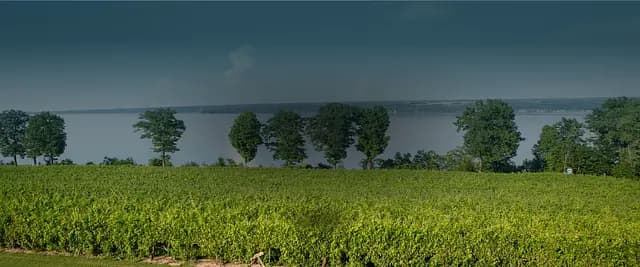
Thirsty Owl Wine Company
Food Drink
Walk-in and boat-accessible, with an on-site bistro
Seneca Shore Wine Cellars
Food Drink
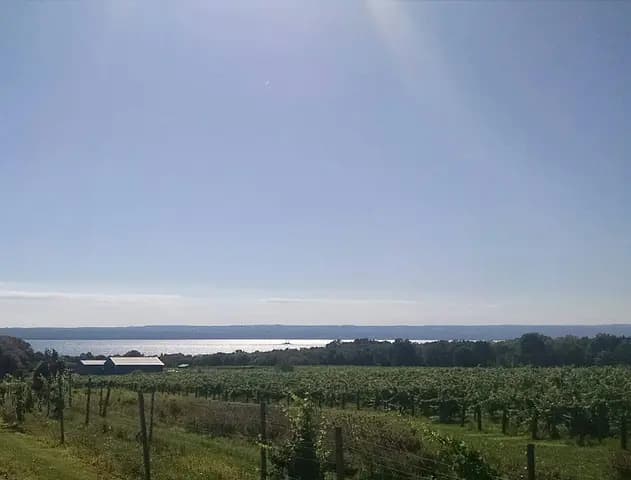
The winery that sold its grapes to other Finger Lakes producers for 19 years before deciding to bottle the Gold Medal Riesling itself.
Anthony Road Wine Company
Food Drink
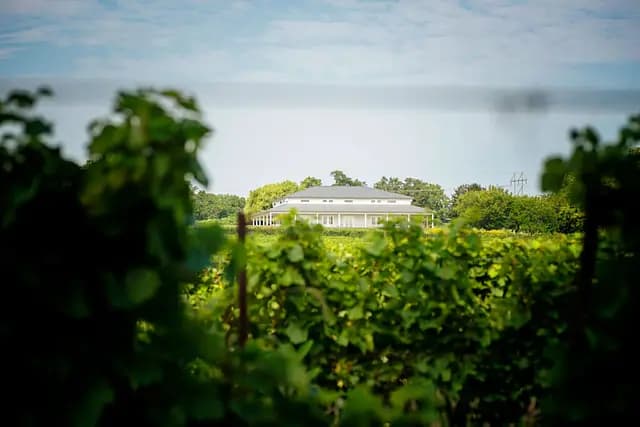
The Martini family's Penn Yan operation since 1989, where the Riesling and Gewurztraminer program is serious enough that reservations are strongly encouraged and group size caps at six.
Miles Wine Cellars
Food Drink
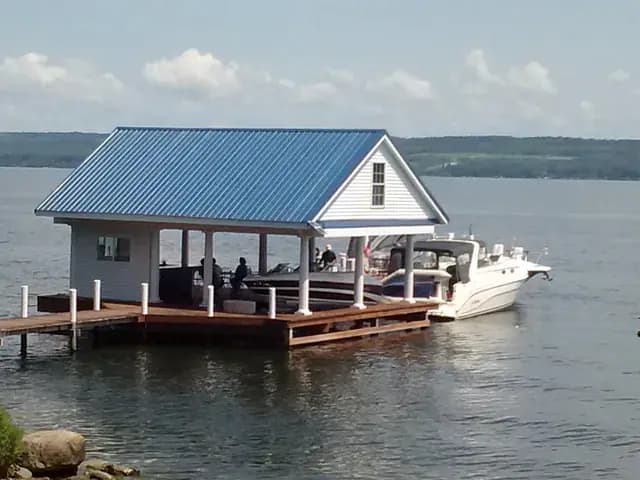
A west-shore winery on a quiet road above Himrod that earns the detour most Route 14 visitors never take.
Glenora Wine Cellars
Food Drink
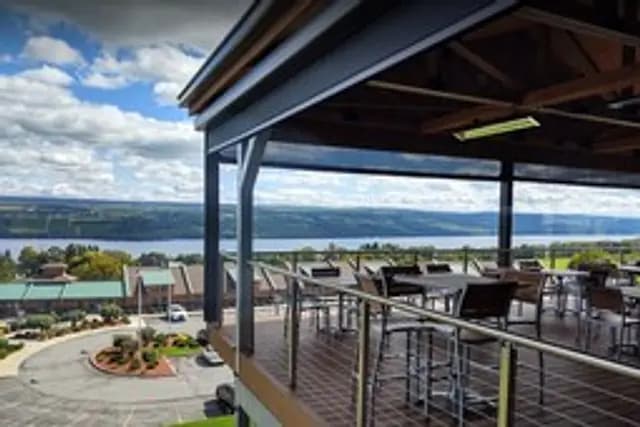
Glenora Wine Cellars offers a picturesque venue for weddings with vineyard views, luxurious accommodations, and exceptional service.
Fulkerson Winery
Food Drink
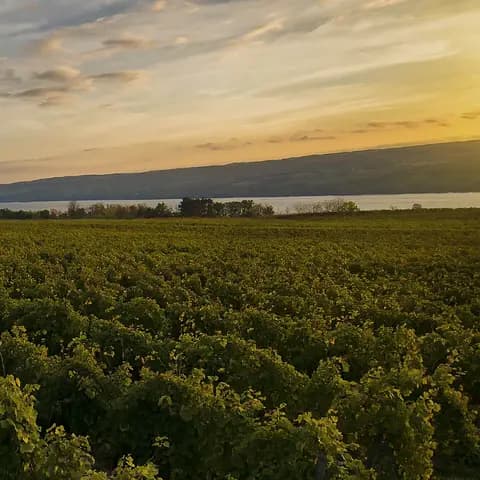
A west shore Seneca Lake farm with roots going back to 1805, where seventh-generation winemaker Sayre Fulkerson also supplies grape juice to home winemakers across the country.
Toast Winery
Food Drink
A dry-vinifera operation on the east shore where the winemaking steps aside and the Seneca Lake AVA does the work.
Lakewood Vineyards
Food Drink
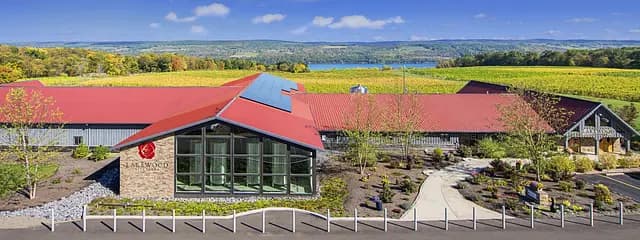
Three generations of Stamps have been farming the west side of Seneca Lake since 1952, opening the winery in 1989 and growing it to 80 acres without leaving the family.