
The dry Riesling on the terrace at Dr. Konstantin Frank Winery comes from vines planted in 1958 on a southwest-facing shale slope above Hammondsport. The sparkling wine in Pleasant Valley's stone production caves has been made continuously since 1860. At Hunt Country in Branchport, ice wine is harvested every January when temperatures drop below 17 degrees Fahrenheit, because that is when the water in the grape freezes before the sugar does. In Penn Yan, Burnt Rose pours from 31 Finger Lakes producers alongside a seasonal menu sourced from the farms you drove past to get there.
Two days, north to south: Penn Yan to Hammondsport along the west arm of Keuka Lake. Day 1 starts Saturday morning at the Windmill Farm and Craft Market, where 175 vendors, many of them Amish and Mennonite farmers from the Yates County community, set up on the same 44-acre cooperative they have run every weekend since 1987. The day works south along the lake through Branchport, ending in Hammondsport for the night. Day 2 stays in the village where Pleasant Valley Wine Company was incorporated in 1860 and where vinifera was proven to grow in the Finger Lakes AVA in 1962.
Day 1: Penn Yan to Hammondsport
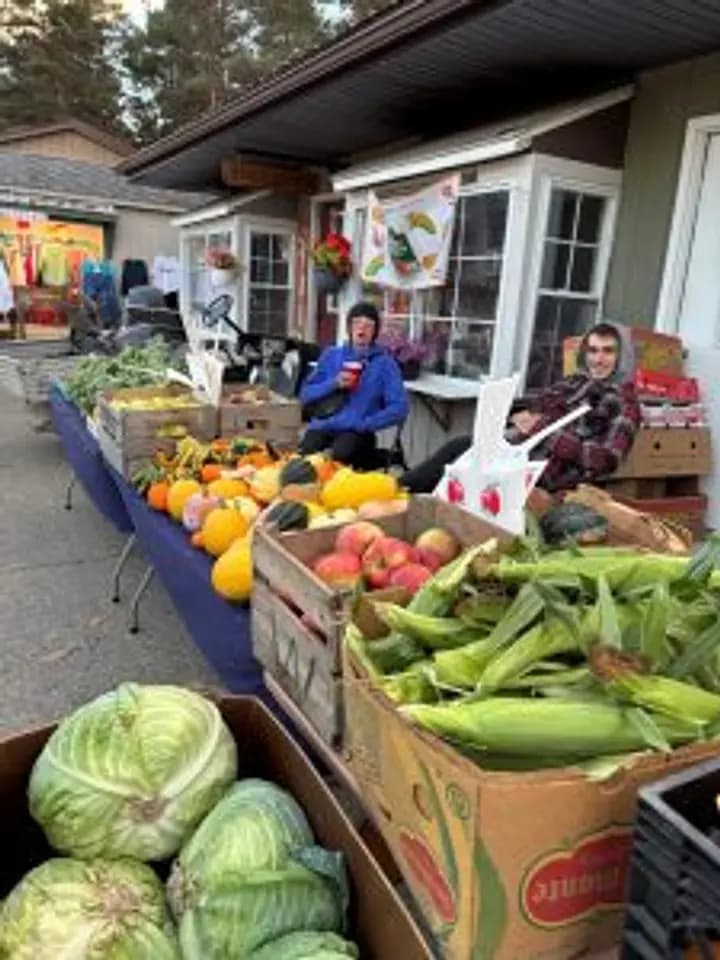
Penn Yan is a town of about 5,000 people at the top of the Keuka Lake Y, where the east and west arms divide and the Keuka Outlet Trail runs seven miles east toward Seneca Lake along the route of an 1833 canal. Saturday morning here means Windmill Farm and Craft Market is open on Route 14A south of town — 175 vendors across 44 acres, most of them from the Amish and Mennonite farming community that has made Yates County one of the largest Mennonite settlements in New York State. A cooperative of about 50 vendors raised the first market barn in a single day in 1987; the same structure is still standing. Spend the morning here before the wineries open.
The day runs south from there. Keuka Spring Vineyards sits eight minutes down East Lake Road on the quieter east arm, a winery that has won three Governor's Cups and two Best White Wine in America awards from a tasting pavilion with an open-air barrel barn. Then the route crosses back through Penn Yan and drops south on the west arm through Branchport: first to Hunt Country Vineyards in Branchport, where the Hunt family has farmed continuously since 1852 and the oldest vines on the property were planted in 1904, then up the hill to Heron Hill Winery above Branchport, where a terrace facing east across the full width of the west arm earned a place on Travel+Leisure's list of the finest winery views in the world. The day ends in Hammondsport, 30 minutes south.
The story running underneath the wine stops is about what the valley's agricultural community actually looks like when it is not optimized for tourism. The Windmill Market is a cooperative with elected board governance. Hunt Country is a certified B Corporation that has farmed the same land for four generations. These are not lifestyle operations. The same land that grows the ice wine grapes at Hunt Country has been under continuous cultivation since before the Finger Lakes AVA existed as a legal designation. The afternoon on the west arm connects that farmwork directly to what ends up in the glass.
3900 Route 14A, Penn Yan, New York, United States, 14527
The Windmill Farm and Craft Market on Route 14A, open Saturdays April through November, was founded in 1987 when a group of Mennonite farmers envisioned a cooperative marketplace. The first building went up by barn-raising.

243 East Lake Road, Penn Yan, New York, US, 14527
Three Governor's Cups and two Best White Wine in America awards from a tasting room overlooking the east arm.

12 Maiden Lane, Penn Yan, New York, US, 14527
Penn Yan's craft brewery, a short walk from the Outlet Trail and the Main Street dining corridor.
4021 Italy Hill Road, Branchport, New York, US, 14418
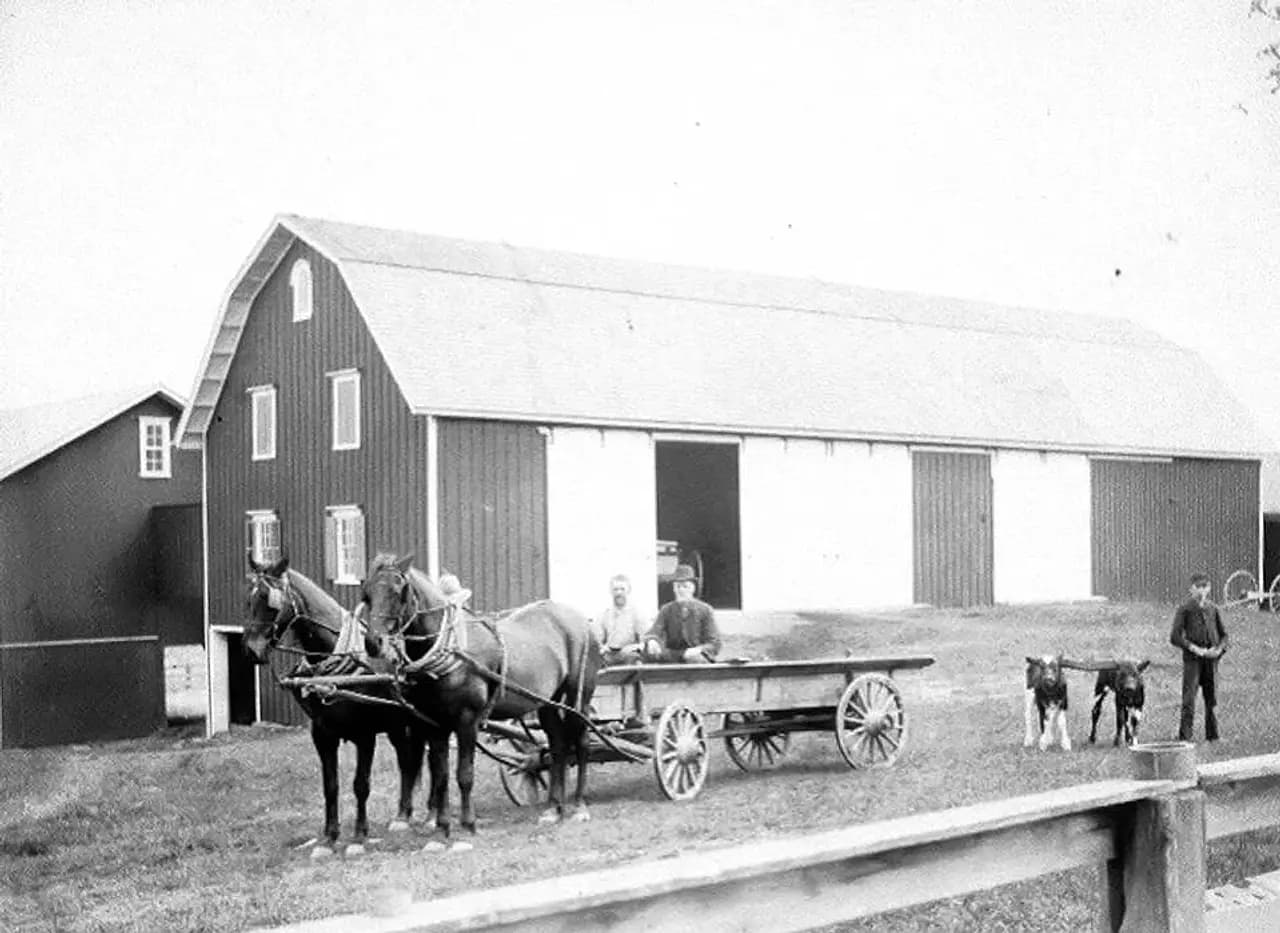
Seven generations on the same Keuka hillside, the oldest continuous ice wine program in the United States.
9301 County Route 76, Hammondsport, New York, US, 14840
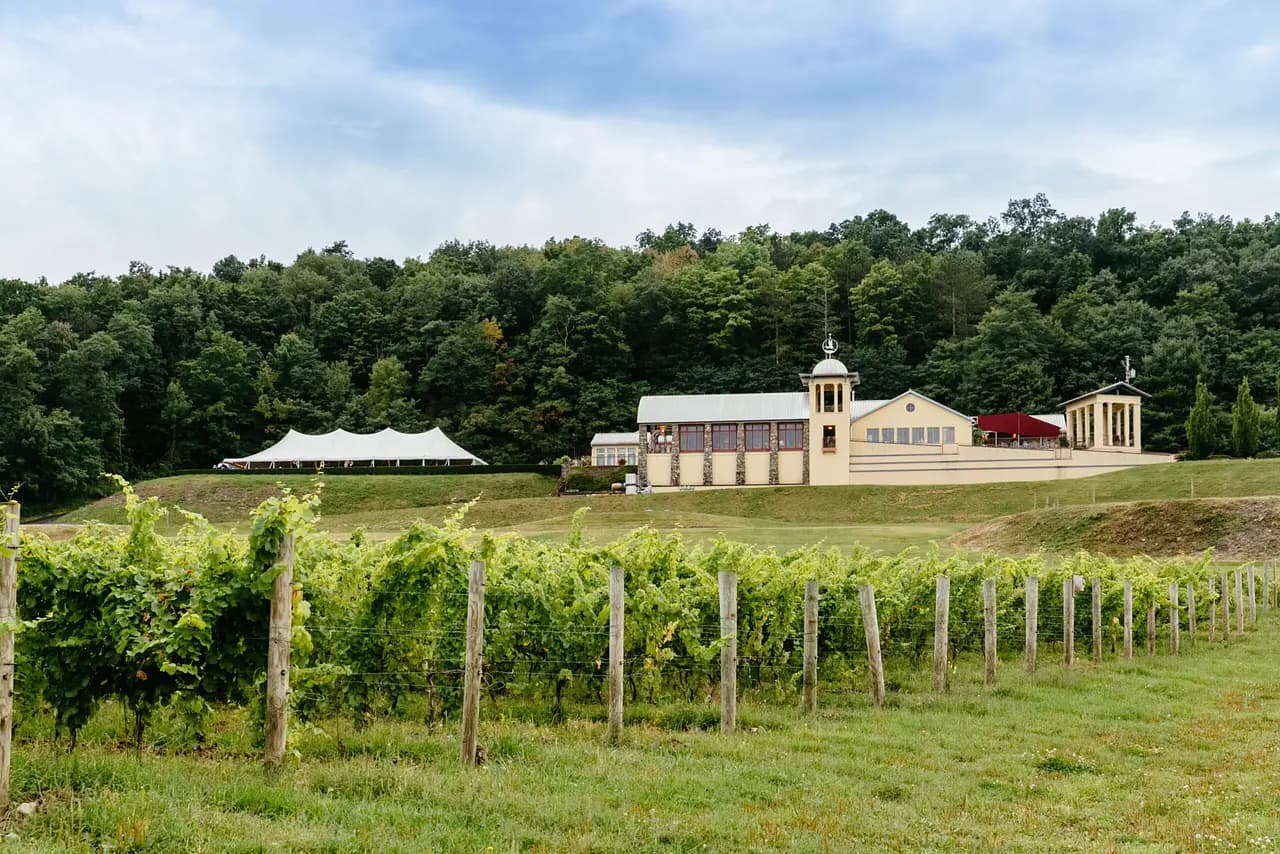
Seven Riesling styles from a west-arm terrace that Travel+Leisure placed among the finest winery views in the world.
70 Shethar Street, Hammondsport, New York, US, 14840
Indoor and outdoor dining in Hammondsport with a menu built around local ingredients and lake views.
Day 2: Hammondsport
Hammondsport has a village square you can walk in five minutes. A post office, a pub on the corner, Shethar Street going one way and Mechanic Street going the other. The lake is two blocks south. The vineyards start on the hills above. The day does not leave the village and its immediate surroundings, all four stops are within a few miles of the square, but covers 160 years of American firsts in a morning and an afternoon.
Charles Davenport Champlin and eleven other local businessmen incorporated Pleasant Valley Wine Company in Pleasant Valley in 1860 with $10,000 and two French-trained winemakers. Seven years later, at the 1867 Paris Exposition, the Great Western Champagne they produced won a gold medal alongside the French wines it had been made to rival. The production caves they cut by hand into the hillside that year are still in continuous use. Glenn Curtiss built motorcycle engines in this village from his twenties, then turned the same engineering instinct toward flight: in July 1908, he flew his June Bug biplane publicly above a farm field outside town and won the Scientific American Trophy for the first publicly witnessed flight of a kilometer or more in North America. Konstantin Frank arrived in the Finger Lakes from Ukraine in the early 1950s, spent years failing to convince American winemakers that vinifera could survive the climate, then planted his own vineyard on this hillside in 1958 with volunteer weekend labor. The wines he released in 1962 proved him right. Walter S. Taylor was expelled from the family wine company his grandfather founded, sued by Coca-Cola for using his own name on his labels, took a grease pencil and drew a goat on every bottle, and operated from the same hillside above Hammondsport for the rest of his life.
Bully Hill Vineyards in Hammondsport and the Glenn H. Curtiss Museum on Route 54 anchor the two ends of the day. The museum is the morning's first stop, the Bully Hill tasting room and gallery the last. Between them, Pleasant Valley in Pleasant Valley and Dr. Konstantin Frank Winery on Middle Road above the lake. None of these four places is more than six miles from the others. Each one is a different answer to the same question: what keeps happening in this particular village?
35 Shethar Street, Hammondsport, New York, US, 14840
1950s diner vibe two blocks from Depot Park, serving breakfast, espresso, and ice cream starting at 8am.
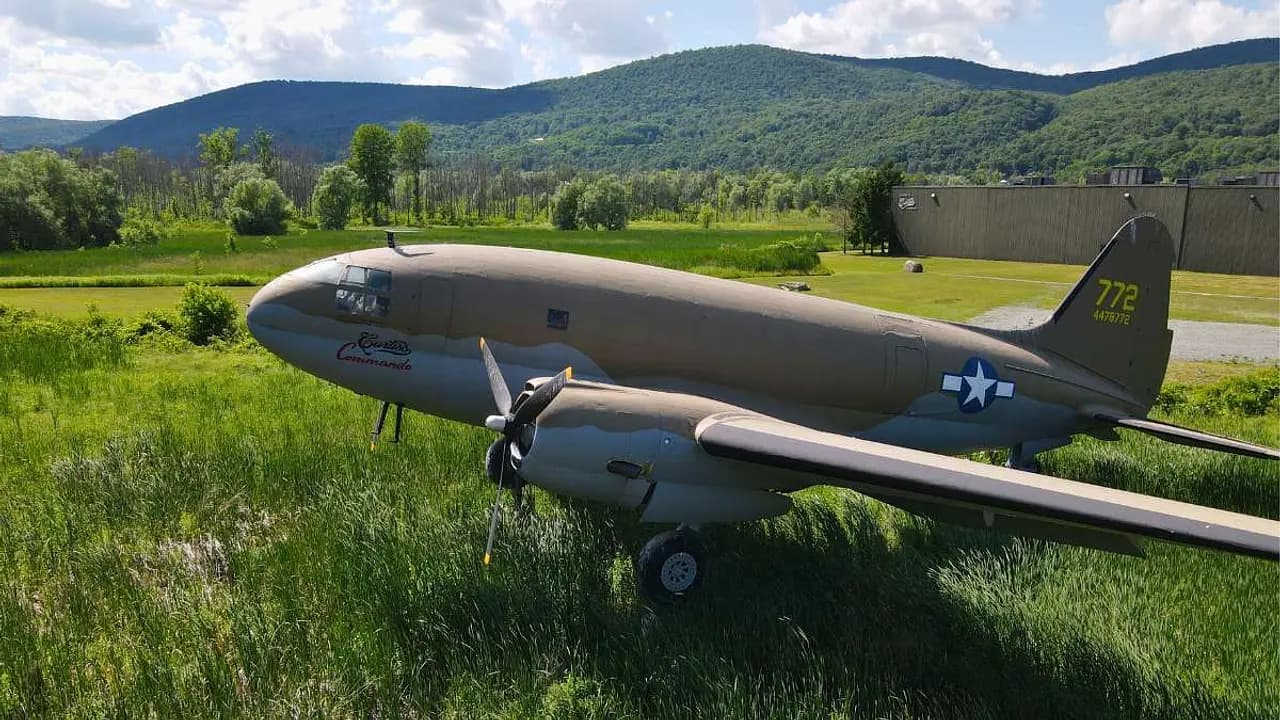
8419 Route 54, Hammondsport, New York, US, 14840
The man who received the first pilot's license in the United States tested his aircraft on this water.
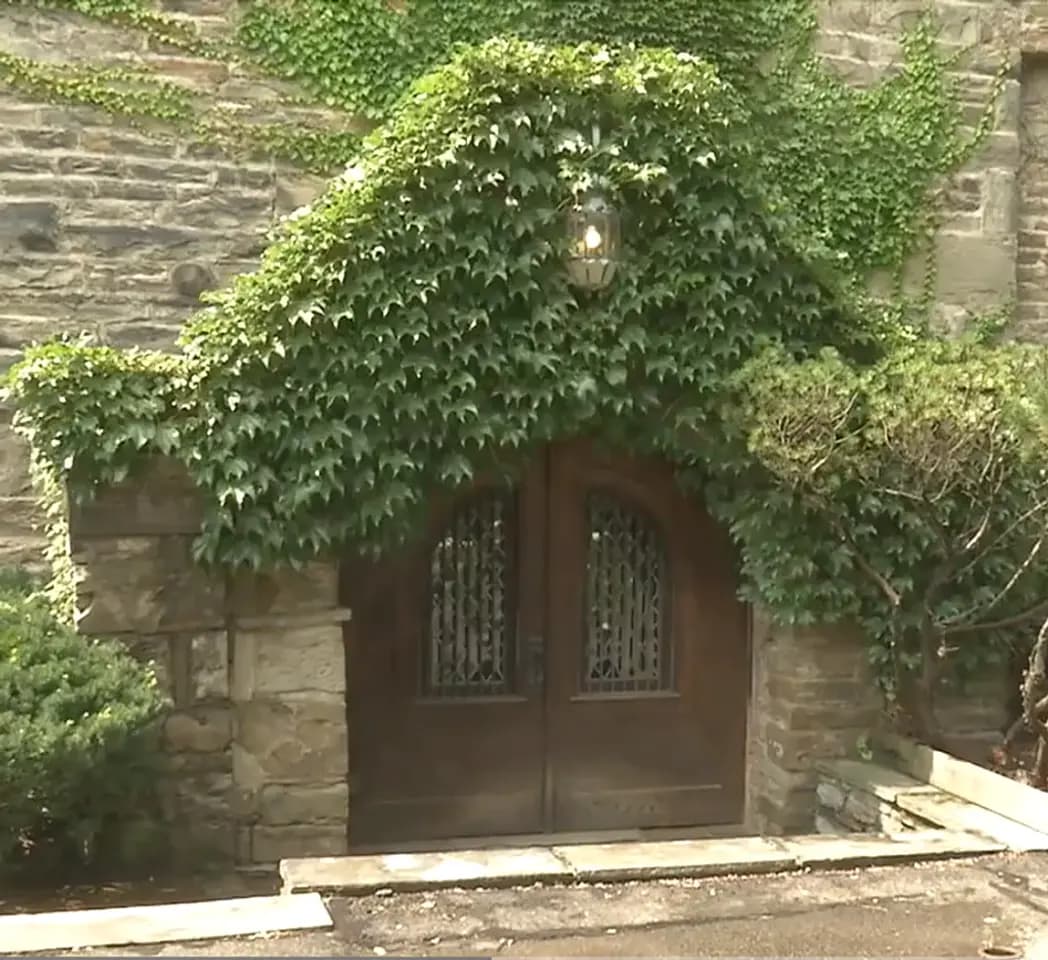
8260 Pleasant Valley Road, Hammondsport, New York, US, 14840
The first bonded winery in the United States, where the cellars were built to look like the Champagne caves of Reims.
30 Mechanic Street, Hammondsport, New York, US, 14840
A New Orleans-inflected kitchen in a century-old Hammondsport barroom, under new ownership since 2023.
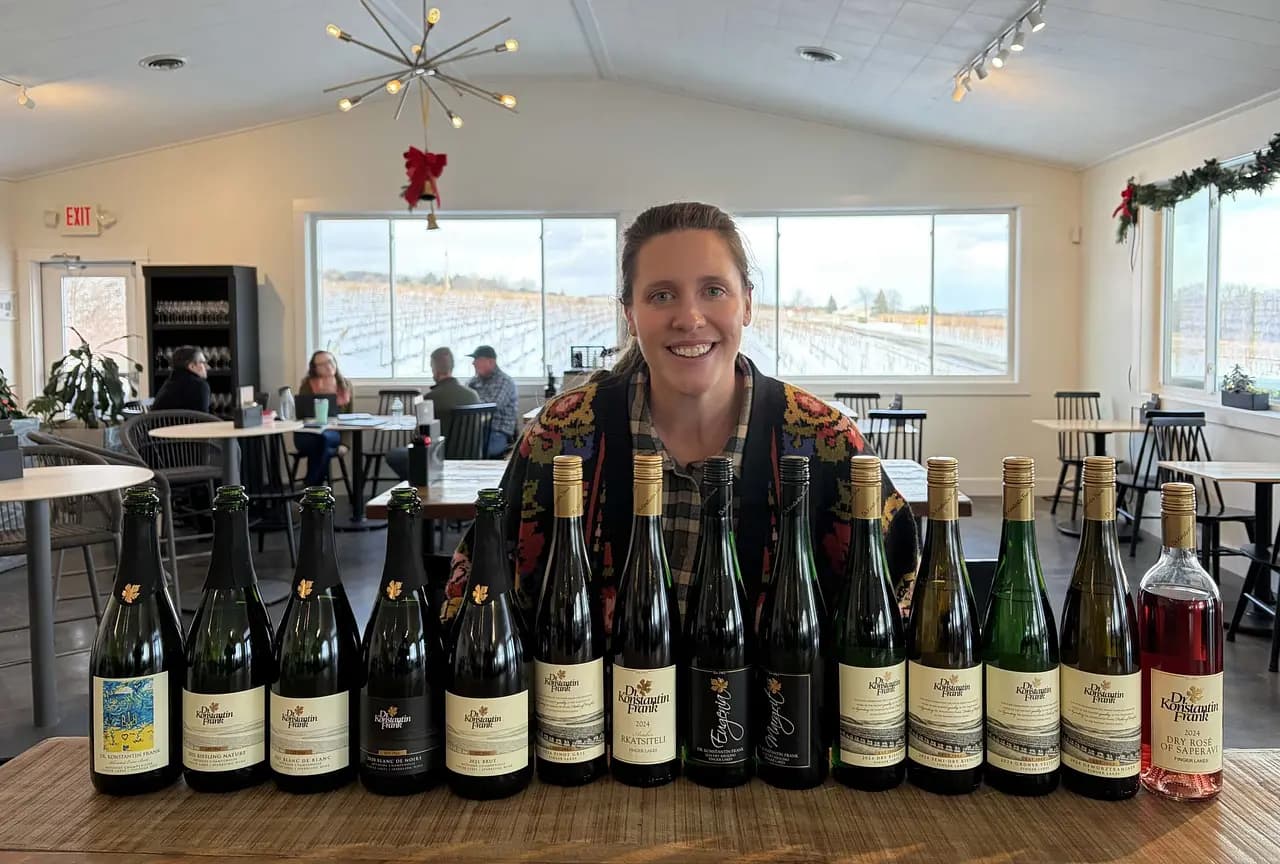
9749 Middle Road, Hammondsport, New York, US, 14840
Where Konstantin Frank planted the first vinifera vines in the eastern United States in 1958, for $6,000.
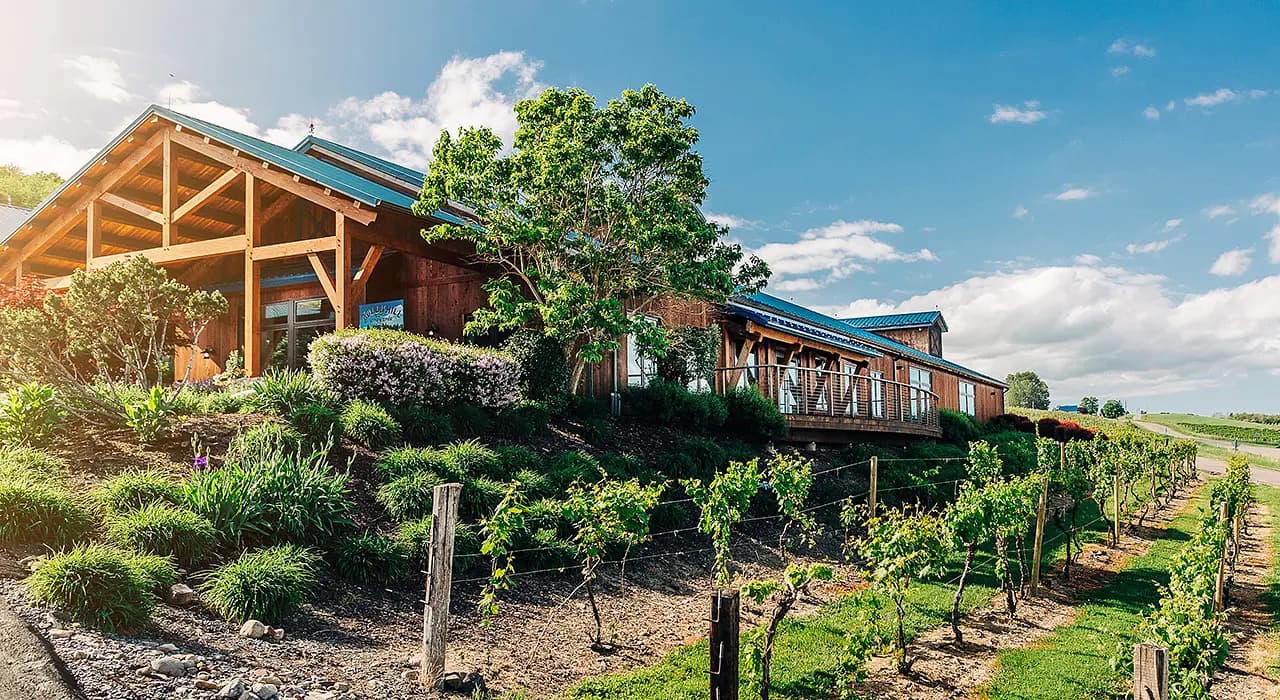
8843 Greyton H. Taylor Memorial Drive, Hammondsport, New York, US, 14840
The winery Walter Taylor started on his grandfather's land after Coca-Cola bought the family name.

37 Shethar Street, Hammondsport, New York, US, 14840
The oldest building in Hammondsport, with an 8-acre organic farm and a 300-bottle Finger Lakes wine list.