Five lakes. Five generations. One region's unbroken fight t to the American promise. In 1687, the French burned the largest Seneca town in the Northeast to the ground. In 1794, the new American republic returned to a table in Canandaigua and signed a treaty with the Haudenosaunee that the US government formally acknowledges as still in force today. In 1788, a genderless religious prophet led 260 followers to the Keuka Outlet and built the first organized non-Indigenous community in western New York. In 1848, five women drafted "all men and women are created equal" on a mahogany parlor table in Waterloo and took it six miles east to argue about it in a chapel. And in Auburn, a few years later, the most consequential conductor on the Underground Railroad came home and bought a house three blocks from where she is now buried.
This route does not tour the Finger Lakes. It follows the ideas, moving west to east across five lakes in the order those ideas arrived: sovereignty first, then settlement, then abolition and suffrage.
How This Trip Works
Three days, five lakes, just over 150 miles of driving. The route runs west to east without backtracking, following the geographic spine of the Finger Lakes in the order the lakes appear on the map: Canandaigua, then Keuka, then Seneca, then Cayuga, then Owasco. Day 1 covers the westernmost lakes and ends in the Keuka corridor. Day 2 moves through the Seneca watershed and ends in Geneva. Day 3 is the longest: Seneca Falls to the Cayuga east shore and into Auburn, where the itinerary closes at Fort Hill Cemetery.
Getting here: From New York City, about 5.5 hours via the New York State Thruway to exit 43 (Victor/Canandaigua). From Rochester, 30 minutes east. From Buffalo, 1 hour. From Syracuse, 45 minutes west. A car is required for the full route.
Best season: May through October for full site access. November 11 is Treaty Day in Canandaigua; if your travel dates are flexible, the annual ceremony adds a living dimension to Day 1 that cannot be replicated at any other time of year.
Day 1
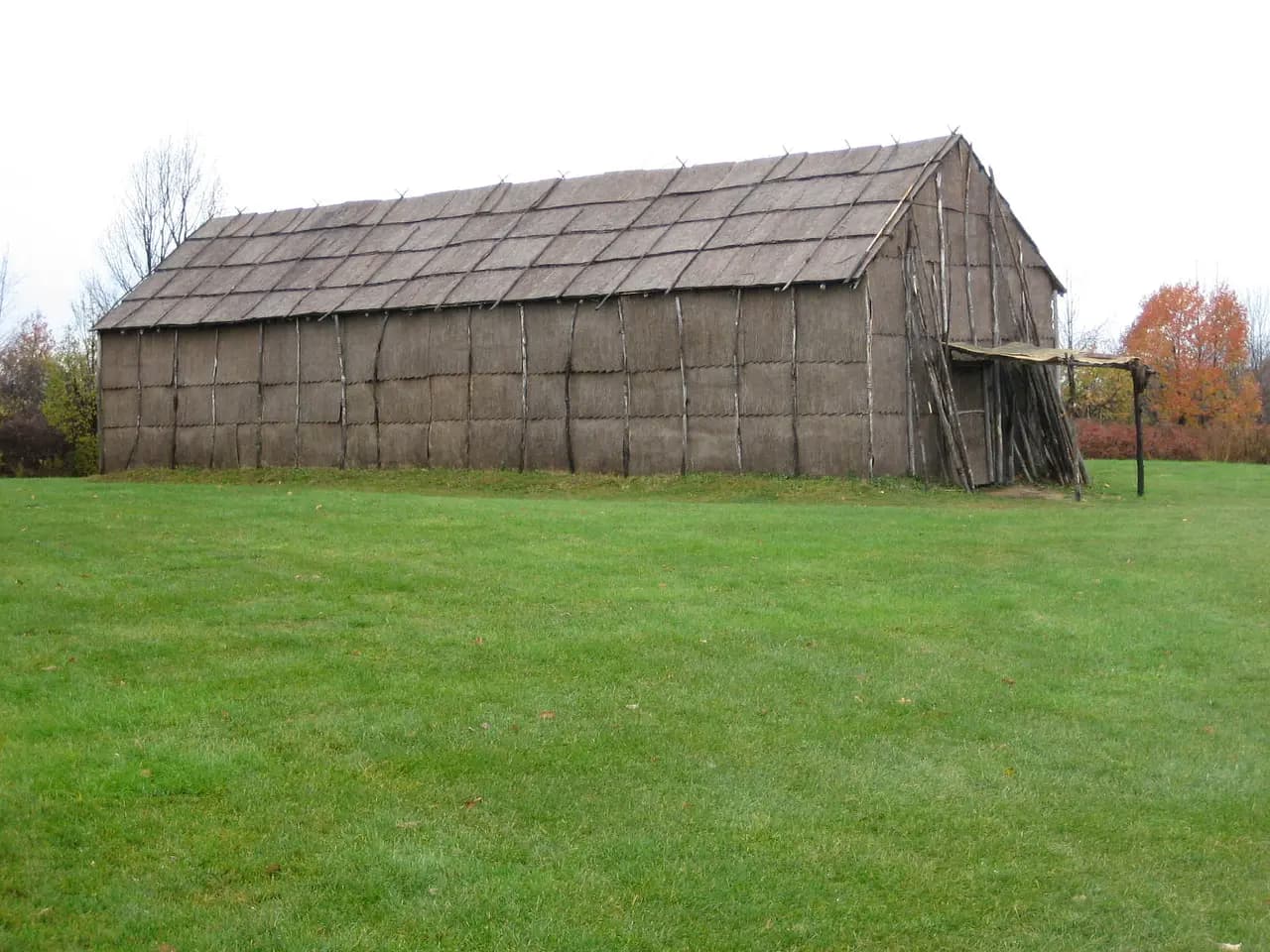
55 N Main St, Canandaigua, NY, US, 14424
Free regional history museum and research library on North Main Street, holding the original 1794 Canandaigua Treaty document for public viewing on November 11
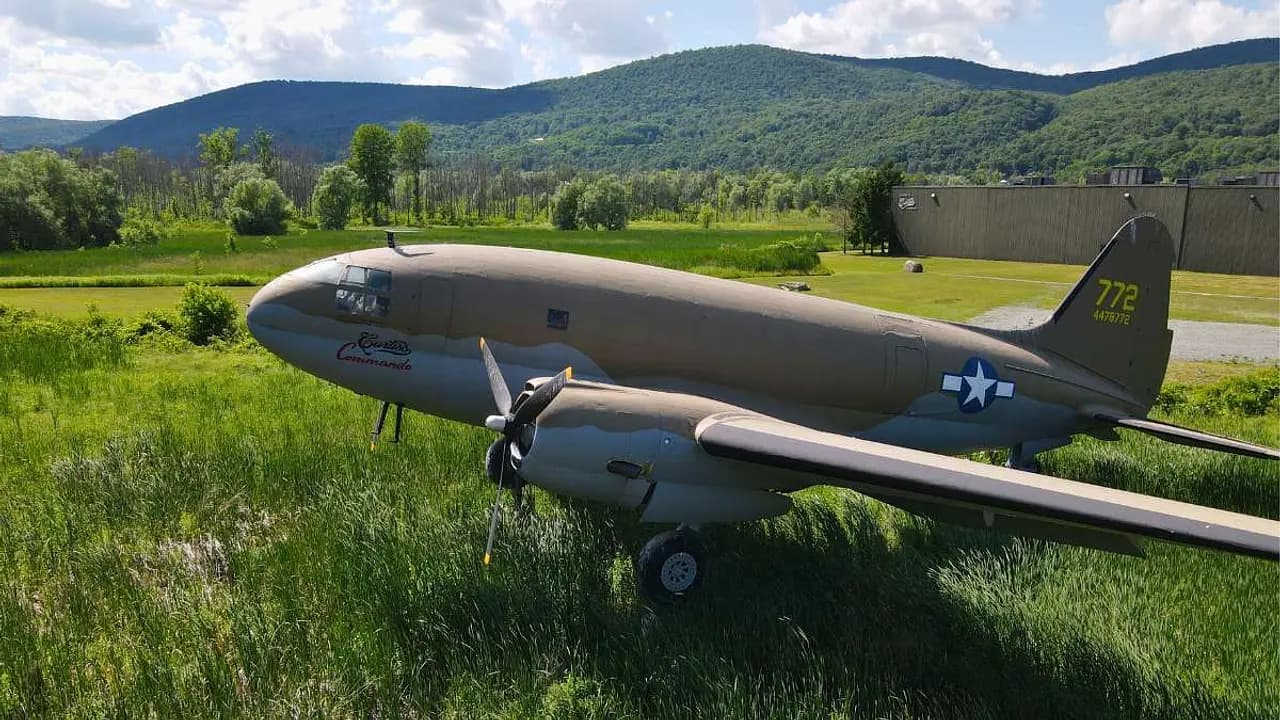
8419 Route 54, Hammondsport, New York, US, 14840
The man who received the first pilot's license in the United States tested his aircraft on this water.
Day 2
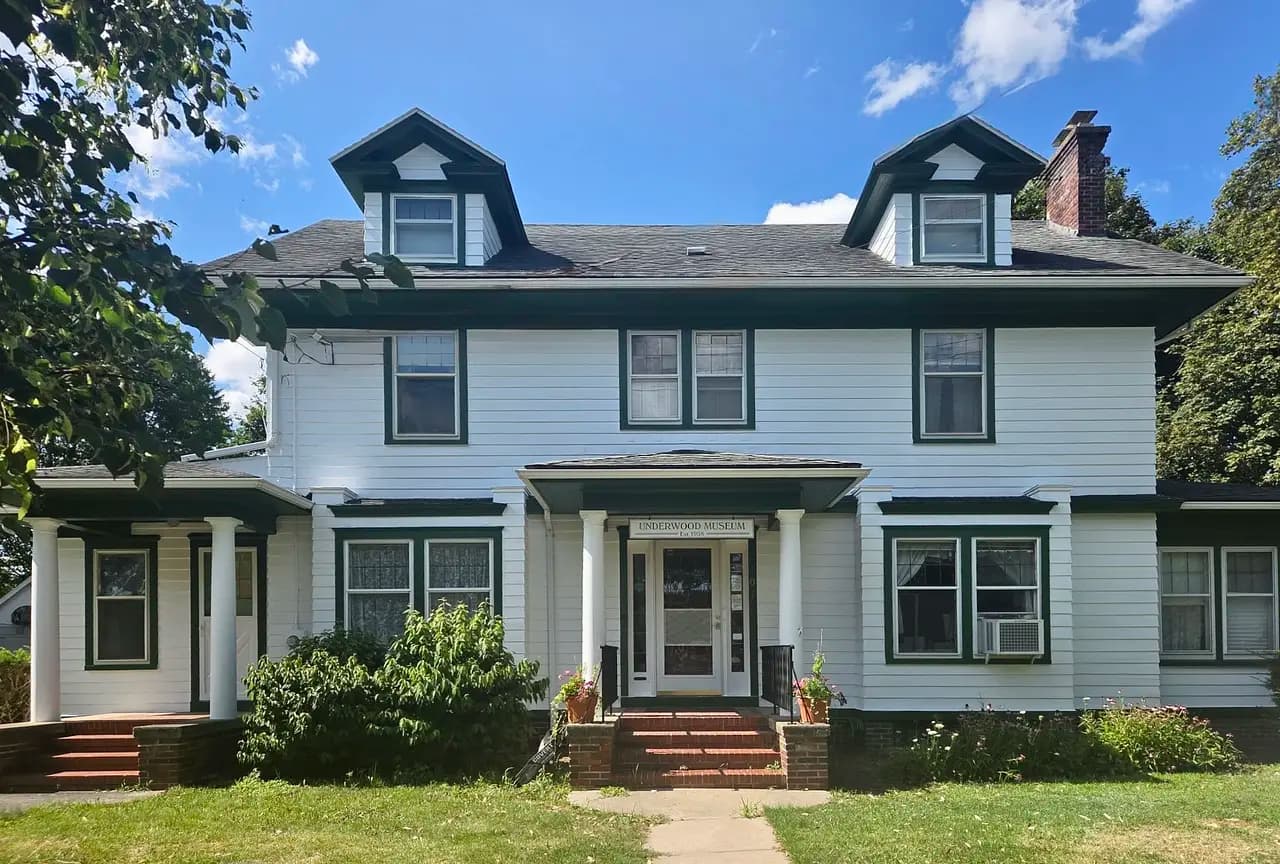
107 Chapel Street, Penn Yan, New York, United States, 14527
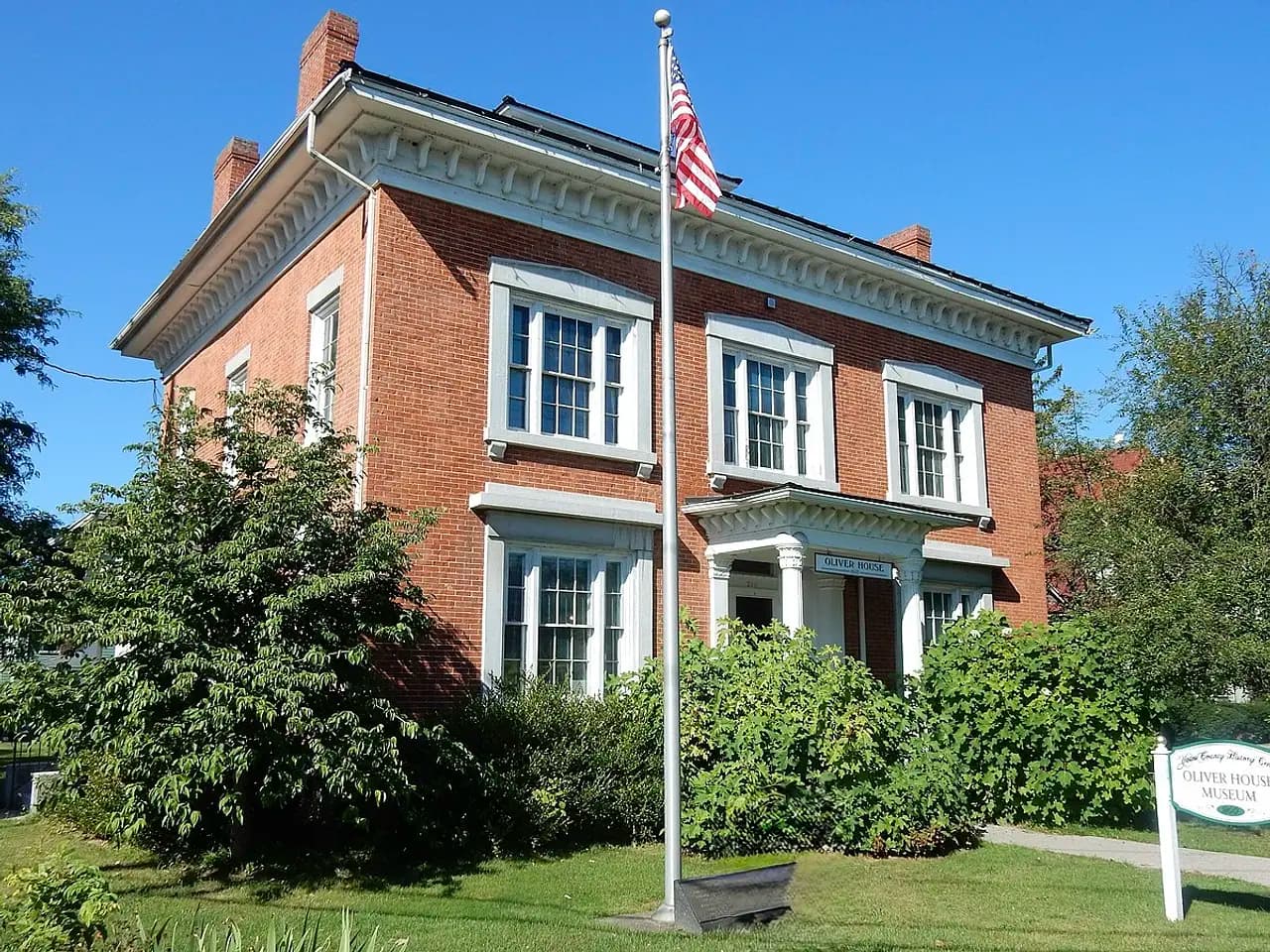
200 Main St, Penn Yan, New York, United States, 14527
The 18-room house three Oliver siblings shared for a lifetime, willed to Penn Yan when the last one died.
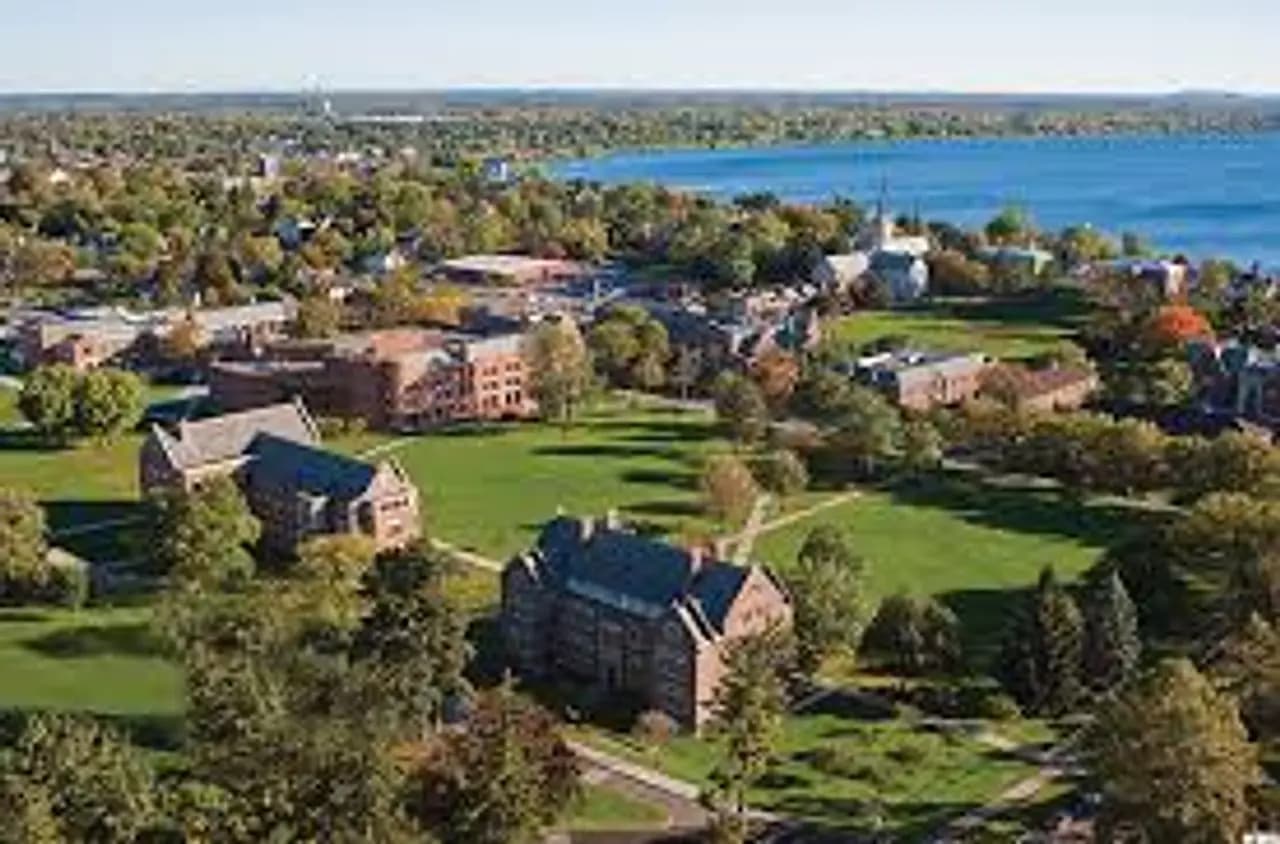
337 Pulteney Street, Geneva, New York, United States, 14456
Elizabeth Blackwell applied to 29 American medical schools before Geneva Medical College admitted her in 1847. She graduated two years later at the head of her class, the first woman to receive a medical degree in the United States. The college that admitted her became Hobart and William Smith Colleges, whose lakefront campus at the north end of Seneca Lake is open to visitors year-round.
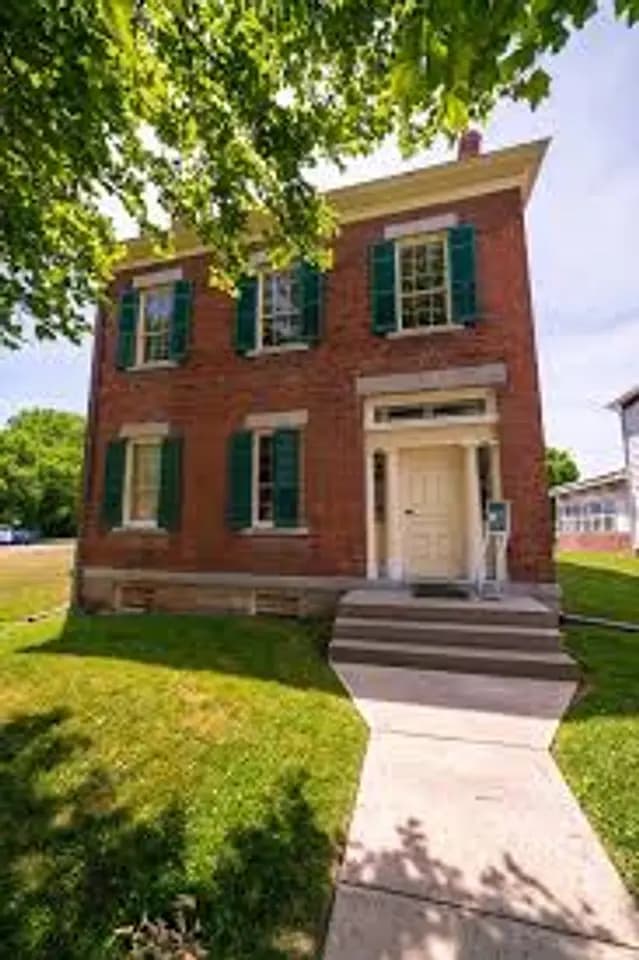
16 East Williams Street, Waterloo, New York, United States, 13165
Day 3
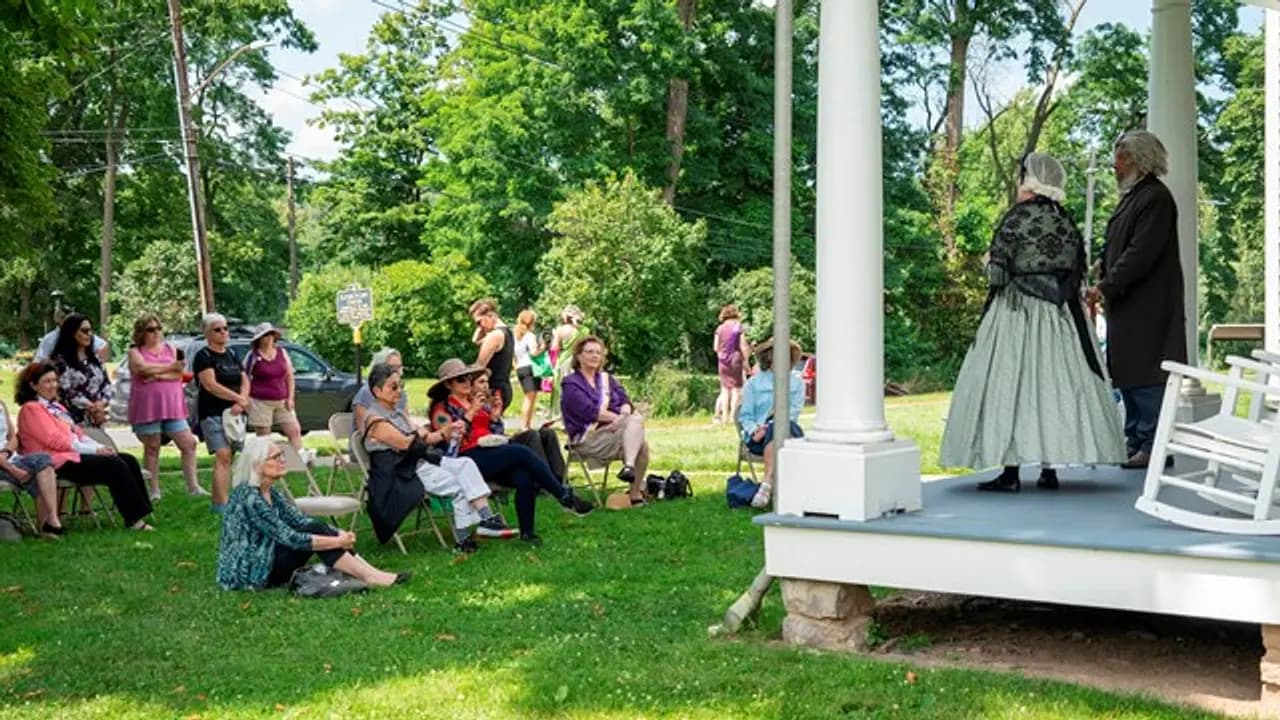
136 Fall Street, Seneca Falls, New York, US, 13148
Where 300 people rewrote the rules in two days
2956 NY-34B, Aurora, New York, US, 13026
Quaker abolitionists, cobblestone walls, 1837
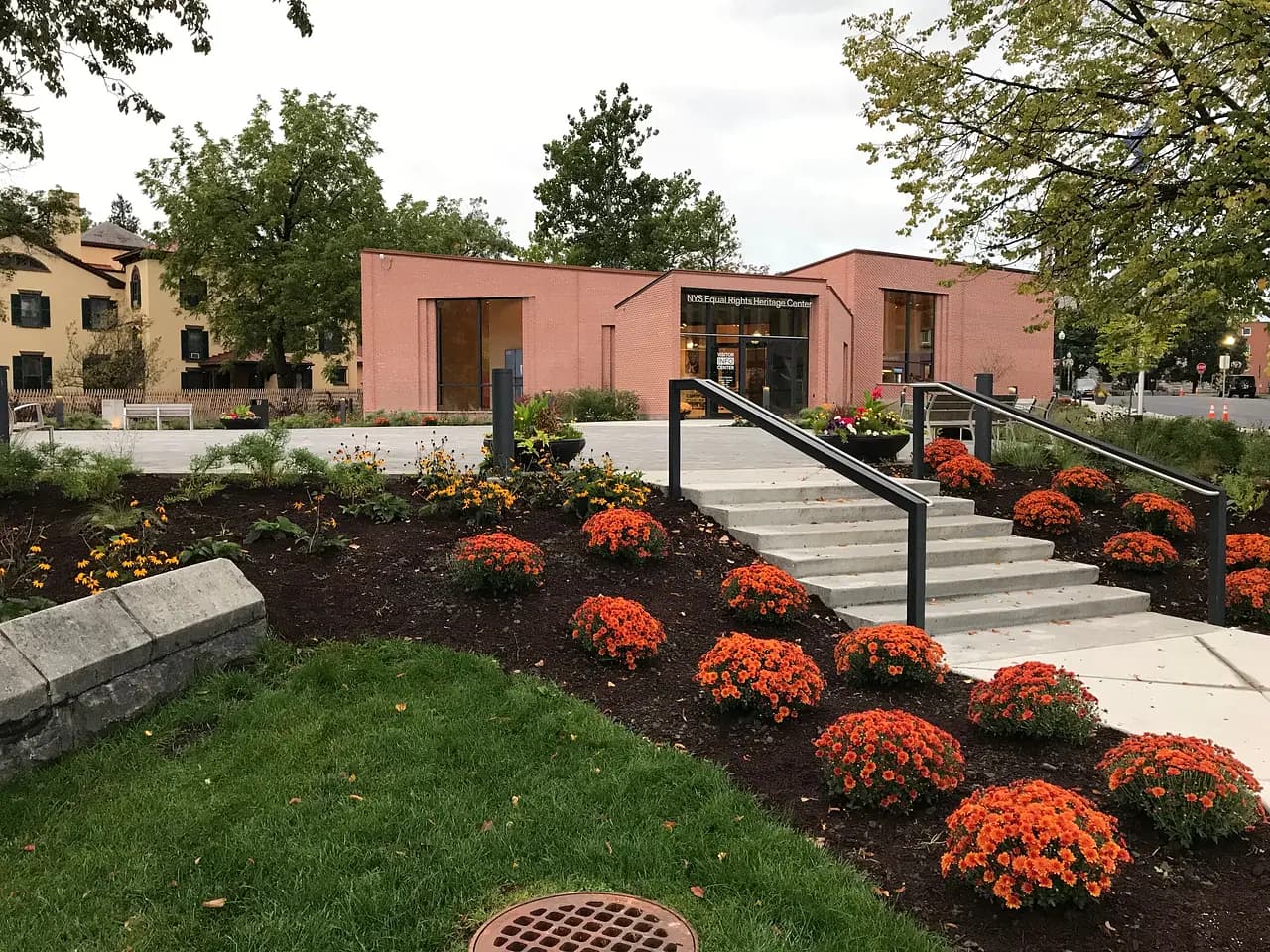
25 South St, Auburn, NY, US, 13021
State-run interpretive center and visitor center with bronze Tubman statue
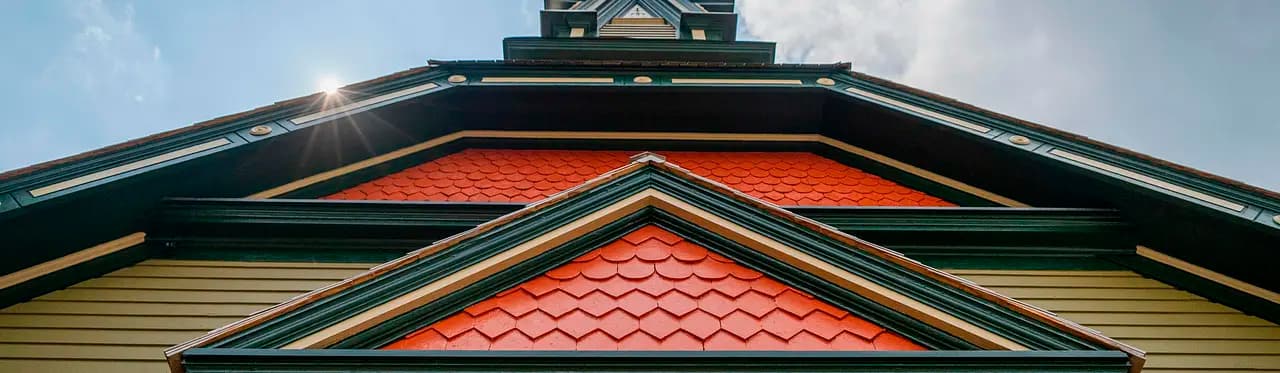
180 South Street, Auburn, New York, US, 13021
Where freedom found an address
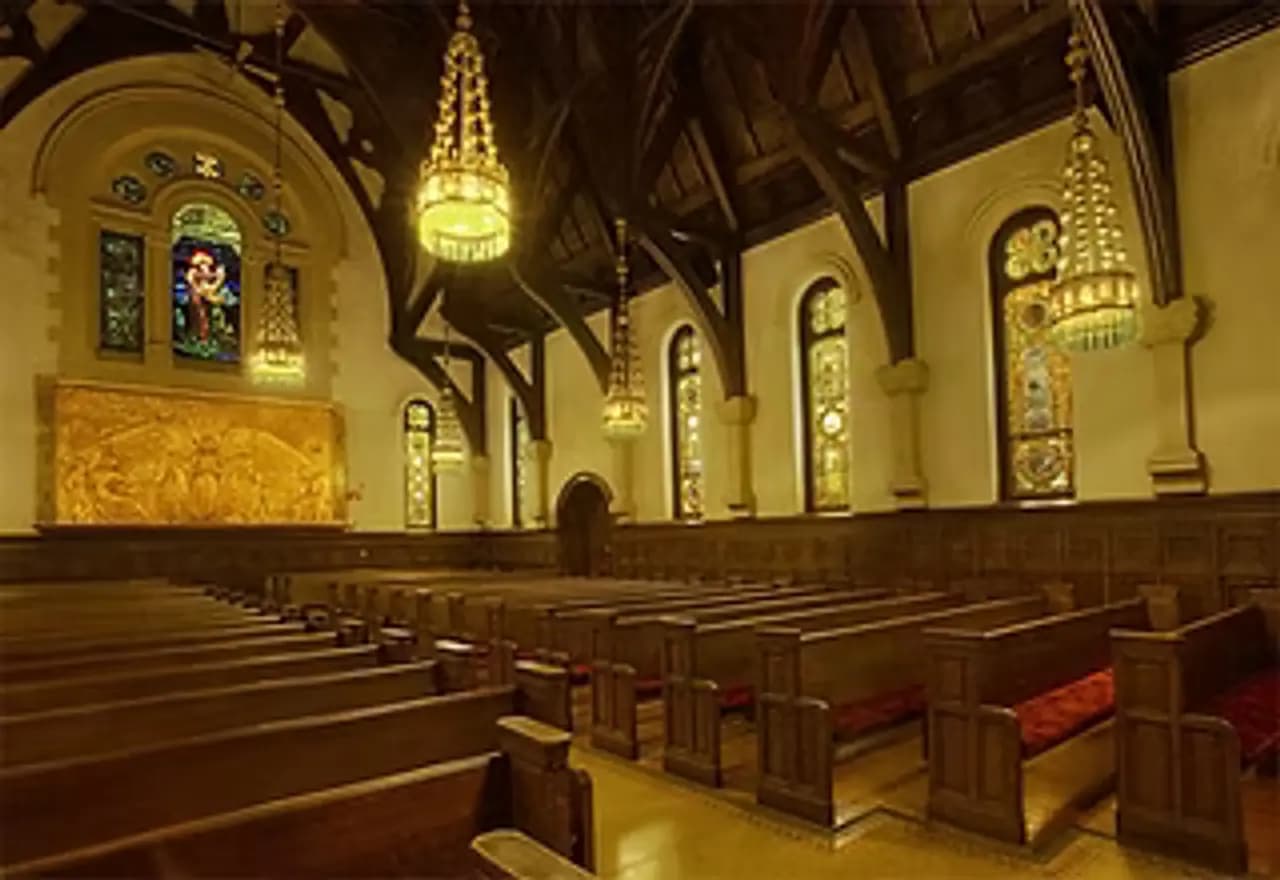
17 Nelson St, Auburn, NY, US, 13021
The only complete and unaltered religious interior designed by Tiffany & Co.
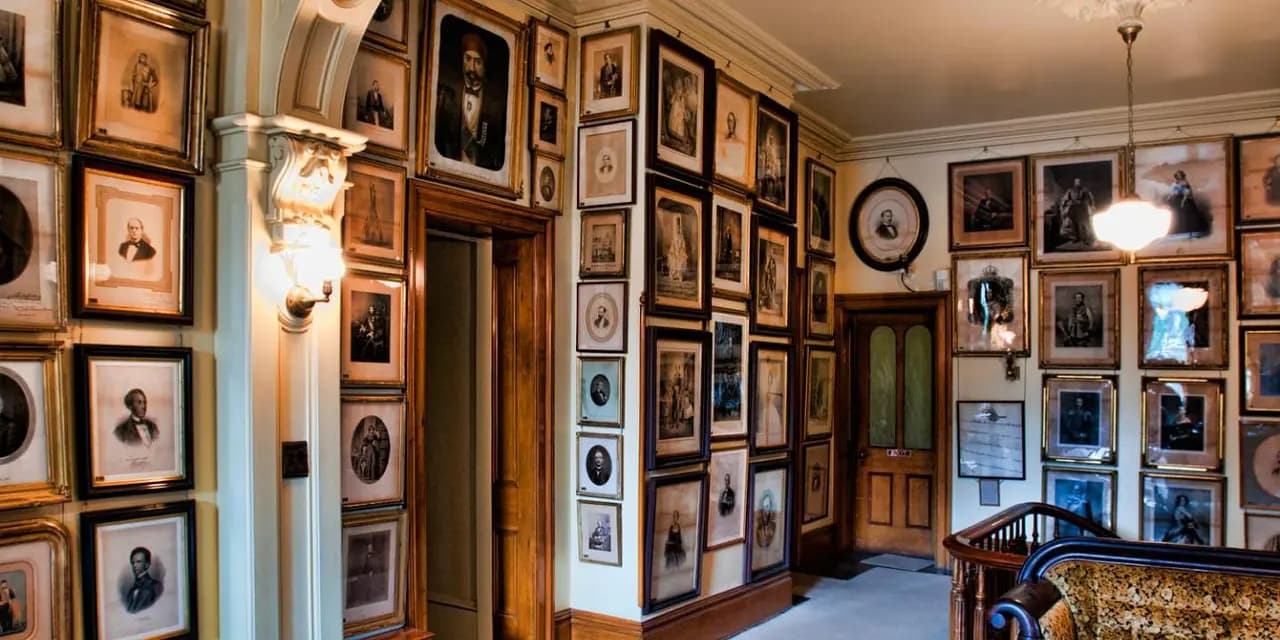
33 South St, Auburn, NY, US, 13021
Home of William H. Seward with the Forged in Freedom Tubman-Seward exhibit
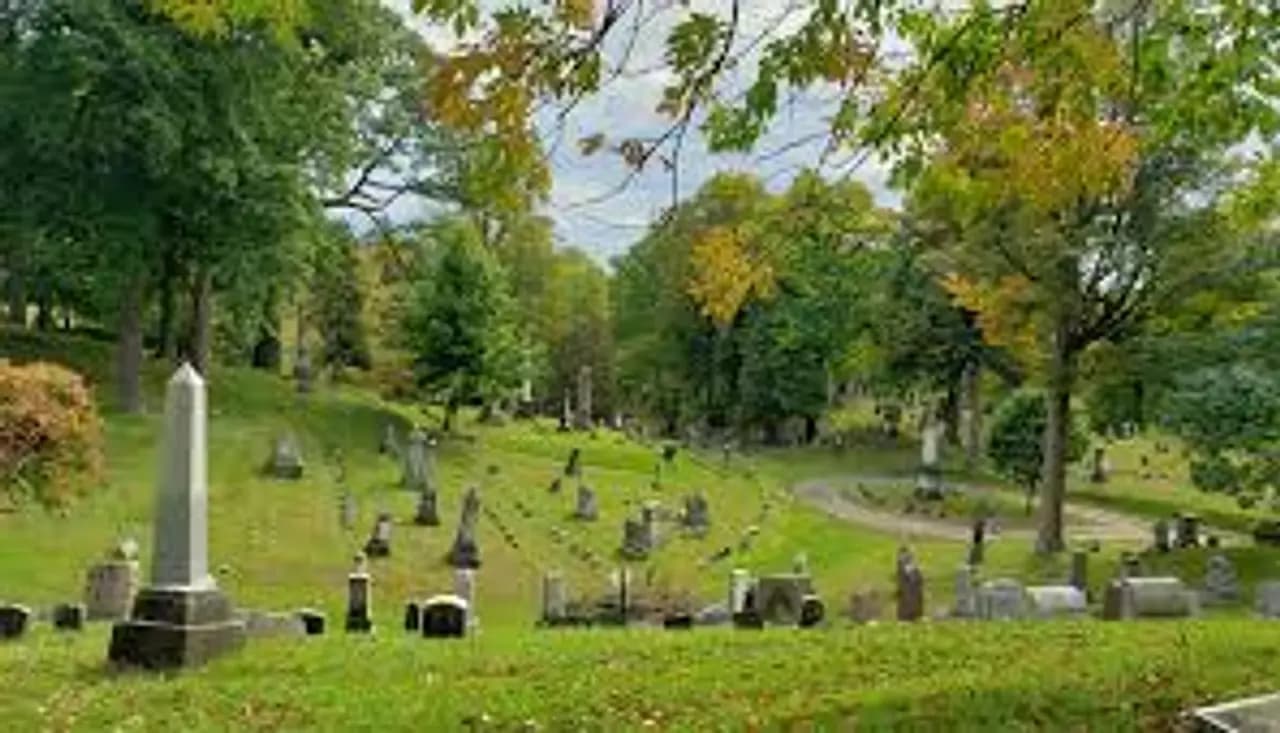
19 Fort St Cemetery, Auburn, NY, US, 13021
Historic cemetery with Tubman, Seward, Case, and Holland burials